

The Star Wars universe has been continuously expanding over the past two decades, introducing new stories, characters, and layers of complexity to the saga. From TV shows and video games to novels and comics, and even Disney's own sequel trilogy, the galaxy far, far away has seen a wealth of new content.
However, few events in this ever-evolving narrative have resonated with fans as deeply as Order 66—the devastating purge that nearly eradicated the Jedi Order.

The Untold Secrets of Order 66: How Jedi Survivors Defied the Odds
Order 66, as depicted in Star Wars: Episode III–Revenge of the Sith (2005), was meant to mark the downfall of the Jedi; fans have since been introduced to a number of survivors, challenging the idea that the Jedi were truly wiped out. Now, with the help of new lore, Star Wars has shed more light on how so many managed to escape the mass execution.
Order 66, which saw the Jedi—the protectors of the Republic—betrayed and killed by their own clone trooper allies, was masterminded by Emperor Palpatine, also known as Darth Sidious, played by Ian McDiarmid. This fateful order was carried out during the waning days of the Clone Wars when Palpatine revealed his true identity as the dark Sith Lord and seduced Anakin Skywalker (Hayden Christensen) to the dark side. Hello, Darth Vader.

The execution of the order was one of the darkest moments in Revenge of the Sith, showcasing the tragic deaths of several beloved Jedi, including Plo Koon and Ki-Adi Mundi.
Of course, not all was lost. Fans already knew from the original trilogy that iconic Jedi like Obi-Wan Kenobi (Ewan McGregor) and Yoda would survive the purge, as they played crucial roles in training Luke Skywalker (Mark Hamill). But as Star Wars continued to expand its universe, more Jedi survivors began to surface.

One of the biggest reveals was Kanan Jarrus (Freddie Prinze Jr.), formerly known as Caleb Dume, a Jedi introduced in Star Wars Rebels. His survival story was later expanded in The Bad Batch, where the first episode detailed his narrow escape from the clone troopers. Another fan-favorite Jedi, Ahsoka Tano (Ashley Eckstein), who was Anakin Skywalker's former Padawan, also survived Order 66. Ahsoka's story, which began in The Clone Wars, continued in Rebels, where she emerged under the alias Fulcrum.
Yet, the tales of survival did not end there. The video game “Star Wars Jedi: Fallen Order” introduced Cal Kestis, a former Jedi Padawan who managed to evade the purge. The game's sequel, “Star Wars Jedi: Survivor,” further explored his journey. Even lesser-known characters like Jedi archivist Jocasta Nu, who had a brief appearance in Star Wars: Episode II – Attack of the Clones (2002), were revealed to have survived in the “Darth Vader” comic series.
Perhaps the most intriguing twist to the Order 66 narrative is the rise of the Inquisitors. These former Jedi turned dark side agents of the Empire, were tasked with hunting down any remaining Jedi survivors. Under the leadership of Darth Vader, the Inquisitors became a formidable force in the galaxy, proving that survival was not always a matter of escaping but sometimes a matter of bending to the will of the dark side.
Among all the survivors, though, one character has captured the hearts of fans like no other—Grogu, affectionately known as “Baby Yoda.” First introduced in The Mandalorian on Disney+, Grogu's mysterious past became a focal point of the series.
In the second season, it was revealed that Grogu had also escaped the horrors of the Jedi Temple, thanks to the intervention of Jedi survivor Kelleran Beq, played by none other than Star Wars veteran Ahmed Best, who previously portrayed Jar Jar Binks. This heartwarming revelation added even more depth to the beloved character’s backstory

The animated series The Bad Batch by Dave Filoni also delved into Order 66 and its aftermath, particularly focusing on the inhibitor chips implanted in the clone troopers. These chips were what allowed Palpatine to control the clones and force them to execute the order. However, the show revealed that not all clones were equally affected.
The elite unit known as Clone Force 99, or “The Bad Batch,” had genetic mutations that made them more resistant to the chip's influence. This allowed them to act independently and even question their orders.
After nearly 20 years, further details about how so many Jedi survived Order 66 were shared in “Star Wars: The Secrets of the Clone Troopers” (2024), a new book by Marc Sumerak, a frequent contributor to the Star Wars lore.
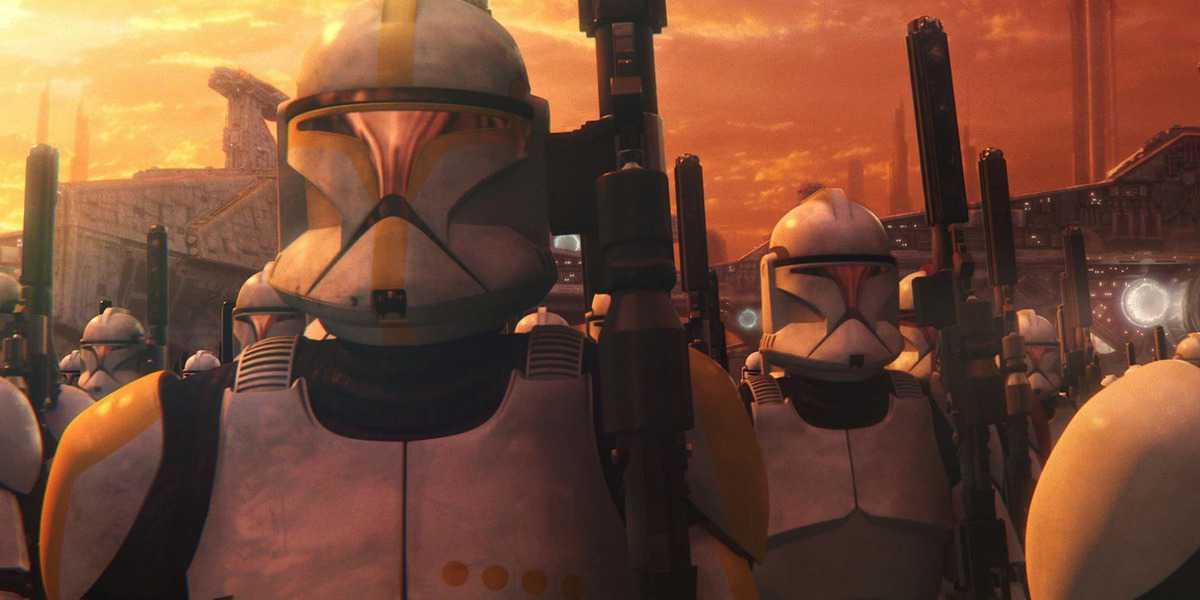
Written from the perspective of fan-favorite character Captain Rex, the book explains that not all clones succumbed to the control of their inhibitor chips. “Some, like my friends in Clone Force 99, were less susceptible to the chip’s influence due to their genetic augmentations. Others were simply strong enough to resist, at least until their Jedi general could escape,” the book reveals. Rex himself was one of the few clones who managed to resist long enough to help his friend Ahsoka Tano survive.
As noted by Screen Rant, although Rex ultimately failed to fully resist the chip’s influence, his brief struggle gave Ahsoka enough time to realize something was amiss. She then worked to remove the chip, allowing Rex to regain control of his actions. This brief window of resistance was all the powerful Jedi needed to escape.

These new revelations in the Star Wars canon demonstrate that Order 66 was not as absolute as it once seemed. While many Jedi perished, the galaxy's defenders proved resilient, and through sheer willpower, luck, or the aid of their allies, they managed to survive the purge.
Ultimately, the ever-expanding universe of Star Wars continues to deepen its mythos, with new stories, characters, and explanations adding layers to the iconic franchise. The tale of Order 66 is one such example, showing that even in the darkest of times, hope can still survive.
As more information emerges, one thing remains clear: the legacy of the Jedi endures.
How do you feel about this explanation for Order 66? Let us know in the comments!