
The future of getting to Disney World just took another step, and this time, Tesla is the one taking it.
Tesla has launched its Robotaxi service in Orlando, putting fully autonomous ride-hailing vehicles on Central Florida roads for the first time. No driver. No human intervention. Just a Tesla Model Y, a camera-based AI system called Tesla Vision, and a destination. The service is available through the Tesla Robotaxi app.
Orlando now joins Austin, Dallas, Houston, and Miami as cities where Tesla has entered the driverless ride market. Tesla also launched in Tampa today, where coverage has not yet reached Busch Gardens.
The catch, and there is always a catch, is that the theme parks are not in the coverage zone yet.
Not There. But Moving That Way.
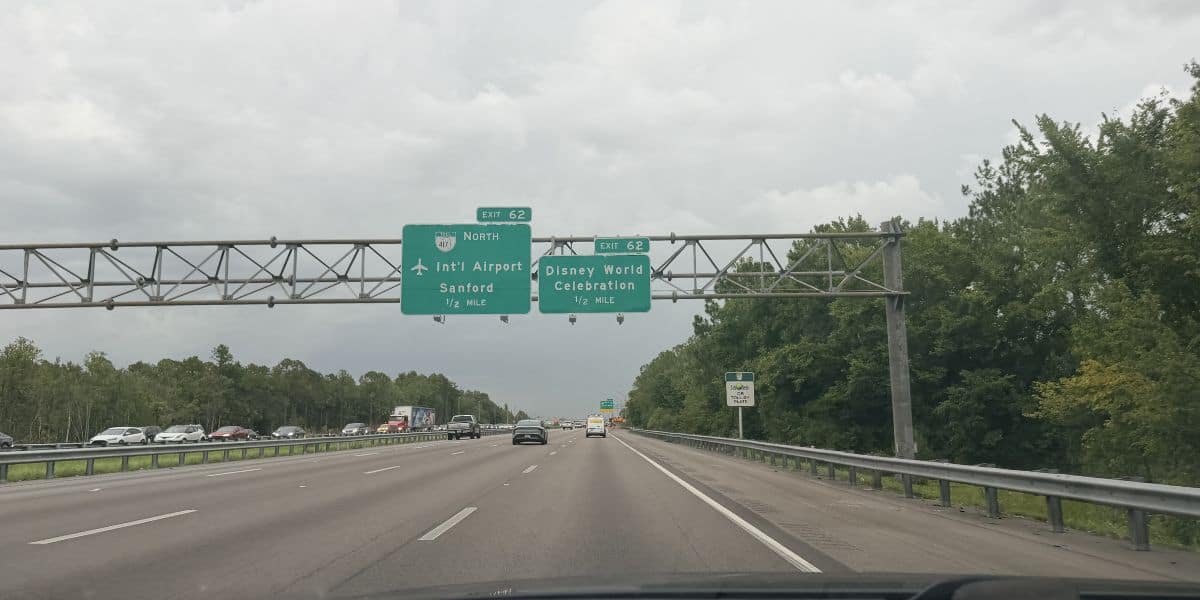
Tesla has not announced service to Walt Disney World, Universal Orlando Resort, SeaWorld Orlando, or Orlando International Airport. The current coverage area sits north of the airport, which keeps it out of the main tourism corridor for now. The service is in its early phase, with safety testing ongoing and coverage expanding over time based on how Tesla has handled previous city rollouts.
The Cybercab, Tesla's purpose-built autonomous vehicle, has been spotted around Orlando but remains in testing and is not available for rides. When it joins the fleet, the footprint could grow faster.
For visitors arriving this summer hoping to skip the rental car line and ride a driverless Tesla to the Magic Kingdom, the timeline is not there yet. But the direction is.

Waymo Got Here First and Already Covers Some Parks
Tesla is the newest player. Waymo has been running in Orlando since February and already holds the theme park territory Tesla is moving toward.
Robotaxi now in Tampa & Orlando! pic.twitter.com/fYtmXgJq3O
— Tesla Robotaxi (@robotaxi) July 21, 2026
Waymo's service covers the International Drive corridor, SeaWorld Orlando, ICON Park, and parts of the Universal Orlando Resort area. The limits: Waymo does not currently drop off or pick up at Universal CityWalk or Epic Universe. It does not cover Walt Disney World Resort or Orlando International Airport either. But it covers more of the visitor zone than anything Tesla can offer today.
The technology approaches differ. Waymo runs cameras plus lidar sensors. Tesla runs only cameras and AI software. Waymo has more years of commercial operation behind it. Tesla has more brand recognition and, based on early Orlando pricing, slightly lower fares on average.
Two different bets on how driverless vehicles get built, now competing on the same roads, for the same tourists.
The Move Disney and Universal Visitors Should Make Now
Download both apps before arriving in Orlando.
The Waymo app shows the current coverage map in real time. Visitors can check whether their hotel or destination is in the zone before committing to anything. For theme park trips where Waymo does operate, it does so now.
The Tesla Robotaxi app requires signing up and then visiting the current coverage area north of the airport. If a visitor wants to experience Tesla service on the trip, they will need to go to where Tesla currently operates rather than wait for Tesla to come to them.
Both services are price-competitive with traditional ride-share options. Both are genuinely driverless. One covers more of the tourist zone. One has a bigger name and a growing map.
What Orlando Just Became
February brought Waymo. July brought Tesla. Five months, two driverless services, in a city that lives and dies on moving millions of tourists from one point to another with minimal friction.
The theme parks have not changed. The roads have not changed. The coverage maps are the ones that keep changing, and they will keep changing. Tesla did not come to Orlando to serve one neighborhood north of the airport. It came to Orlando because Orlando is one of the most visited tourism destinations on Earth, and the theme parks are the target.
The robotaxis are not at the gates of Disney World yet. But they are in the same city, pointing in the same direction, and the map does not stay still.