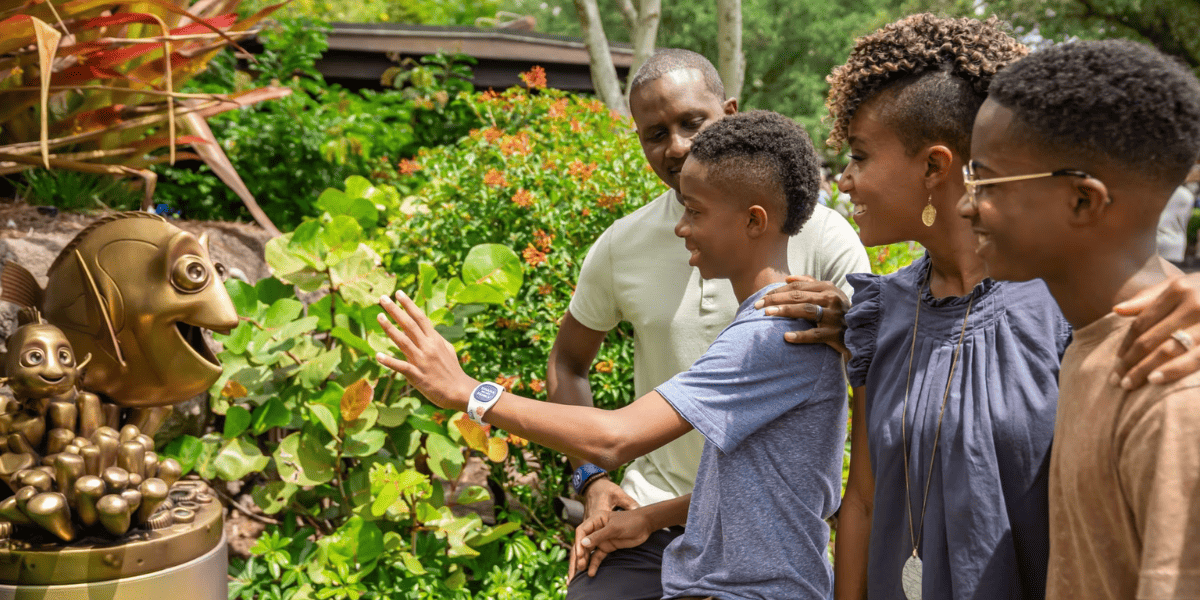
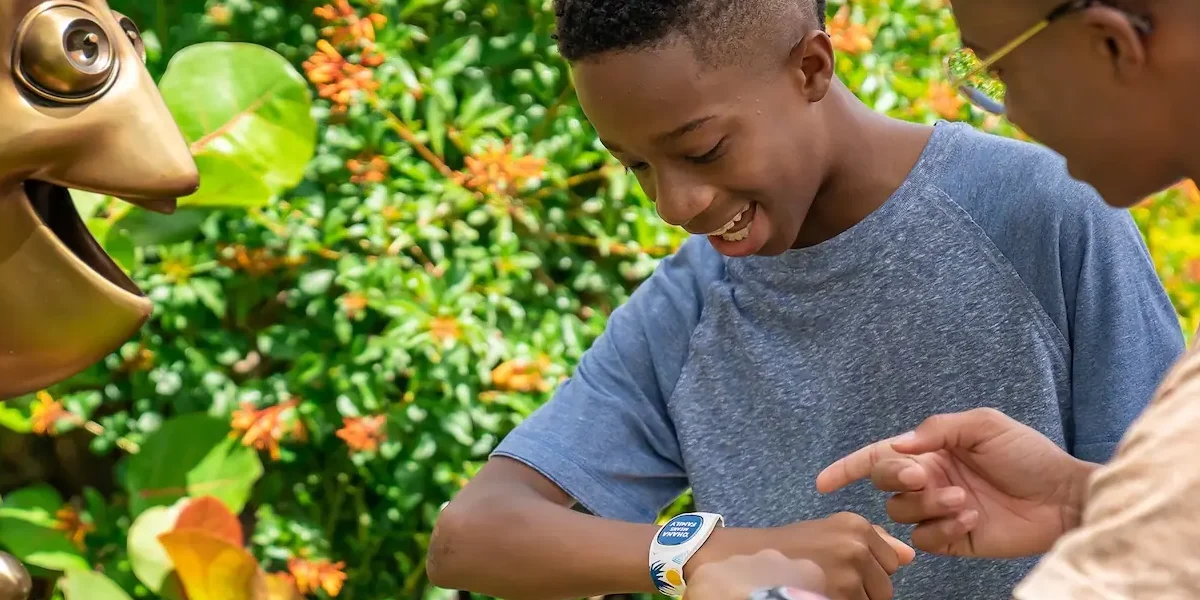
For over a decade, snapping a colorful rubber bracelet onto your wrist has signaled the start of a Disney vacation. Debuting in 2013 as part of a $1 billion tech investment, the MagicBand fundamentally altered theme park operations. With a simple tap of your wrist against a glowing RFID sensor, you could unlock your resort room, enter park gates, redeem line-skipping passes, and pay for snacks.

Yet the visionary behind that industry-defining breakthrough is now preparing to make physical wearables obsolete.
John Padgett, the former Disney executive credited with steering the development of the MagicBand, has launched a new technology venture called Spaxial. First detailed in a Forbes report, Padgett’s company is developing what it calls the world’s first “experiential artificial intelligence platform.” The goal? To replace physical tap-points, wearable wristbands, and phone-screen dependencies with ambient, invisible AI that anticipates guest needs in real time.
The Mind Behind Modern Theme Park Convenience
To understand why Spaxial is turning heads across the leisure industry, one has to examine Padgett’s track record. During an 18-year career at The Walt Disney Company, Padgett rose to Head of Game-Changer Experience Development, helping pioneer several foundational innovations:
- The MagicBand & MyMagic+ Infrastructure: Disney's landmark effort to digitize theme park navigation and guest transactions.
- FastPass+: The digital queue reservation system that laid the operational groundwork for modern Lightning Lane tiers.
- Be Our Guest Restaurant: Magic Kingdom's Fantasyland restaurant that used early RFID tracking pucks, allowing servers to locate guests at unassigned tables across massive dining rooms automatically.
Padgett later brought his wearable philosophy to Carnival Corporation and Princess Cruises, where he spearheaded the OceanMedallion. This quarter-sized disc automatically unlocked stateroom doors upon approach and allowed the crew to deliver drinks directly to wherever passengers sat on deck.
Now, through his development firm SpaxialWorks, Padgett is moving beyond physical accessories entirely.
How Spaxial Eliminates Friction in Theme Parks
While MagicBands solved many logistical bottlenecks, wearables still introduce friction. Wristbands must be purchased, shipped, linked, charged, and physically aligned with scanners. Smartphones eliminate dedicated hardware, but they inadvertently trap visitors behind screens, forcing families to scroll through apps instead of enjoying their surroundings.

Spaxial bypasses both formats by establishing an ambient Internet of Things (IoT) network across an entire physical destination. The platform integrates three core pillars:
- Secure Identity: Frictionless, permission-based guest recognition that verifies identity without requiring guests to scan physical barcodes or credentials.
- Precision Spatial Tracking: Real-time environmental sensors that understand the movement, proximity, and flow of visitors throughout large venues.
- Contextual Experiential AI: Proprietary machine learning models that synthesize guest preferences, itinerary histories, and live venue operational conditions in milliseconds.
Historically, theme parks have relied on isolated digital systems—hotel check-in, dining reservations, ride ticketing, and mobile ordering rarely communicate simultaneously. Spaxial acts as an intelligent overlay on existing legacy systems, unifying data so operators instantly understand not just who a guest is, but also the exact real-time context of their visit.
Empowering Frontline Staff, Not Replacing Them
While much of the corporate rush into artificial intelligence focuses on automated kiosks and labor reduction, Padgett emphasizes that Spaxial is designed to empower human hospitality workers.

Speaking to Forbes, Padgett highlighted where AI delivers the greatest return:
“The leisure travel and entertainment industry is infusing AI into the call centers and the back office, and that certainly helps with cost efficiencies, but true topline value is created in front of the guest via better service delivery. That's where Spaxial is focused.”
By handling the invisible mechanics of identification and ticketing in the background, the software equips frontline employees with real-time insight. When a guest approaches a hotel desk, guest relations window, or restaurant counter, staff are instantly cued with relevant context—such as food allergies, celebration milestones, or whether the party recently experienced an unexpected ride delay. Rather than looking down at a monitor, employees can focus entirely on personal human interaction.
Where Will Experiential AI Debut?
Spaxial is an independent platform, and there is no indication that Disney Parks—which remain heavily invested in MagicBand+ and the My Disney Experience ecosystem—will adopt it anytime soon.

Instead, international operators appear to be prime candidates. Industry observers point to developers like Miral, the government-backed entity behind the massive entertainment ecosystem on Yas Island in Abu Dhabi (home to Ferrari World, Warner Bros. World, and SeaWorld Yas Island). Miral has invested heavily in facial recognition, biometric ticketing, and AI integration, and is partnering with Disney on upcoming projects in the region.
From paper tickets to plastic keycards and tap-to-pay wristbands, theme park logistics have always trended toward reducing physical friction. If John Padgett's latest venture succeeds, the future of vacations won't require tapping a band against a plastic sphere—the destination itself will seamlessly respond to you.