Let's be honest about where SeaWorld stands in the public conversation right now. Blackfish premiered in 2013, and the cultural damage it caused to the brand has never fully healed. The criticism is real, sustained, and comes from people with legitimate concerns about marine animal captivity that are not going to disappear because a company issues a press release about its conservation efforts.
All of that is true.
Also true is that SeaWorld just surpassed 43,000 animal rescues. And if you can hold both of those things at the same time, the full picture of what SeaWorld actually is becomes significantly more complicated than the version that exists in most online discourse.
The Number and What It Represents
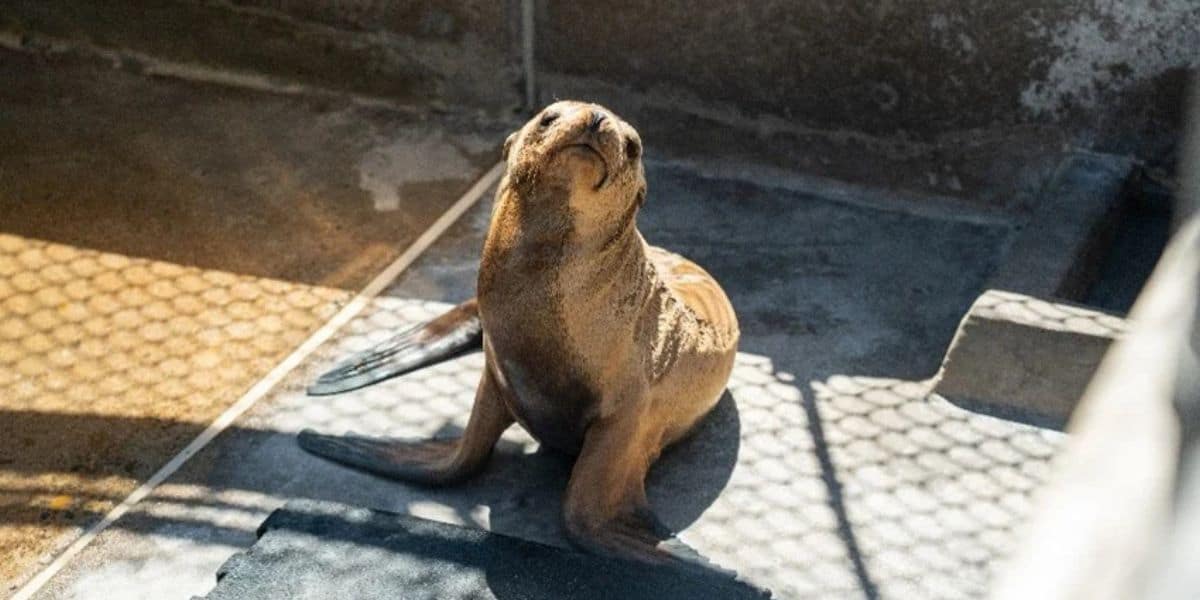
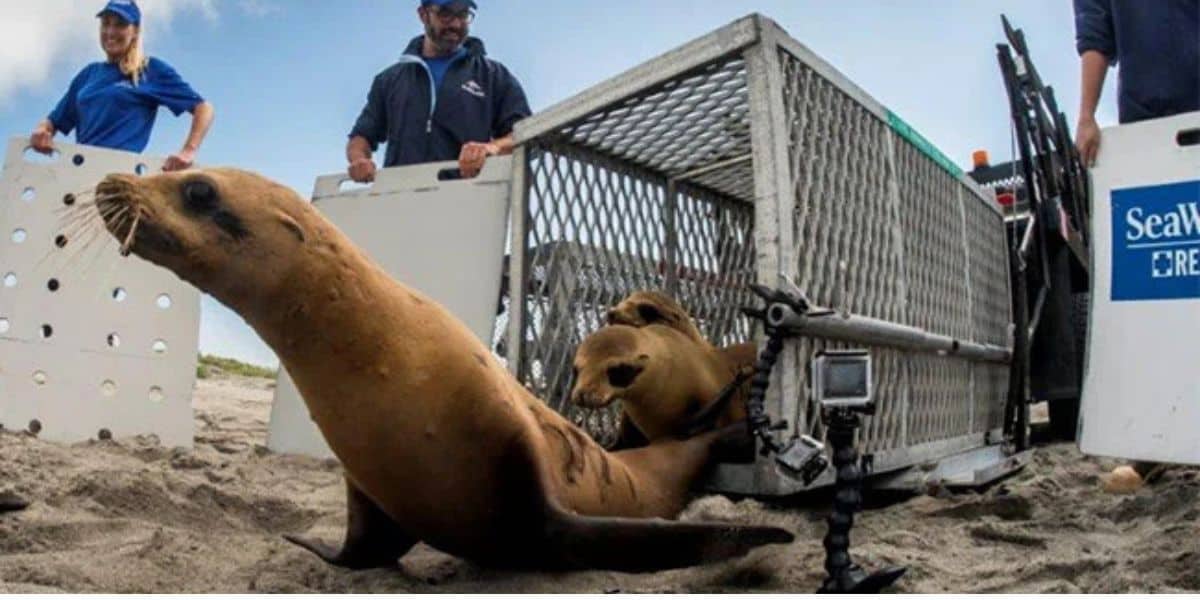
The 43,000th rescue was a California sea lion pup found on the back stairs of a beach house in Carlsbad, California, earlier this month. She was nearly one year old. The pup was severely dehydrated and significantly underweight when she arrived at the SeaWorld Rescue Center in San Diego. Now she is currently receiving fluids, formula, and around-the-clock care while learning to eat fish on her own and socialize with other rescued sea lions.
Nobody staged that. Nobody planned it for a press cycle. A team got a call and went to get her, and now she is alive in a recovery facility in San Diego instead of dead on a beach house porch in Carlsbad.
That is rescue number 43,000.
What the Rescue Operation Looks Like Day to Day
SeaWorld's rescue teams operate out of Orlando, San Diego, and San Antonio, running 24 hours a day, every day of the year. The animals they respond to include manatees, dolphins, whales, sea turtles, otters, seals, sea lions, and aquatic birds. These are not animals already in SeaWorld's care. These are wild animals in crisis situations that require an emergency response from people who know what they are doing.
In Florida alone during the first few months of 2026, the SeaWorld Orlando team rehabilitated 21 manatees, a baby dolphin, nearly 40 turtles and reptiles, and several birds. One of those manatees was named Melby. She was rescued from a storm drain in Melbourne Beach, which is not a situation most animals survive without intervention. She gained more than 100 pounds during rehabilitation at SeaWorld Orlando and was released back into the wild.
Melby is in Florida water right now because SeaWorld's team pulled her out of a storm drain.
The Florida Operation Specifically
SeaWorld Orlando operates the largest manatee rescue program in the United States. The facility covers five acres and can care for up to 60 manatees simultaneously. The park is one of only five federally designated critical care centers for manatees in the country. That designation does not come from SeaWorld's marketing department. It comes from the federal government and it reflects the actual capability and track record of the facility.
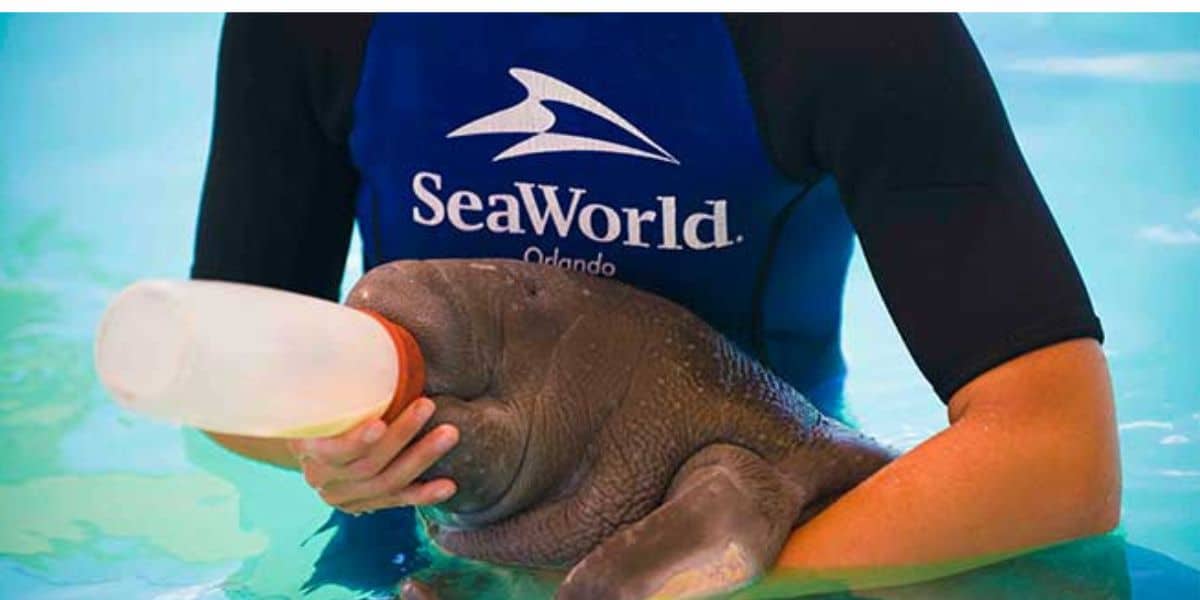
Manatees are a threatened species in Florida. The pressures they face from boat strikes, cold stunning, red tide, and habitat loss create a continuous stream of animals that need professional care to survive. SeaWorld Orlando handles a significant portion of that caseload.
The San Diego Rescue Numbers Are Equally Significant
SeaWorld San Diego has already rescued more than 40 pinnipeds, nearly 150 birds, and a dolphin in the first five months of 2026. That is one location, five months, and numbers that reflect a genuinely active and sustained operation rather than a seasonal or occasional one.
What Happens to Animals That Cannot Return to the Wild
Not every rescued animal can be released. Wildlife authorities make that determination based on the animal's condition and capacity to survive independently. Animals deemed non-releasable receive permanent care at SeaWorld parks and become part of the educational programming that informs guests about the challenges facing marine species. Whether that arrangement sits comfortably with you probably depends on where you already stand on SeaWorld as an institution.
That is a legitimate conversation to have.
So is this one. Forty-three thousand rescues. Teams running around the clock. A sea lion pup alive in San Diego right now who would not be.
Both versions of SeaWorld exist. The full picture includes both.