

For theme park fans, anticipation usually sounds like construction walls coming down, ride vehicles testing on the track, and the excitement of wondering what opening day will bring. But just outside Universal Studios Hollywood, a different soundtrack is already capturing people's attention—and not everyone is celebrating it.
Long before guests have the chance to experience Universal's newest thrill ride, a surprising conversation has begun to unfold beyond the park's gates. It's one that has little to do with speed, technology, or blockbuster intellectual property. Instead, it's about what happens when the excitement inside a theme park doesn't stay inside the theme park.
For decades, living near a major theme park has meant accepting a certain amount of activity. Fireworks, crowd noise, traffic, and the occasional attraction test have become part of daily life for many nearby communities. But residents now say something feels different this time, raising questions that extend well beyond one roller coaster.

The Sound That Residents Say They Can't Ignore
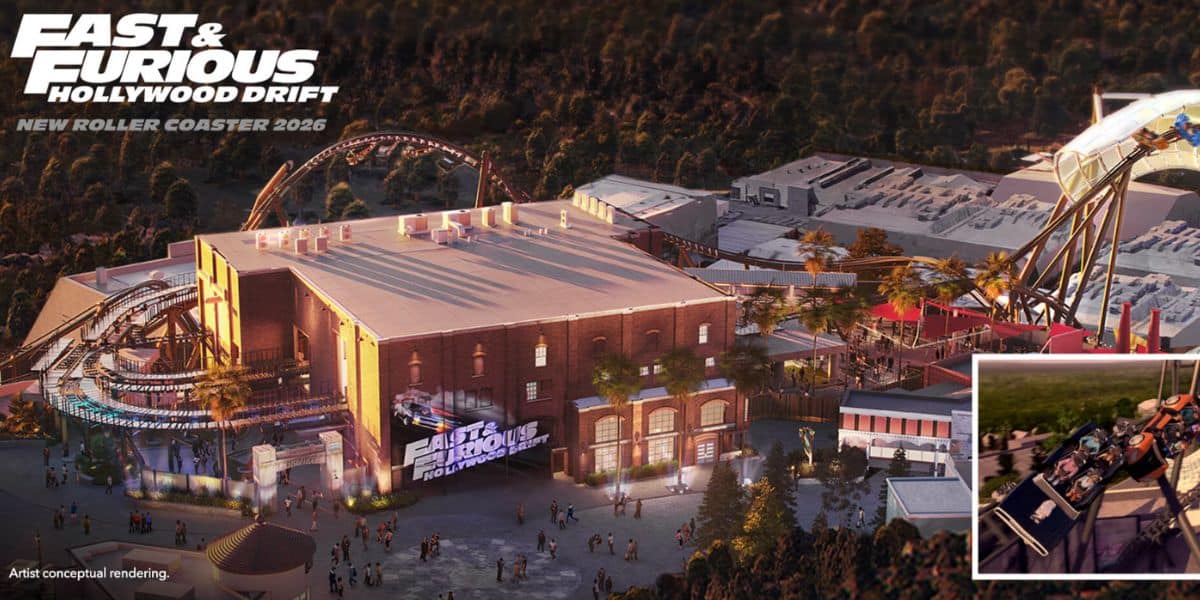
Universal Studios Hollywood's upcoming Fast & Furious roller coaster is still months away from welcoming its first official riders, but testing is already underway—and according to several nearby residents, the most noticeable part isn't the ride itself.
It's the screams.
Speaking to CBS News, neighbor Craig Strong described hearing riders yelling roughly every 30 to 40 seconds as trains cycle through testing.
“Like every 30-40 seconds, you just keep hearing screams,” Strong said. “It's like this is going to be our new sound in the neighborhood all day long.”
Strong said the neighborhood has traditionally been quiet despite its proximity to Universal Studios Hollywood.
“It's very peaceful,” he explained. “That roller coaster, it's a game changer.”
Other neighbors echoed similar concerns, saying the first thing they noticed wasn't the towering steel track—it was the sound of passengers.

Universal Says It's Already Working to Reduce the Noise
To its credit, NBCUniversal says noise mitigation has been part of the attraction's design from the beginning.
According to information shared by the company, the project includes approximately 900 feet of sound walls, pea gravel installed around sections of the coaster to absorb noise, and specially designed rotating ride vehicles intended to change the direction riders face so screams aren't consistently projected toward nearby homes.
A Universal Studios Hollywood spokesperson also emphasized that the attraction remains in its testing and commissioning phase.
“The coaster is currently in its testing and commissioning phase, which includes actively reviewing sound levels to ensure the coaster operates in compliance,” the spokesperson said. “Feedback from the community is an important part of this process, and we appreciate hearing from them.”
That response suggests the company isn't dismissing residents' concerns—but it also highlights that testing is serving another purpose beyond preparing the attraction for opening day.
What Started as a Neighborhood Complaint Could Become a Bigger Theme Park Conversation
Noise complaints aren't new for amusement parks, but this situation has struck a chord because of its timing.
Usually, public debates begin after an attraction opens and thousands of guests experience it. Here, the conversation has started before opening day has even been announced.
That alone makes the situation noteworthy.
Fans have spent years eagerly watching construction updates for Universal's ambitious Fast & Furious coaster, which promises to become one of the resort's signature thrill attractions. Yet while excitement continues online, another audience is experiencing the ride in a very different way.
Instead of adrenaline, they're hearing interruption.
It's a reminder that every major attraction exists within a real community—not just inside the carefully themed environment guests experience during a vacation.

Balancing Bigger Thrills With Everyday Life Isn't Getting Easier
As theme parks continue building taller, faster, and more immersive attractions, the effects don't necessarily stop at the property line.
Modern roller coasters generate enormous energy—not only through speed and engineering but through human reaction. Screaming is part of the experience. In many ways, it's exactly what designers want because it signals excitement.
But when that same excitement repeats every few dozen seconds for hours at a time, the experience can feel dramatically different for people living nearby.
Craig Strong voiced perhaps the biggest concern shared by residents.
“Please work this out,” he told CBS News. “I can't live here and listen to screams every 40 seconds until, sometimes, 2 a.m. It's just unfair.”
That quote captures why this story resonates beyond Universal Studios Hollywood. It's not simply about noise—it's about how entertainment and everyday life intersect in increasingly crowded cities.

Fans Will Be Watching What Happens Next
Universal's Fast & Furious coaster is still expected to open later this year, and enthusiasm among thrill seekers remains incredibly high. Once guests finally board, much of the conversation will likely shift toward speed, storytelling, and whether the attraction lives up to years of anticipation.
But before that happens, another test is quietly taking place.
Universal now finds itself balancing two very different expectations: delivering the next must-ride attraction for millions of visitors while reassuring the community that calls the surrounding neighborhood home. How the company responds over the coming months could shape more than this single attraction.
It may influence how future theme park expansions are designed, tested, and integrated into residential areas. For longtime park fans, it's a fascinating reminder that building the next blockbuster ride isn't just about creating unforgettable thrills—it's also about making sure those thrills don't echo farther than anyone expected.