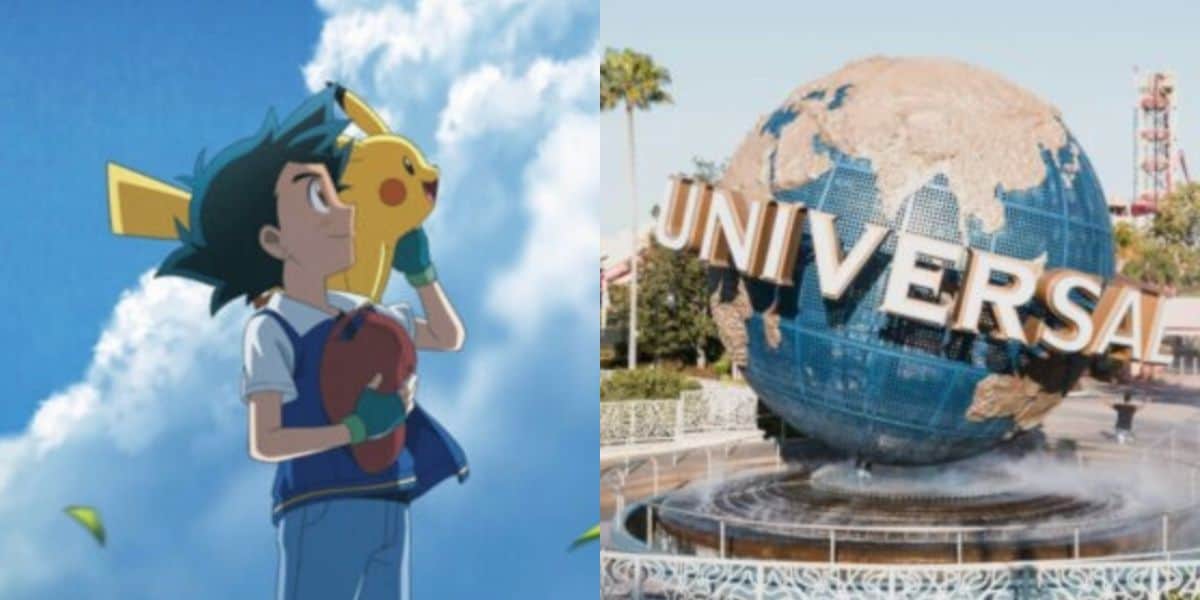
Universal has officially made Pokémon part of its theme park future. This move doesn’t rely on rumors or behind-the-scenes speculation. Pokémon now sits within Universal’s long-term plans, signaling a shift in how the company treats one of the most powerful franchises in entertainment. While Universal hasn’t laid out every detail yet, the intent is unmistakable. Pokémon is no longer positioned as a temporary presence.
What’s interesting is how controlled this rollout feels. Universal isn’t chasing quick reactions. It’s letting momentum build naturally, using proven strategies rather than bold announcements. That patience suggests confidence.
Nintendo’s Success Set the Stage
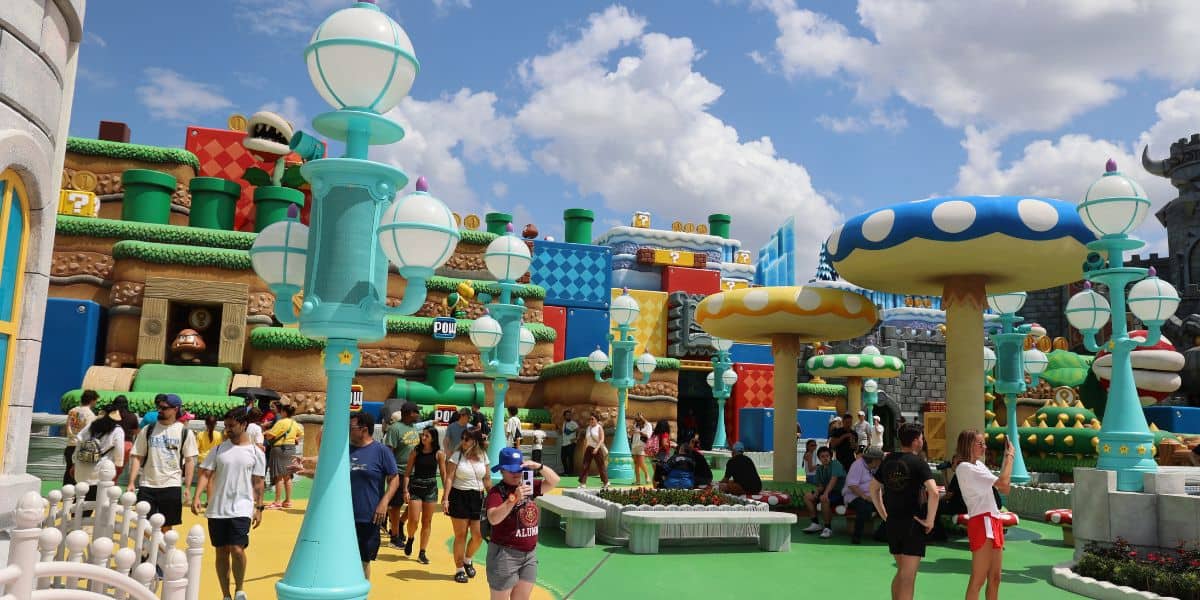
The path toward Pokémon began with Nintendo at Epic Universe. That land wasn’t just another expansion. It was a test of Universal’s ability to handle a massive gaming brand with care and creativity.
Universal succeeded by turning familiar characters and worlds into a cohesive, immersive experience. It respected the source material while still delivering theme park spectacle. That achievement gave Universal credibility in the gaming space, and Pokémon naturally fits into that same model.
A Theme Park Land's Quiet Exit
Meanwhile, Islands of Adventure has been undergoing a subtle transformation. The Lost Continent no longer functions as a complete land. Over time, attractions closed, and live entertainment disappeared, leaving behind a space that feels transitional.
Physical changes followed. Demolition permits surfaced. Construction activity became visible. Walls went up, and guest flow shifted. These updates suggest Universal is preparing for a significant change rather than maintaining what’s already there.
Given Islands of Adventure’s focus on exploration and immersive worlds, a replacement makes sense. That reality narrowed attention to franchises built around adventure, with Pokémon emerging as a strong fit.
Pokémon’s Commitment to Theme Parks Becomes Clear
The tone of the discussion changed when The Pokémon Company announced plans to develop immersive, large-scale Pokémon experiences with Universal theme parks. The announcement avoided any language associated with short-term events.
Instead, Pokémon emphasized long-term, world-class experiences specifically designed for theme parks. That framing shows intent. Pokémon isn’t experimenting. It’s investing.
Universal's Starting Point
Universal Studios Japan currently hosts Pokémon characters in its NO LIMIT! daytime parade, where Pikachu, Charizard, and Lugia appear on a single float. The parade still highlights Universal and Nintendo franchises overall, but Pokémon’s presence has been steadily established.
What matters now is the next step. Universal Studios Japan is moving beyond parade appearances toward more substantial Pokémon offerings built to remain part of the park experience. This marks Pokémon’s first sustained role within a theme park.
Universal frequently uses Japan as a proving ground. Success there often leads to expansion elsewhere.
A “Global Project” Changes Expectations
Tak Murayama, Executive Vice President and General Manager at Universal Studios Japan, described the Pokémon initiative as a “global project.” That phrase reshaped how the announcement was received.
Universal’s global projects don’t stop at one park. They grow. Pokémon’s worldwide fanbase, flexible storytelling, and multi-generational appeal make it an ideal candidate for expansion.

What Comes Next for Universal
Universal hasn’t confirmed a Pokémon land or attraction for Florida. No concept art or timeline exists yet. But the pieces are aligning.
Universal has proven partnerships, active construction, and a franchise officially committing to themed entertainment. Taken together, those elements suggest Pokémon’s role in Universal’s future is only beginning.
While details will take time to surface, Pokémon is no longer hovering on the edges of Universal’s plans. It has clearly become part of the company’s long-term strategy.