One of Universal’s newest theme parks posted a major financial loss last year, highlighting the risks behind the company’s aggressive global expansion strategy even as it continues to invest heavily in new destinations.
Universal Beijing Resort recorded a net loss of more than 1.5 billion yuan in 2024, roughly $213 million, despite welcoming 9.88 million visitors. The results stand in sharp contrast to nearby competitors and come as Universal pushes ahead with multiple new theme park projects worldwide.
The Beijing performance arrives during a period of rapid growth for Universal’s theme park division. Over the past decade, the company has committed billions of dollars to large, franchise-driven parks designed to compete directly with Disney on a global scale.
That expansion recently reached a major milestone with the opening of Epic Universe in Orlando. The park debuted in May and has drawn strong early attendance, reinforcing confidence in Universal’s domestic portfolio.
Universal has also expanded beyond Florida. The company operates a year-round immersive attraction in Las Vegas and opened Universal Beijing Resort in 2021, marking its first full-scale theme park in China.

Why Is Universal Beijing Resort Struggling?
While Epic Universe has been widely viewed as a long-term win, Beijing’s financial performance underscores that not all large-scale projects have delivered immediate returns.
In comparison, Shanghai Disneyland welcomed 14.7 million visitors in 2024 and reported a net profit of 850 million yuan, or approximately $121 million, during the same period.
The gap has reignited debate over the viability of massive theme park investments in China. According to Sina, analysts increasingly argue that “dinosaur-era” projects built on sheer scale are becoming harder to sustain.
Industry observers point to structural challenges in northern China, including population outflows, regional economic slowdown, and shifting travel patterns. Those factors have made it difficult for large tourism developments to maintain high operating costs.
Universal Beijing Resort has also faced criticism for failing to fully align with local consumer preferences. In October, CAC News reported that the park has lost roughly 3 billion yuan, or $426 million, since opening.
While some losses were attributed to COVID-19 disruptions during its first year of operation, CAC News pointed to deeper issues related to intellectual property selection and cultural relevance.

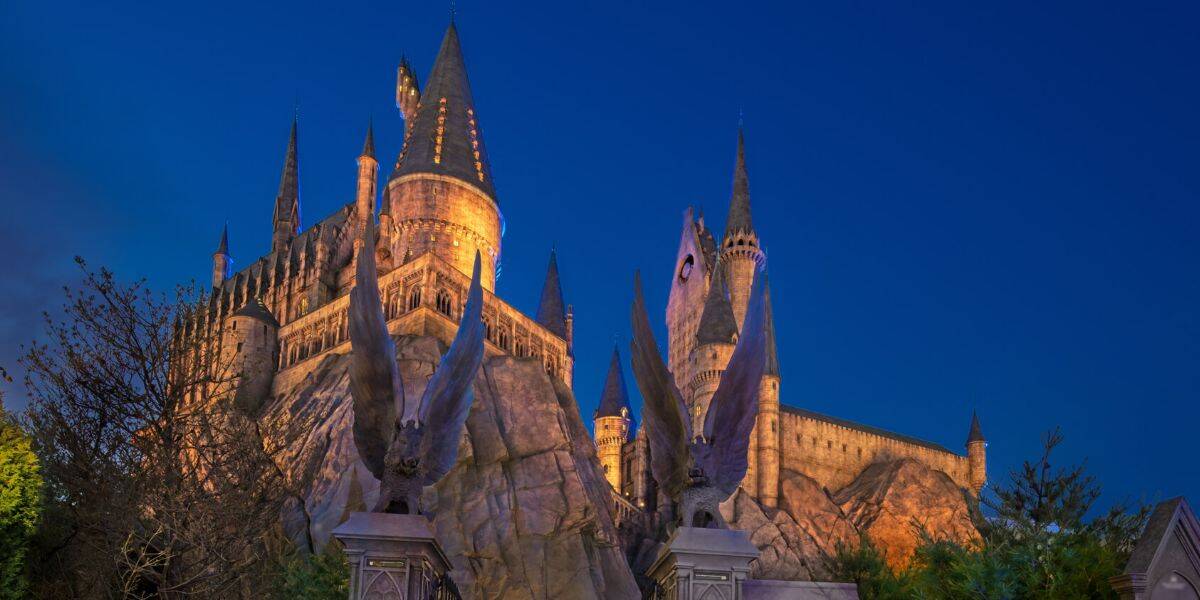
The park features seven themed lands, including The Wizarding World of Harry Potter, Transformers Metrobase, Minion Land, and Jurassic World Isla Nublar. CAC News reports that franchises like Harry Potter and Transformers, while globally successful, lack the same commercial pull in China as they do in Western markets.
Shanghai Disneyland took a different approach, incorporating local dialects, festivals, and cultural references into its attractions. Disney CEO Bob Iger once described the park as “authentically Disney and distinctly Chinese.”
Universal's Ongoing Expansions
Despite Beijing’s struggles, Universal continues to expand. A full-scale theme park resort in the United Kingdom has been approved, with construction expected to begin in 2026.
In the U.S., Universal plans to open Universal Kids Resort in Frisco, Texas, in 2026. The smaller, family-focused park targets younger audiences and represents a lower-cost development model.

Recent reports also suggest Universal is planning a new theme park in Saudi Arabia, potentially placing the company in direct competition with Disney’s planned expansion in Abu Dhabi.
For now, Universal’s global strategy remains intact. However, the financial performance of its Beijing park illustrates the growing risks tied to large-scale theme park investments in increasingly competitive international markets.
Have you ever visited Universal Beijing Resort?