Walt Disney's Patriotism and Anti-Communism
Walt Disney's intense patriotism defined both his career and personal beliefs. During World War II, Disney's studio dedicated approximately 90% of its output to the war effort, creating educational films and propaganda that significantly shaped the public's image of the studio as an emblem of American values. This fervent commitment almost bankrupted the studio but solidified his standing as a quintessentially American figure.

As the war concluded, Disney's focus shifted toward labor relations, where tensions surged, particularly with his animators. In 1941, he took a decisive stand against unionization efforts, leading to the notorious Disney animators' strike. This event highlighted a growing divide between his anti-communist views and the rights of his employees.
Following the strike, Disney accused many of his animators of being communists, resulting in some being blacklisted during the anti-communist fervor led by figures such as Senator Joseph McCarthy.
In 1947, Disney's involvement in anti-communist activities intensified when he testified before the House Un-American Activities Committee (HUAC). This testimony not only underscored his dedication to national loyalty but raised significant concerns regarding the lengths to which he would go to protect his studio amidst a politically charged climate.

The Origins of Disney's FBI Partnership
The relationship between Disney and the FBI began in 1936 following correspondence from J. Edgar Hoover. This initial friendly interaction paved the way for a covert partnership that lasted nearly thirty years. Over the decades, Disney reportedly provided the Bureau with names and insights concerning individuals he suspected of communist activities in Hollywood. This collaboration deepened as Disney took on the role of a trusted informant.
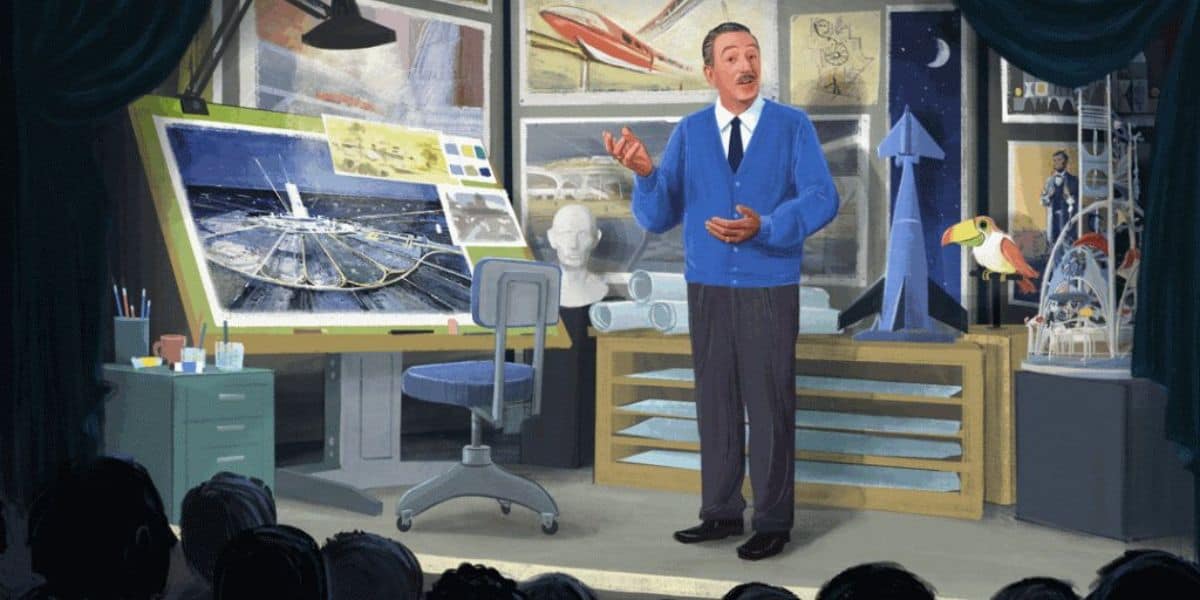
Disney's contributions escalated to such an extent that he was designated as a “Special Agent in Charge Contact.” This designation demonstrated the level of trust placed in him by the FBI, reflecting a significant degree of cooperation between the entertainment mogul and federal authorities. Though the specifics of the information he relayed remain largely undisclosed, it is evident that his insights into Hollywood's inner workings aligned with Hoover’s agenda of eradicating perceived subversive influences.
Portrayal of Law Enforcement in Disney Works
Disney’s secretive alliance with the FBI had substantial ramifications for how law enforcement was depicted in his films and television productions. Walt made deliberate efforts to ensure that representations of the FBI in his works were favorable and polished, mirroring his allegiance to the Bureau. This portrayal coincided with a broader agenda of promoting a positive image of law enforcement during a turbulent political era.

Moreover, Disney extended special privileges to FBI agents, granting them free access to Disneyland. This gesture was indicative of the mutually beneficial relationship that developed, reinforcing both Disney's image and the Bureau's presence within popular culture. The blending of entertainment with real-life surveillance blurred the lines between fiction and reality, embedding the FBI into the fabric of American narratives.
The Legacy of Disney's Informant Role
The disclosure of Walt Disney's longstanding role as an FBI informant has elicited mixed reactions from historians and the public alike. While some regard his actions as a reflection of his unwavering patriotism, others have critiqued the detrimental impact such informants had on free expression during the repressive anti-communist period. The accusations facilitated by influential figures like Disney curtailed the creative work of many professionals, perpetuating an atmosphere of fear and self-censorship.

Moreover, placing Disney’s actions within the historical context of anti-communism illustrates a broader narrative of confusion and repression that characterized 20th-century America. The intersection of artistic freedom and political allegiance raises pressing questions regarding the cost of patriotism. While Walt Disney's legacy is undeniably marked by his tremendous contributions to American culture, it is equally intertwined with entanglements that complicate his narrative.
Ultimately, the revelation of Disney's role as an informant adds nuanced layers to the complex legacy of the man behind the magic. His collaborative history with J. Edgar Hoover and the FBI prompts reflection on the implications of personal choices in a rapidly changing America, leaving audiences and critics to contemplate the true nature of creativity and political fidelity.