

Disney has increasingly leaned on its established franchises, opting for sequels and remakes instead of original stories. Disney CEO Bob Iger's recent announcements regarding the company’s film slate have highlighted films like Moana 2, Inside Out 2, and Deadpool & Wolverine.

This shift signals a trend of prioritizing familiar narratives over original creative ventures, compelling Disney to harness beloved characters and stories that audiences already recognize.
The film lineup showcases Disney's strategy of banking on its existing successes. Notable sequels such as Zootopia 2 and Avatar: Fire and Ash illustrate the reliance on established brand identities. This approach is not merely a creative choice but reflects a calculated business decision.
By unveiling sequels with pre-established fan bases, Disney positions itself to leverage its historical box office performance while minimizing the risks associated with new concepts.
Investors have clearly preferred financial security, pressuring Disney to pursue projects that promise reliable profitability. This economic climate invites a cautious approach as the company aims to satisfy Wall Street's appetite for consistent earnings.
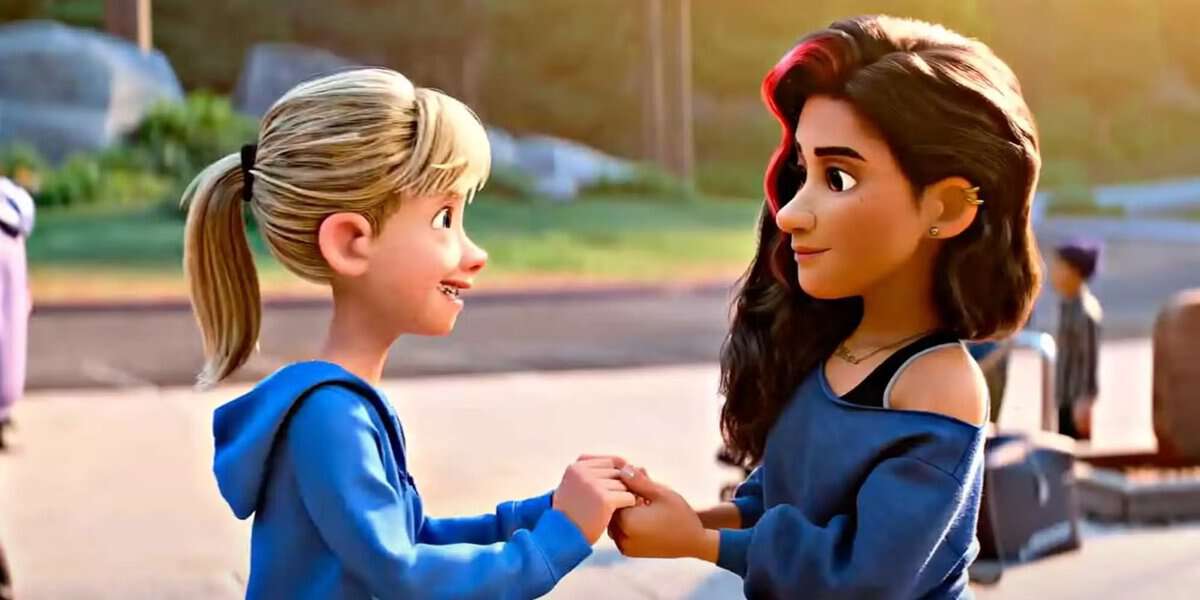
Disney's recent decisions have centered on a pivot to safe filmmaking strategies. Maintaining investor confidence is becoming increasingly critical, especially as the company recovers from the economic effects of the pandemic.
Wall Street's Impact on Creativity
Wall Street pressure plays a pivotal role in shaping Disney's creative direction. The demand for financial stability has become paramount, leading to an environment where creativity struggles to thrive. Investors have been vocal about their desire for projects that secure solid returns. This focus on profitability can often overshadow Disney's commitment to innovation and originality, creating a tension between artistry and financial expectations.

After the disappointments from films such as Strange World and Lightyear, the necessity for Wall Street to see tangible results has never been more pressing. Disney experienced significant financial losses, reinforcing the need to prioritize reboots and sequels that reliably resonate with audiences. The dangerous precedent set by these failures further enhances the strategy of choosing films that represent safer bets from a marketing and production perspective.
Consequently, the preference for safe bets has led to a landscape dominated by sequels and remakes. The meritorious nature of sequels stems from their established fanbase, which eases the marketing burden and ensures a measure of profitability. Investors are rallying behind their demand for content that assures high box office returns rather than risking resources on original stories that might not find an audience.
The Future of Disney's Storytelling
Looking forward, Disney's challenge lies in effectively balancing profitability with the need for innovation. The company faces immense pressure to produce films that satisfy immediate financial interests while not losing sight of the originality that established its legacy. As the landscape of entertainment continues to change, the ability to create distinctive and engaging narratives will be vital for Disney's long-term success.

Moreover, Disney's future direction could heavily depend on the impact of leadership changes within the organization. As discussions regarding Iger’s eventual successor gain momentum, questions arise regarding prioritizing sequels versus original content. The new leadership's vision could dictate whether Disney will continue with familiarity or embrace the challenge of nurturing inventive storytelling.
Ultimately, original content development challenges persist as the company navigates through a framework that prioritizes established narratives. While there's an undeniable demand for sequels, Disney must find a way to foster new original stories that can captivate modern audiences. The potential alienation of fans seeking fresh narratives may eventually force a reconsideration of the current strategy.
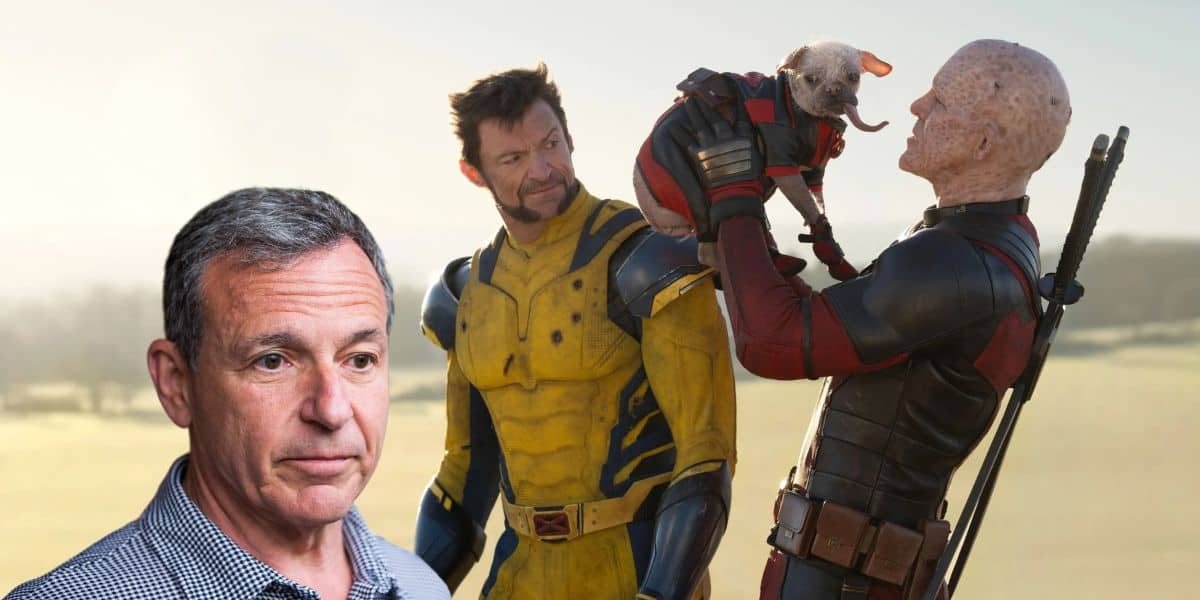
Audience reactions reflect a growing discourse around the tension between familiarity and originality. While some consumers enjoy the reprisal of favorite characters, a contingent is disappointed by the absence of fresh tales. This divide may begin to influence audience engagement with Disney films as viewers seek more diverse storytelling options.
Should Disney continue down its path, which is heavily reliant on recognizable franchises, it risks alienating core fans who yearn for fresh narratives and character development. This challenge of balancing fan expectations with investor demands looms over the company’s creative output. A disconnect between audience desires and the ongoing reliance on existing storylines could gradually erode the fanbase.

Disney's ability to adapt and innovate will determine its future viability in an ever-evolving industry landscape. As the potential for original storytelling persists, the company must navigate external pressures while challenging itself to break free from a formulaic approach.
Ultimately, the call for a refreshing narrative approach lies at the heart of fans' expectations, posing a critical question for Disney: will it prioritize creativity, or will Wall Street's influence dominate its future?




Disney was built on taking risks, but by also by knowing the audience of it’s films. Before Disney can recover it has to first have a head that understands it’s core audience which is outside of the Hollywood and New York stock exchange worlds. Then it will require creatives who also understands the wider audience and new ideas can get greenlit and get produced. Anything else Disney just continues it’s slide to mediocrity and irrelevance.