When Walt Disney opened Disneyland in 1955, he envisioned a place where families could spend time together—where parents and children could enjoy rides, shows, and experiences side by side. That vision became the foundation for every Disney park that followed, expanding across the globe and inspiring generations of fans.
But in recent years, a growing tension has emerged among those very fans, and one group in particular has found itself in the spotlight: Disney Adults.

Related: What’s Worse Than a Disney Adult? Hint…it’s Not Influencers
While the term has been used in playful and affectionate ways over the years, it's now being used in a much different light. One viral post on social media has reignited the ongoing debate over who Disney Parks are really for, and whether childless adults are helping preserve the magic or causing it to change in ways longtime fans never expected.
In a now-viral tweet, X (formerly Twitter) user @disneyglimpses wrote:
“I hate to say it, but the Disney Adult culture is responsible for all of these horrific changes to Disney Parks.
FWIW, Disney is still the one making the mistake here. Listening to them and thinking they will be loyal to them down the road (they won’t be). And that’s really what they are chasing: a new repeat visitor model (stated internal high priority goal).”
I hate to say it, but the Disney Adult culture is responsible for all of these horrific changes to Disney Parks.
— Disney Glimpses (@disneyglimpses) July 6, 2025
Related: After Years of Begging, Disney Finally Caves to Disney Adults
The post drew immediate backlash, with many Disney fans accusing the user of unfairly scapegoating a passionate and loyal part of the fanbase.
Many commenters pushed back, saying that Disney Adults are often the ones who speak out most loudly against controversial changes. One user wrote:
“I would like to know how because I’m part of that Disney adult culture and know quite a few people that are part of that culture and we were pretty loud on what we wanted and what we’re getting is not even close to what we wanted.”
Related: CNN Panelist Argues “Childless” Disney Adults Should Be Locked Up
@disneyglimpses later clarified their comments, explaining that the term “Disney Adult” referred more specifically to childless adults who prioritize their own experiences over those of families.
“You’re technically not a ‘Disney Adult’ which are classically childless adults (not all of them, to be clear) who prioritized their needs, likes and wants over everyone else; particularly families with young children.”
“They have abandoned the family and the holistic vacation experience the WDW used to offer to cater to childless adults who demand E-ticket after E-ticket. And so much of these things look like armchair imagineering ideas that don’t even make sense. It’s a mess.”

The comments touched a nerve, as the Walt Disney Company has made a number of changes in recent years that have sparked controversy, including:
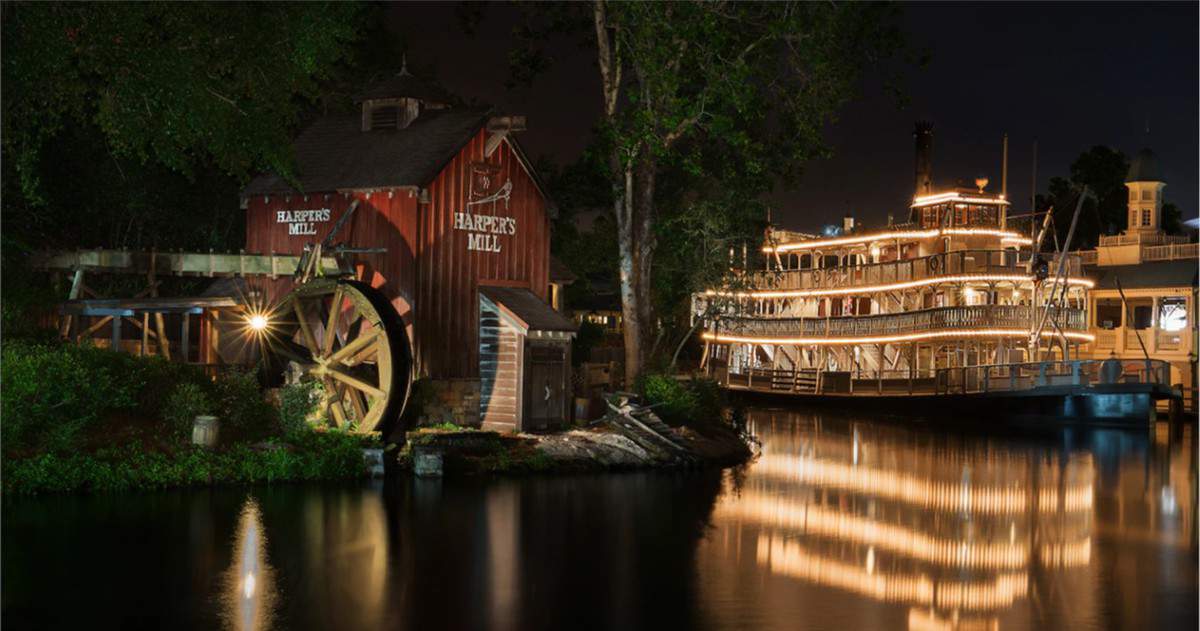
- The demolition of Tom Sawyer Island and the Rivers of America to make way for a Cars-themed area in Magic Kingdom
- The replacement of Muppet*Vision 3D with a Monsters, Inc.-themed space
- The end of free FastPass and the introduction of the paid Lightning Lane system
- The retheming of Splash Mountain into Tiana’s Bayou Adventure
- The removal of A Bug’s Land to make room for Avengers Campus in California
Some fans have speculated that these shifts reflect a broader change in Disney's priorities—from slow-paced, nostalgic attractions to more IP-heavy, thrill-focused experiences.

Related: “I Better Consider Whether It’s Worth It”: Disney Adults Speak on the Disney Experience
But others argue that it’s not Disney Adults who are asking for these changes at all. In fact, many say they preferred the old experiences and aren't particularly interested in newer offerings based on Pixar or modern films. A number of commenters highlighted this disconnect:
“I highly doubt there are many Disney Adults pushing Disney to build CARSland. And I am pretty sure none pushed Disney to build Journey of Water and that disgraceful EPCOT update either.”
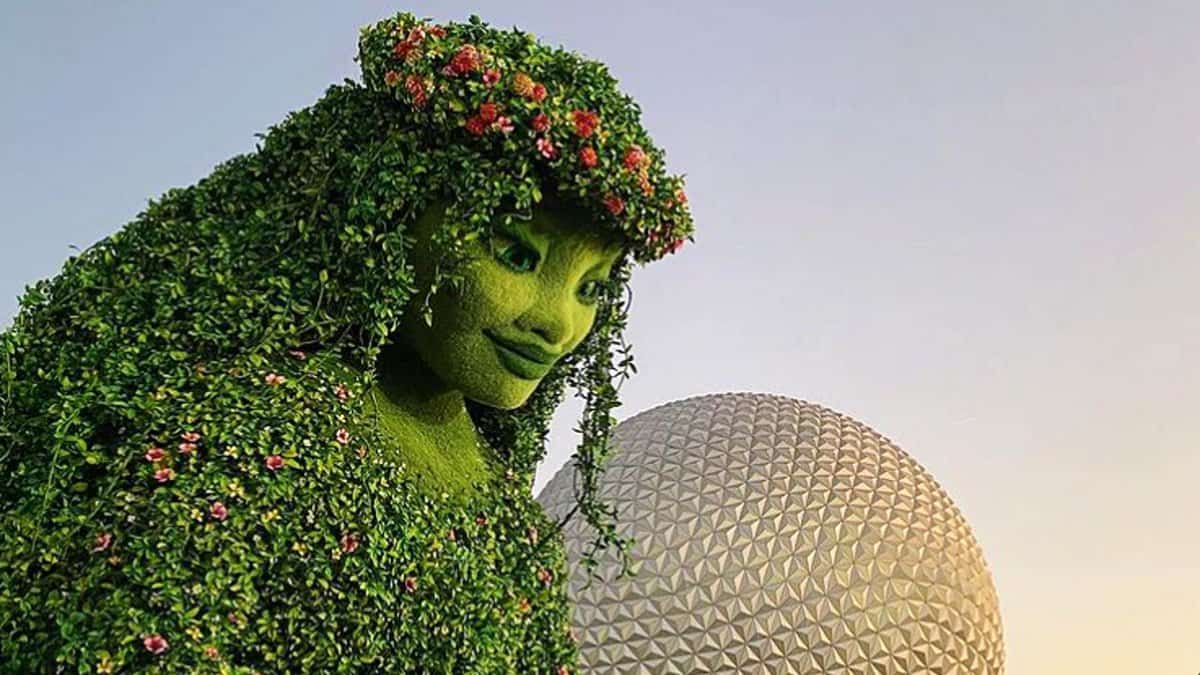
Another user, @JackNate08, countered that the changes are less about Disney Adults and more about broader trends in park development:
“Can’t quite bc this pal blocked me but no. Evolution of the parks is responsible
Kids & Families (mainly who the parks are for) aren’t clamoring for the liberty belle and Tom Sawyer Island, they’re clamoring for Cars, Encanto, Toy Story.”
Some believe that Disney is simply responding to changing demographics and guest expectations. Attractions based on properties like Moana (2016), Frozen (2013), and Encanto (2021) appeal to today’s children and families, many of whom may not even recognize older offerings like Muppet*Vision 3D or the Country Bear Jamboree.

But others say the issue isn’t just about intellectual property. It’s about access. Disney Parks have become increasingly expensive, and some families say they simply can’t afford the cost of a vacation anymore. Meanwhile, Disney Adults—often dual-income and without kids—are able to return more frequently, buy annual passes, and invest in add-ons like Lightning Lane.
Some fans believe Disney has shifted its model to favor these frequent, higher-spending visitors. With competition heating up—especially following the opening of Universal Orlando's third gate, Epic Universe—Disney may feel pressure to invest in thrill rides and large-scale expansions that appeal to older audiences as well.
At the same time, Disney has continued developing attractions for younger guests. New shows at Disney’s Hollywood Studios and Disneyland Resort, such as The Little Mermaid – A Musical Adventure and Disney Villains – Unfairly Ever After, aim to balance the guest experience across age groups. A new Coco (2017)-themed boat ride is also on the way to Disneyland.
Do you think Disney Adults are responsible for the recent changes at Disney Parks? Or have they become a convenient target in a much larger conversation about pricing, priorities, and park evolution? Join the conversation in the comments and let us know where you stand.