Matthew Perry’s death left a void in the entertainment world that fans and loved ones continue to mourn. Nearly two years have passed since that devastating day in October 2023 when Perry, the actor beloved for his role as Chandler Bing on Friends, was found unconscious in his hot tub. Initially thought to be a drowning, the investigation quickly uncovered a much darker cause—Perry had died from a lethal dose of ketamine, a powerful anesthetic.
The revelation that the actor had been exposed to this drug, despite undergoing legitimate therapy, set off a chain of events that would bring some of those responsible to justice.

Related: Family, Friends, and Costars Remember the Late Matthew Perry
As authorities dug deeper into Perry’s death, it was discovered that several individuals had played a role in the illicit distribution of ketamine, a drug that had ultimately claimed the actor’s life. Perry’s history with substance abuse, combined with his reliance on ketamine for therapy, made him a vulnerable target for those willing to exploit him.
Uncovering the Network Behind Perry’s Death
What started as a routine investigation into a sudden death soon turned into a multi-faceted case that exposed a network of drug dealers and facilitators. The Los Angeles Police Department, working alongside the Drug Enforcement Agency (DEA), was determined to find out how Perry came to possess a large quantity of ketamine, ultimately leading to his fatal overdose.

Related: Matthew Perry Wanted ‘High School Musical’ Star to Play Him in Biopic
In May 2024, a joint investigation uncovered the involvement of several individuals, some of whom were close to Perry. Among those arrested were Perry’s own assistant, Kenneth Iwamasa, as well as medical professionals and dealers, including Jasveen Sangha, known in some circles as the “Ketamine Queen” of North Hollywood.
Sangha, who was reportedly responsible for supplying Perry with ketamine in the months leading up to his death, became a central figure in the case.
Legal Developments and Plea Deals
In the wake of these arrests, the legal process moved quickly. Kenneth Iwamasa, who had been with Perry on the night of his death, pled guilty to one count of conspiracy to distribute ketamine. Iwamasa admitted to injecting Perry with the drug on multiple occasions, including the day of his death.

As part of his plea agreement, Iwamasa now faces a maximum sentence of 15 years in federal prison when sentenced in November 2025.
The investigation also uncovered the involvement of Erik Fleming, a former director who pled guilty to conspiracy to distribute ketamine and distribution resulting in death. Fleming’s role in the tragedy further underscored the extent to which Perry’s addiction was exploited by those around him. Fleming is expected to face up to 25 years in prison for his actions.
Meanwhile, Dr. Mark Chavez, who had lost his medical license, also pled guilty to distributing ketamine, with a sentence of up to 10 years pending. Dr. Salvador Plasencia, initially set for trial, entered a guilty plea as well, admitting to distributing ketamine in four instances. He could face up to 40 years in prison as a result.

The Case of Jasveen Sangha
As the legal fallout continued, all eyes turned to Jasveen Sangha, whose role in Perry’s death became clearer with each passing day. In a statement from the U.S. Attorney’s Office, Sangha was revealed to have pled guilty to multiple charges, including “one count of maintaining a drug-involved premises, three counts of distribution of ketamine, and one count of distribution of ketamine resulting in death or serious bodily injury.”
Sangha’s involvement in the operation to supply Perry with ketamine sheds light on the darker side of addiction and exploitation. Her home, where she stored a staggering amount of illegal drugs, was raided by authorities. Among the drugs found were methamphetamine, MDMA (Ecstasy), counterfeit Xanax pills, and cocaine. The sheer volume of drugs in Sangha’s possession painted a grim picture of a lucrative, illegal business built on exploiting people like Perry.
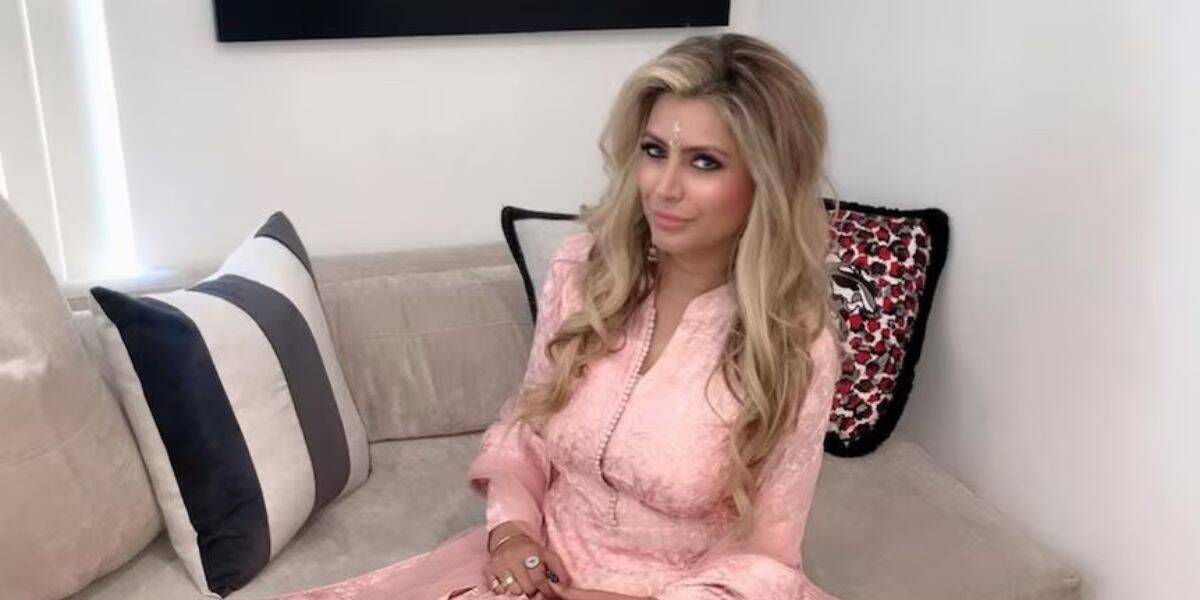
The statement reveals that Sangha could spend the remainder of her life in jail if she is given the maximum penalty for each count. She has been in jail since her arrest last summer.
Upon entering her guilty plea, Sangha will face at her sentencing hearing – which is expected to occur in the coming months – a statutory maximum sentence of 20 years in federal prison on the drug-involved premises count, up to 10 years in federal prison for each ketamine distribution count, and up to 15 years in federal prison for the count of distribution of ketamine resulting in death or serious bodily injury.
According to her plea agreement, Sangha worked with Erik Fleming, 55, of Hawthorne, to knowingly distribute ketamine to Perry, a successful actor and author whose struggles with drug addiction were well documented. In October 2023, Sangha and Fleming sold Perry 51 vials of ketamine, which were provided to Kenneth Iwamasa, 60, of Toluca Lake, Perry’s live-in personal assistant.
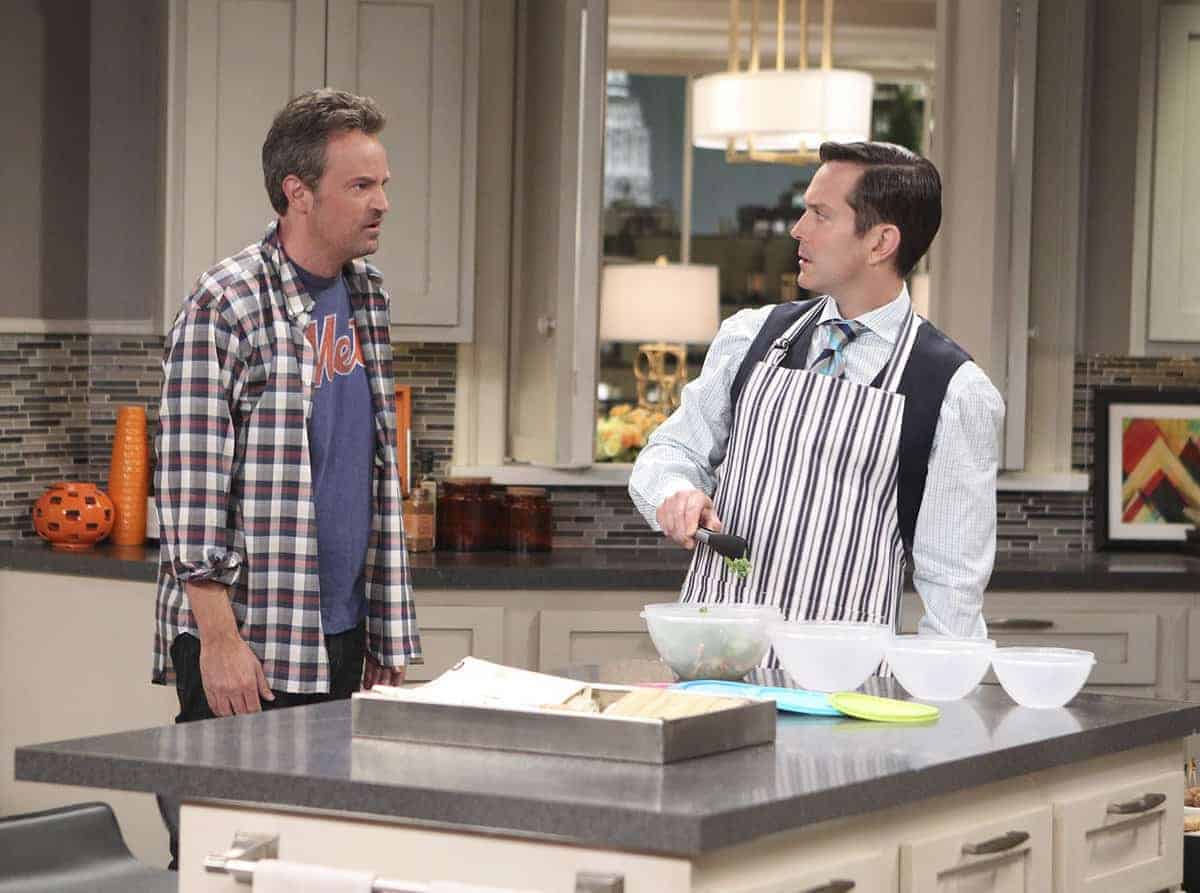
Sangha’s plea agreement also revealed a chilling admission: in 2019, she sold ketamine to a man named Cody McLaury, who overdosed and died shortly after. This revelation adds a further layer of tragedy to the case, highlighting how Sangha’s actions affected multiple lives, not just Perry’s.
While the sentencing dates for the other four defendants have already been set, Ms. Sangha has not yet received one.
What do you think of the legal outcomes in Perry’s case? Do you believe the sentences are adequate for those involved? Should there be more severe penalties for those who contributed to his death? Share your thoughts in the comments and join the conversation.