
The allure of Disney’s theme parks has always rested on the idea of immersion — the promise of stepping into a story and living inside it for a few minutes. Yet for many visitors, that fantasy begins with a much less magical reality: standing in line. At certain parks, however, waiting your turn is no longer guaranteed.
From Anaheim to Shanghai, the familiar dance of queuing has long been a hallmark of the Disney experience. What has changed is the price tag attached to getting ahead.

Over the past several years, Disney has shifted away from free line-skipping services like FastPass (RIP sweet king) toward paid models. Lightning Lane at Walt Disney World and Disneyland, along with Disney Premier Access at Disneyland Paris, have become new tools for bypassing wait times — but at a cost.
A Controversial Practice Emerges
Nowhere has the impact of that shift been felt more keenly than in Tokyo.
At Tokyo DisneySea, guests have increasingly reported moments when the option to queue freely has disappeared altogether. Instead, entry to certain attractions has been restricted solely to those willing to pay for Disney Premier Access. The model is familiar enough — paying extra to skip the line — but the complete removal of standby access represents a notable departure.
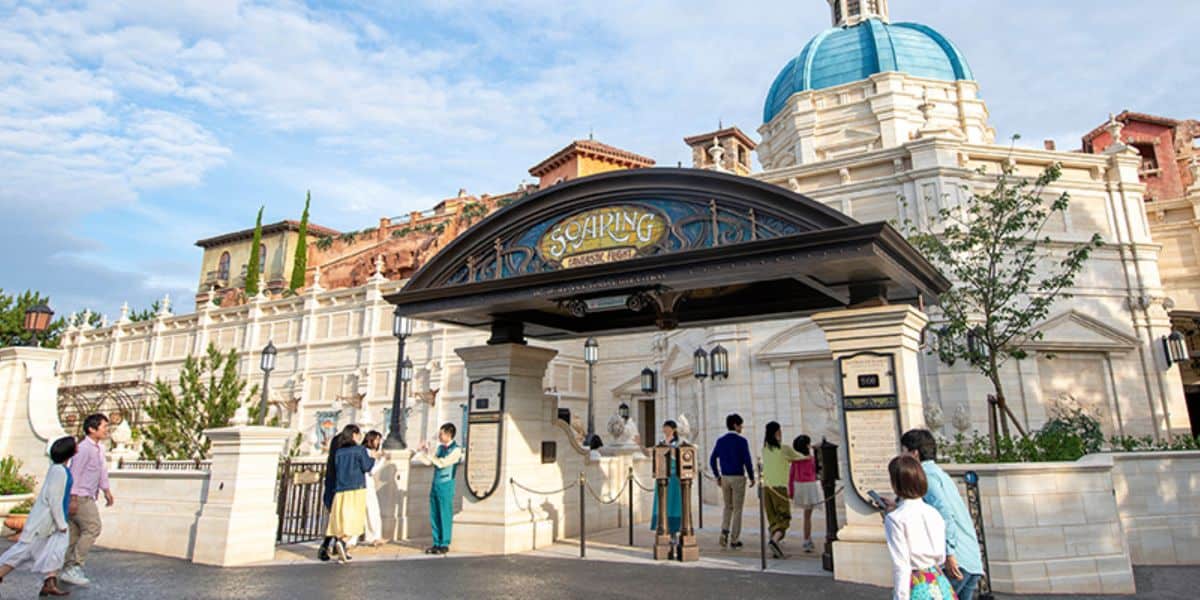
The issue came into sharp relief during a recent incident at Soaring: Fantastic Flight, a fan-favorite ride modeled after Soarin’ at EPCOT and Disney California Adventure. Visitors arriving at the attraction found a notice posted at the entrance: “Only guests with access to Priority Access Entrance can queue for this experience at this time” (via Reddit).

That meant a ticket to board required not just admission to Tokyo DisneySea, but an additional 2,000 yen — roughly $13.59 — per guest. For families, that fee quickly multiplies, transforming what was once a standard ride into a premium experience.
Weather, Crowds, and Capacity
According to parkgoers, the restriction at Soaring: Fantastic Flight coincided with a sudden shift in weather. “There were widely reported sudden massive thunderstorms this afternoon, resulting in crowds all rushing into indoor rides for cover and blowing out capacity everywhere,” one guest wrote on Reddit. “Sindbad blew up from no wait to 40 minute wait.”
This was not an isolated occurrence. In May, about an hour before closing, Anna and Elsa's Frozen Journey — the marquee attraction inside the newly opened Fantasy Springs expansion — closed to everyone except those who had purchased Premier Access. Like Soaring, the ride carries the same 2,000 yen fee.
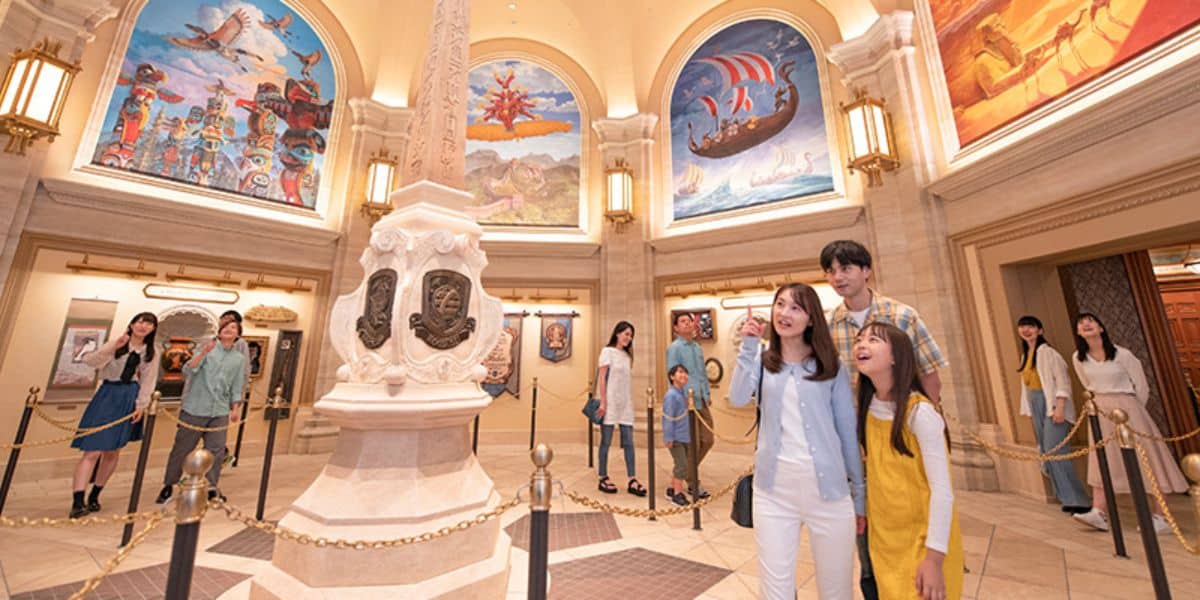
Anna and Elsa's Frozen Journey, which regularly sells out of Premier Access within minutes of park opening, has become a lightning rod for the debate over accessibility at Tokyo DisneySea, long considered the best Disney theme park in the world.
As the most-hyped addition to Fantasy Springs — which also features Peter Pan’s Never Land Adventure, Rapunzel’s Lantern Festival, and Fairy Tinker Bell’s Busy Buggies — the attraction draws heavy demand. The decision to block standby guests altogether has only heightened frustration among fans.

Tokyo DisneySea has long been notorious for its crowds, with locals and international visitors alike packing its lands on a daily basis.
The park’s reliance on Premier Access – which can also be utilized for an ideal view of Disney Harmony in Color, Reach for the Stars, and other shows at the resort – as a crowd management tool speaks to the difficulty of balancing guest demand with operational limits. Yet for many, the approach runs counter to the core Disney ethos of open accessibility.
The question remains whether these pay-to-play restrictions will become more common at other Disney parks worldwide. For now, they remain largely confined to Tokyo — a place where magic is abundant, but sometimes comes with an unexpected surcharge.
Do you agree with the approach to Premier Access at Tokyo Disney Resort?