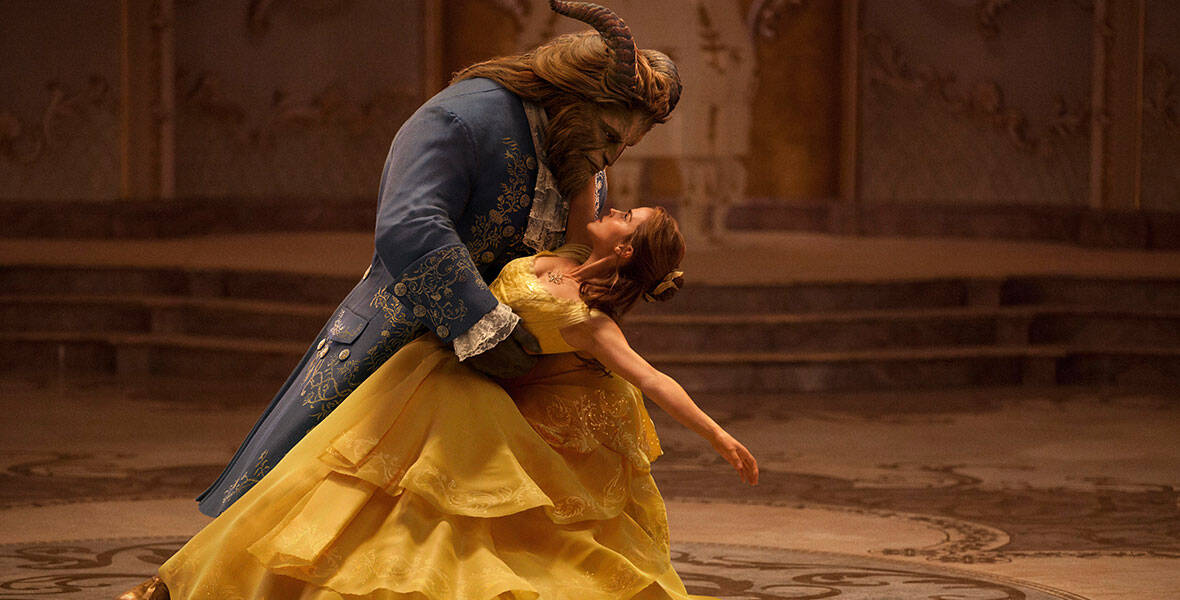
Since its release in 2017, Disney’s live-action remake of Beauty and the Beast has been a global sensation. The film, starring Emma Watson as Belle and Dan Stevens as the Beast, grossed over $1.2 billion at the box office and was praised for its stunning visuals and faithful recreation of the animated classic. With intricate set designs, breathtaking effects, and spectacular performances, the movie seemed to be the perfect blend of magic and technology.
But behind the scenes, Disney was embroiled in a major legal battle that threatened to overshadow the film’s success.
Related: ‘Beauty and the Beast’ is Back—Disney’s Big Casting Shake-Up Revealed
The lawsuit was filed by Rearden LLC, the company behind the MOVA Contour software used to capture the Beast’s facial expressions for the film. According to Rearden, Disney and its contractor Digital Domain used the software without proper authorization, leading to accusations of copyright infringement.
What followed was a lengthy legal battle that would eventually lead to a reversal of an earlier ruling, with the Ninth Circuit Court of Appeals siding against Disney.
The Original Lawsuit and Disney’s Defense
In 2017, Rearden LLC sued Disney, claiming that the company had used its proprietary MOVA Contour software to create the Beast’s facial expressions without the proper license. The software, designed to capture facial motion data for special effects, had been used by Digital Domain (DD3), the special effects company that worked with Disney on Beauty and the Beast.
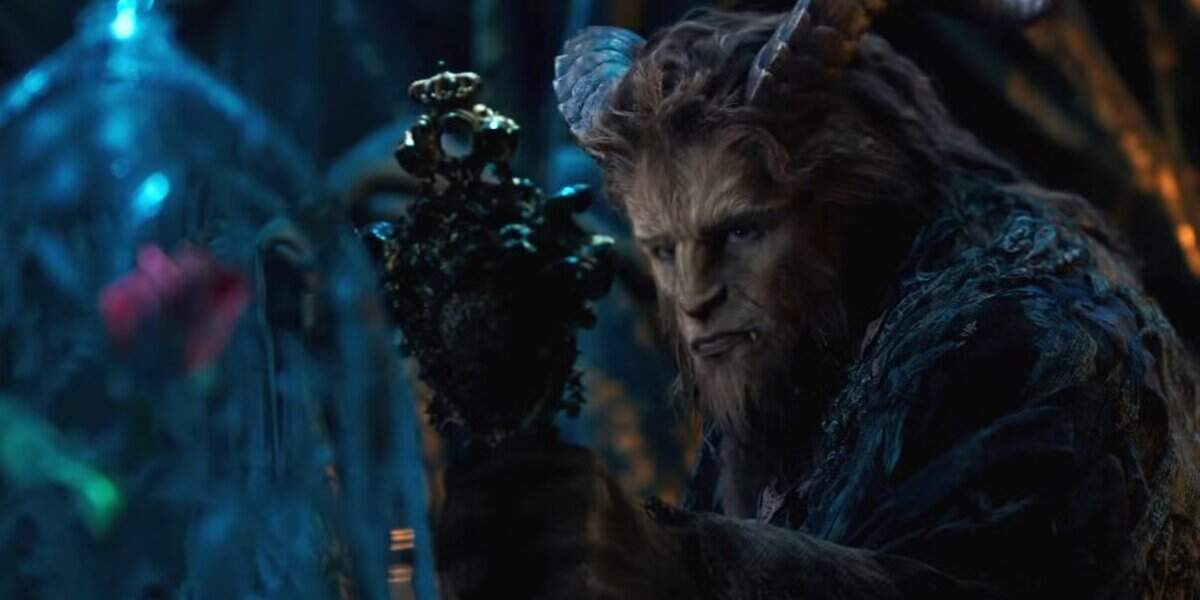
Rearden argued that Digital Domain had obtained the software through a “rogue” employee, and that both Disney and Digital Domain knew they had no right to use it.
Disney defended itself by arguing that it had worked in good faith and that Digital Domain was responsible for any unauthorized use. Disney’s attorneys contended that the company was unaware of any issues surrounding the software’s use and that it should not be held liable for the actions of its contractor.
Despite these defenses, the initial ruling in favor of Rearden resulted in a fine of $600,000 for Disney, though it was much smaller than the $38 million Rearden had originally sought.

Related: ‘Beauty and the Beast’ Series Stalled by Disney+ Indefinitely
A Reversal in Disney’s Favor
In August 2024, Judge Jon S. Tigar overturned the previous ruling, siding with Disney. Tigar found that Rearden LLC had failed to prove that Disney had knowingly infringed on the copyright. According to the ruling, Disney could not have known that Digital Domain had used the software illegally, as the company had relied on Digital Domain’s assurances that the software was obtained legally.
This reversal was a significant victory for Disney, as it meant the company was no longer liable for the full damages claimed by Rearden.
However, the legal battle was far from over. Rearden LLC appealed the decision, and in September 2025, the Ninth Circuit Court of Appeals delivered a new verdict. The appeals court disagreed with Judge Tigar’s ruling, stating that Disney had failed to properly supervise its contractor.
Related: Lumière Falls on Stage During ‘Beauty and the Beast – Live on Stage’ at Disney’s Hollywood Studios
Per a report from Courthouse News Service:
U.S. Circuit Judge Lucy Koh found in her opinion that a 2023 jury trial offered enough evidence to conclude Disney knew its contractor made unauthorized copies of facial motion capture software owned by San Francisco technology incubator Rearden. The three-judge appeals panel ruled that Disney vicariously committed copyright infringement by allowing its contractor, Digital Domain 3.0 (DD3), to use Rearden’s software.
The Aftermath: Rearden LLC’s Victory
Following the appeals court decision, Rearden LLC’s CEO, Steve Perlman, issued a statement expressing his satisfaction with the ruling. Perlman thanked the court for reinstating the original decision, emphasizing the importance of protecting intellectual property in the entertainment industry.

While Disney has not yet commented publicly on the appeals court ruling, it is clear that the legal fight is far from over. Disney could still appeal to higher courts, potentially delaying a final resolution for months or even years.
Now that the Ninth Circuit has reinstated the original ruling, Disney faces a difficult decision: continue fighting the verdict or settle? Some argue that Disney should pay the fine and move on, while others believe that the company should continue its appeal to avoid setting a potentially costly precedent. The decision to continue fighting could have ramifications not just for Disney but for the wider industry, as the case could influence how other companies handle intellectual property and contractor relationships in the future.
In the meantime, Disney’s legal team will likely review its options and consider the potential impact of further appeals. The case is far from settled, and it remains to be seen how long it will take to reach a final resolution.
So, what do you think? Should Disney continue fighting the lawsuit, or is it time to accept the decision and move on? How important do you think it is for large corporations to ensure their contractors are using technology legally? Share your thoughts with us in the comments below!