Revisiting a Controversial Legacy
The 1946 film Song of the South remains one of Disney's most contentious works due to its racial themes and portrayal of African American characters. The film follows Uncle Remus, a storyteller in the post-Civil War South, as he recounts tales featuring anthropomorphic characters. However, the film’s representation of race relations has led to significant backlash since its release, with many labeling it as one of Disney's most overtly racist productions.

Critics argue that Song of the South glosses over the brutal realities faced by Black individuals during the era. Instead of addressing systemic racism, it romanticizes a past that many would prefer to forget. As awareness about racial representation in media burgeons, Disney has actively attempted to distance itself from Song of the South. The film is notably absent from Disney's streaming platforms and has not been made available for digital purchase.
The Emergence of The Amanuensis
A new play titled The Amanuensis has gained attention in light of the continuing discourse around Song of the South. Written by celebrated playwright Ishmael Reed, this production critically examines the film's origins, shedding light on its less-than-flattering aspects. Reed's focus centers on Joel Chandler Harris, the author credited with adapting the Uncle Remus stories from African American oral traditions. The play criticizes how Harris appropriated these tales without compensating the original storytellers.
The Amanuensis features characters inspired by Br’er Rabbit and Sister Fox, allegorical advocates for the original Black storytellers. Through these figures, the play articulates the historical injustice faced by those whose narratives and voices have been seized and misrepresented throughout history.
Financial Success vs. Moral Implications
Despite the moral quandaries surrounding Song of the South, the film achieved notable financial success, grossing approximately $82 million. This prosperity starkly contrasts with the ethical implications of its content, establishing a complex legacy that continues to influence Disney's reputation.
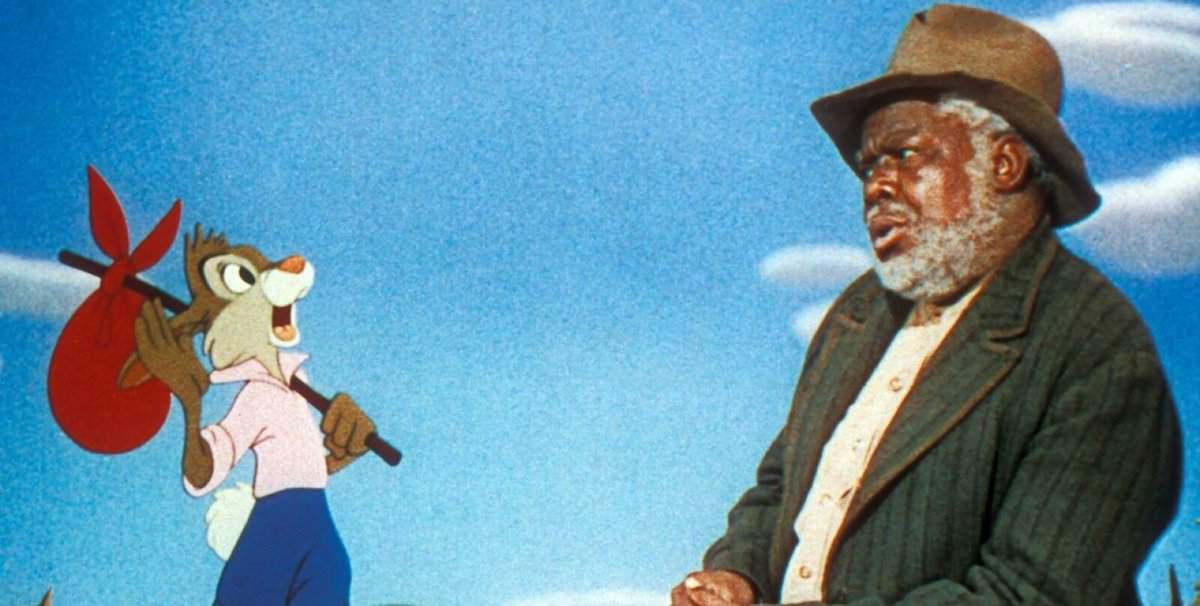
The film boasts a devoted fan base, and its nostalgia complicates discussions about racial representation. Supporters often reference the impactful characters and stories from Song of the South. Yet, these recollections also expose a tension between fondness for the past and the moral responsibilities of modern narratives. The ongoing backlash ensures that conversations about representation remain vital, challenging Disney and similar organizations to confront their past.
Ishmael Reed's Reflections and Goals
Ishmael Reed provides a vital perspective on Song of the South, acknowledging his childhood enjoyment of the film while recognizing its problematic nature. He remarked, “I wasn’t sophisticated enough to detect its demeaning of Black Americans. This is the power of film.” Reed's journey reflects a broader experience shared by many who may have overlooked the troubling aspects of cultural products in their youth.

In The Amanuensis, Reed addresses contemporary issues related to storytelling, specifically the appropriation and misrepresentation of marginalized voices. He aims to provide a platform for these original storytellers and highlight the need for acknowledgment and historical reparation. Reed asserts that the challenges faced by Black characters represented by white creators persist, stressing, “The use of Black characters by white script writers to mouth their prejudices about Blacks continues to this day.”
Through his work, Reed fosters a dialogue regarding Song of the South and its legacy, compelling audiences to confront the complexities inherent in storytelling against a backdrop of systemic racism. The play critiques Disney's handling of Song of the South and advocates for greater awareness and understanding of the narratives that have historically marginalized certain groups.
As the conversation surrounding the film’s legacy continues, The Amanuensis is a pivotal reminder of the need for equity in storytelling and the essential recognition of original creators. By questioning nostalgia and emphasizing the narratives of the disenfranchised, Reed promotes a broader examination of race and representation, urging audiences to reflect on the past while advocating for a more inclusive future.