Since opening in 1971, Magic Kingdom has been a magnet for dreamers. Families, thrill-seekers, and Disney loyalists all want their day in the park. But today, that dream has turned into a logistical nightmare. Magic Kingdom isn’t just busy—it’s buckling under the weight of its own popularity.
More than 46,000 guests visit the park daily, and that number continues to rise. The result? Jammed pathways, crowded restaurants, and ride lines that never seem to move. It’s hard to find the magic when you’re elbow-to-elbow from park open to close.

The Math Behind the Madness
Magic Kingdom can theoretically accommodate 38,000 riders an hour, but operationally it’s much lower—closer to 28,700. When you compare that to the daily attendance, it’s obvious why crowds feel unbearable. The park simply wasn’t designed to handle this many people at once.
The “One-In, One-Out” Problem
Disney’s expansion strategy is part of the issue. Instead of building out, they’ve been trading one ride for another. New Fantasyland and Tiana’s Bayou Adventure replaced older areas without increasing overall capacity. The only genuine addition in decades? TRON Lightcycle/Run. For guests, the net gain is almost zero.

Trapped by Its Own Design
Magic Kingdom’s layout is a beautiful but confining maze. The railroad and underground utilities limit where Disney can build. Even available land often requires major engineering work to be usable. It’s no wonder expansion projects move slowly or get replaced by simple re-themes—the infrastructure is a huge barrier.
Nostalgia Comes With a Cost
The park’s timeless style limits Disney's creative freedom. Every new attraction must blend into its 20th-century storytelling vibe. That’s charming but constraining. Universal, for example, can drop in cutting-edge IPs with ease, while Magic Kingdom must find ways to modernize without breaking its nostalgic spell.

Disney’s Expensive “Fix”
In recent years, Disney has leaned on pricing as a form of crowd control. Tickets, Lightning Lane, and special event costs continue to rise, supposedly to thin the crowds. But that doesn’t really work. Guests pay more, but they still face long lines and crowded walkways.

How Disney Could Truly Fix It
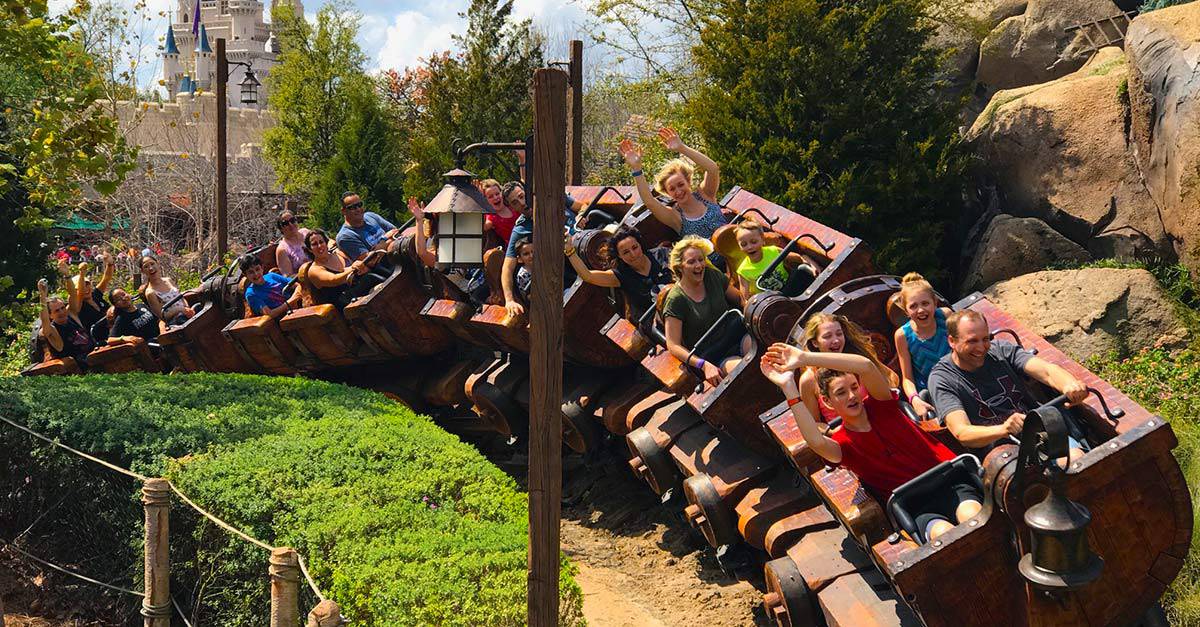
Magic Kingdom needs true expansion—more space, more rides, and more shows. Building out, even incrementally, would relieve crowd pressure across the park. Adding mid-scale attractions that move people efficiently could help balance demand. Stage shows and theater experiences can accommodate hundreds at a time.
Retiring older, low-capacity attractions like Tomorrowland Speedway would also free up valuable real estate for something that can handle higher throughput. Bigger, more innovative ride systems—like those used in the Tower of Terror—could help shorten waits and naturally spread crowds.
Restoring the Magic
Magic Kingdom will always be Disney’s crown jewel, but it’s overdue for meaningful growth. The park needs more than price hikes—it needs space to evolve. True expansion and innovation would give guests the breathing room they’ve been waiting for and help the world’s most beloved theme park stay magical for generations to come.