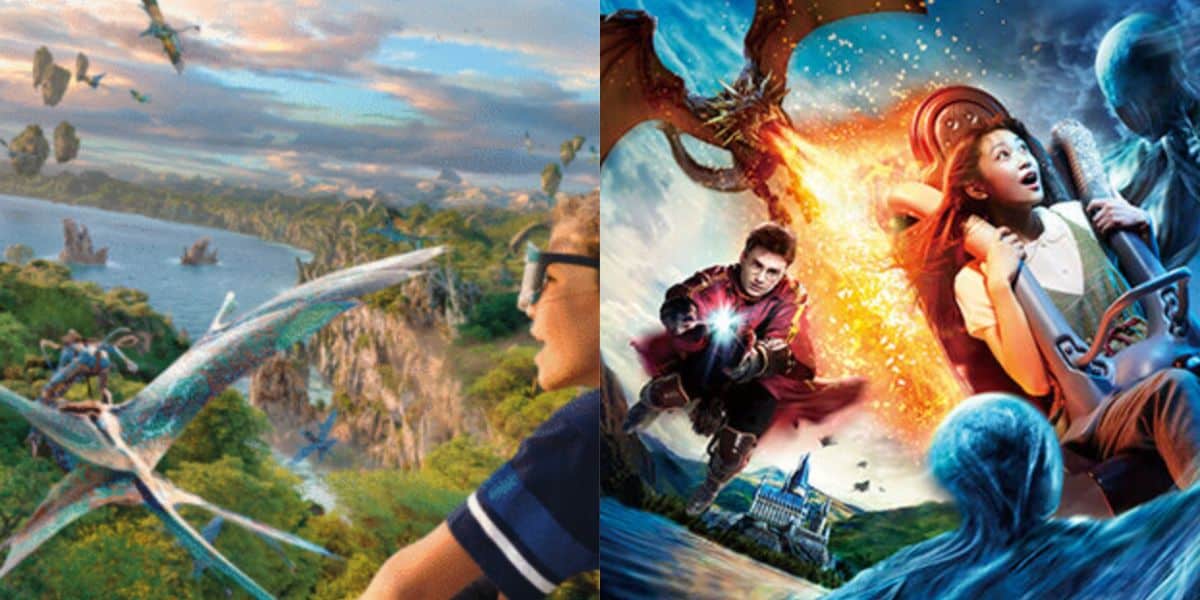
A quiet shift is happening at Disney’s Animal Kingdom, and guests can’t help but draw comparisons to Universal’s Harry Potter attractions. What was once Disney’s shining example of immersive storytelling is now being scrutinized—and fans are beginning to see a familiar pattern.
For years, Disney’s Avatar experience represented the future of theme park technology. But recently, guests have started to notice a decline, the kind that hints something magical might be slipping away.

Pandora’s Promise
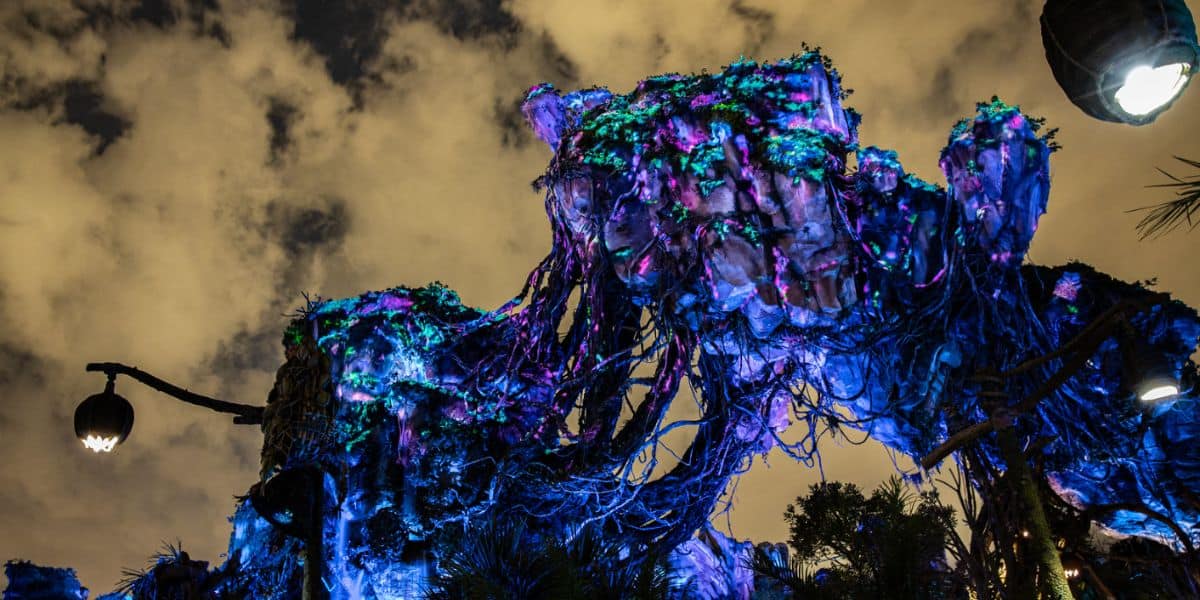
When Pandora – The World of Avatar debuted in 2017, it was nothing short of spectacular. The land’s glowing plants, alien landscapes, and floating mountains looked like something out of another universe. Visitors explored exotic food stands and interactive pathways, but the real star was Avatar: Flight of Passage.
This breathtaking ride delivered an unmatched sense of freedom, letting guests soar on the back of a banshee through Pandora’s wild skies. It became an instant classic—an experience guests called “life-changing.”

Universal’s Magical Blueprint
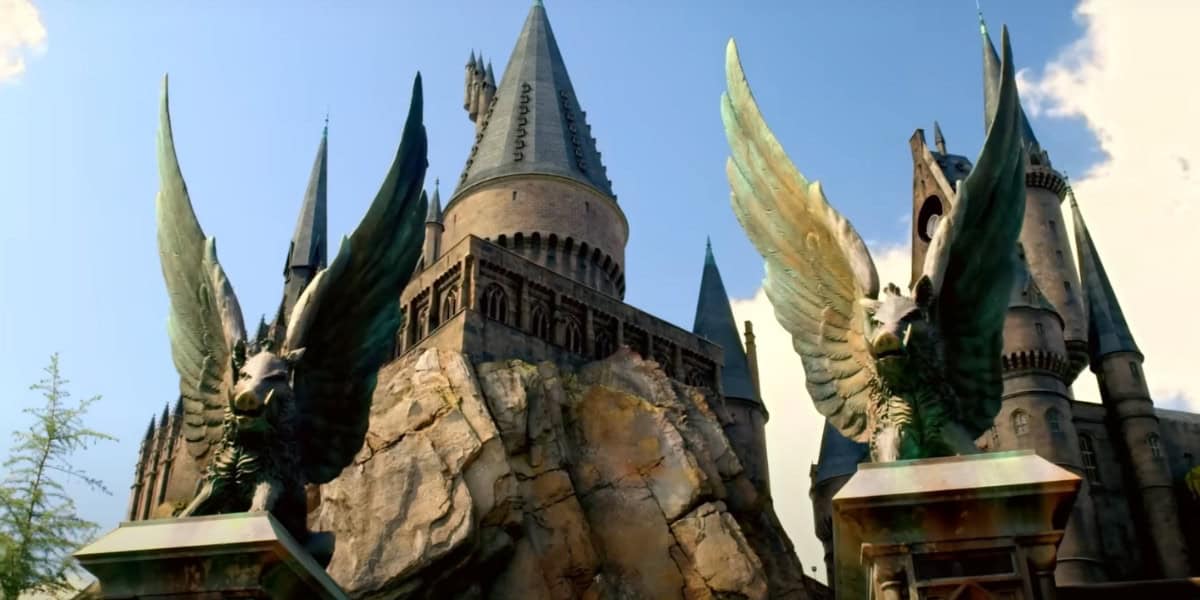
Years before Pandora’s debut, Universal changed the game with The Wizarding World of Harry Potter. The 2010 opening of Hogsmeade at Islands of Adventure stunned the world. Fans could finally live out their Hogwarts dreams—wand shopping, Butterbeer sipping, and castle exploring.
At the heart of the land was Harry Potter and the Forbidden Journey, a ride that used groundbreaking robotic arm technology and massive screens to transport guests straight into The Wizarding World of Harry Potter. It became a benchmark for themed entertainment, setting the tone for the next generation of rides.
Shared Brilliance—and Shared Problems
When Flight of Passage opened, it quickly drew comparisons to Forbidden Journey. Both used advanced screen systems, motion simulators, and atmospheric effects to immerse riders. They were marvels of modern engineering—until now.
Over time, the visuals that once wowed audiences have begun to lose their clarity. Fans are reporting that the screens on both rides appear duller and blurrier than they used to. What once looked cinematic now feels closer to an aging video game cutscene.

Age vs. Expectation
For Universal, this decline isn’t exactly new. Forbidden Journey has been operating for over a decade, and the wear is understandable. Even with dim lighting masking some flaws, it’s clear that the visuals no longer match the attraction’s original glory.
Disney, on the other hand, has less room for excuses. Flight of Passage is newer and was marketed as a technological marvel. Guests expect Disney to maintain that perfection longer than anyone else. Seeing it lose its visual polish so soon has sparked disappointment—and frustration.
A Call to Action
The issue isn’t about the rides losing their fun. Both attractions still deliver heart-pounding adventures and incredible storytelling. However, screen-based experiences require regular updates to remain convincing, and both companies are aware of this.
Replacing projectors, recalibrating effects, and updating resolution quality could restore both rides to the masterpieces they once were. For Disney, especially, doing so would reaffirm its reputation for flawless presentation.
Restoring the Magic
Theme park fans are a loyal group, but they notice when the magic starts to fade. Avatar: Flight of Passage and Harry Potter and the Forbidden Journey remain two of Orlando’s greatest triumphs, but both are overdue for some attention.
Disney and Universal have the power to bring them back to brilliance. Until then, Flight of Passage may have joined Forbidden Journey in an unfortunate club—one where the visuals have dimmed, but the expectations haven’t.