
What was supposed to be an easygoing morning at Walt Disney World turned into an unexpected scene when Monorail Silver suddenly stalled near the Grand Floridian Resort & Spa. Guests nearby watched as dark smoke began drifting upward from one of the joints between the train’s cabins. The smell of burning insulation made it clear that something electrical had gone wrong.

The monorail came to a complete stop just before 9:30 a.m., immediately freezing traffic along the beam. Even though the fire was contained fast, the train’s elevated position made evacuation tricky. Fire crews arrived quickly, coordinating a careful, step-by-step guest removal. People were evacuated in small groups, “a few at a time,” using specialized equipment designed for situations like this. It’s a slow process by necessity, but it keeps everyone safe and steady while descending from the beam.
Evacuation of the monorail outside of GF, 9:40 AM on 11/23
byu/Ok_Satisfaction_4564 inWaltDisneyWorld
Thankfully, no injuries were reported, but the incident caused a significant ripple effect across the resort. The moment Disney secured the train, the entire monorail system—both the Resort Line and Express Line—was temporarily shut down so teams could conduct inspections. The walking path between the Grand Floridian and Magic Kingdom was also closed, adding to the backup as crowds redirected to boats, buses, and ferries.
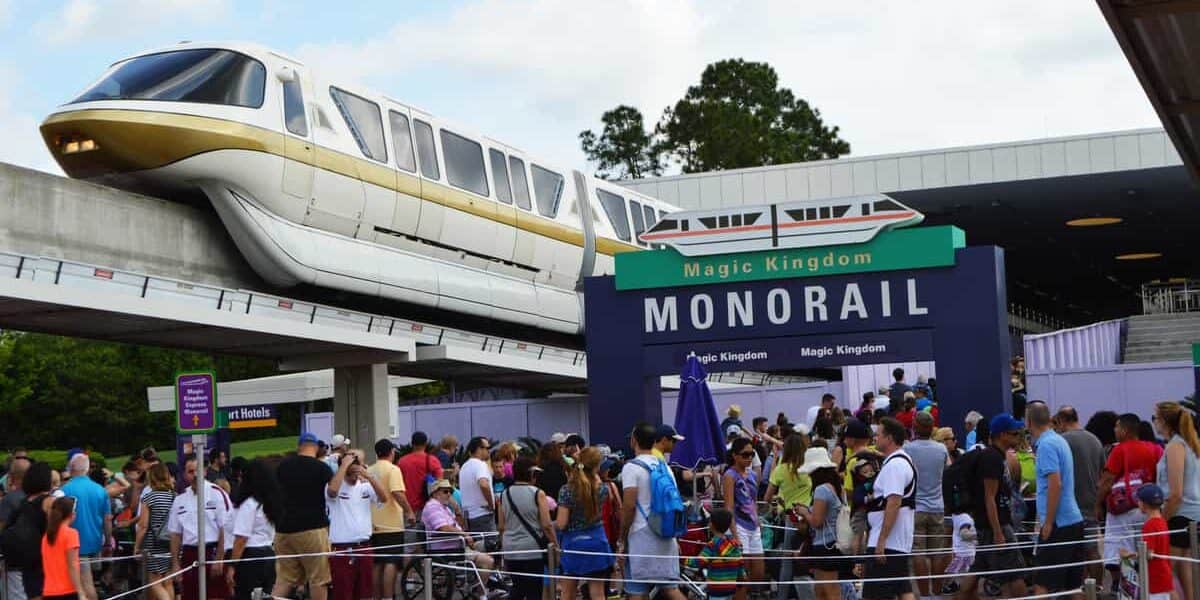
Transportation delays quickly built up, especially during a busy morning window. Guests reported longer waits for alternative travel options while Disney worked behind the scenes to restore normal flow.
Although Disney hasn’t released an official statement yet, the cause appears to be an electrical malfunction involving Monorail Silver. Situations like this are uncommon but serve as a reminder of the demanding maintenance required to keep Disney’s transportation systems running smoothly.

Until everything is inspected and cleared, guests heading to Magic Kingdom and EPCOT are encouraged to rely on alternate routes. Disney typically responds quickly to technical issues, but safety checks always come first—especially when elevated transportation systems are involved.