
Changes to Disability Access Services at Disney
Recent shifts in Disney's Disability Access Services (DAS) have sparked considerable debate and dissent among guests and shareholders alike. The company has tightened the eligibility criteria for the DAS program, which is now primarily available to individuals who are unable to wait in line due to developmental disabilities. This change has adversely affected thousands of families who previously relied on the program, forcing them to endure longer lines or pay for supplemental services, such as Lightning Lane passes.
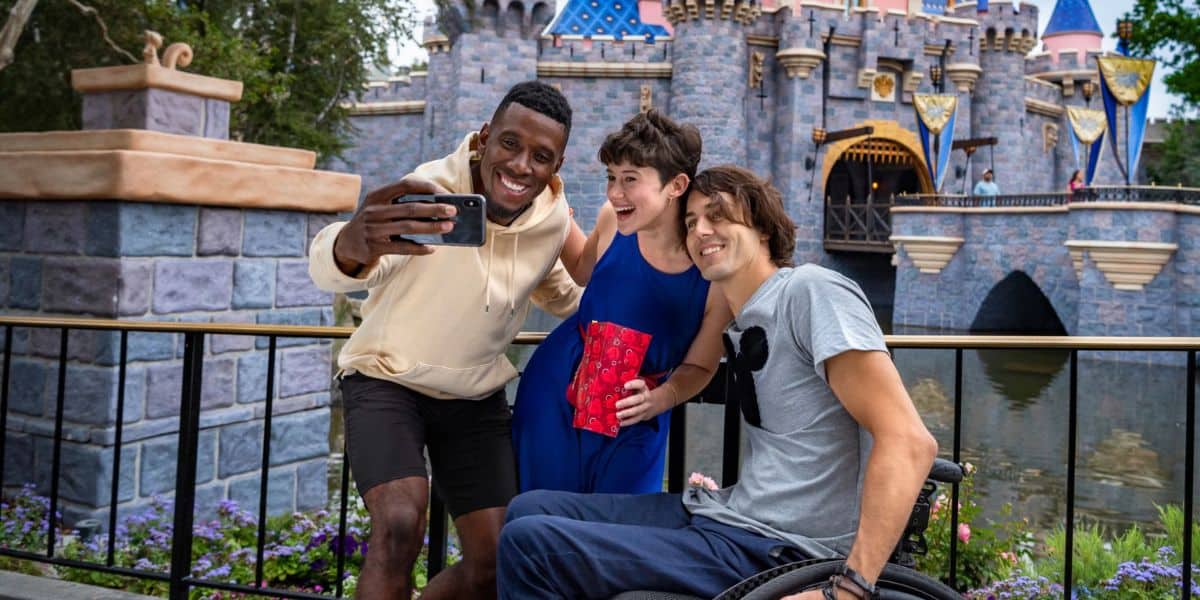
Reports indicate that this shift has not just inconvenienced guests but has also led to noticeable declines in park attendance. Families who relied on the DAS for a smoother experience are particularly affected, recalling their once-joyful visits that are now marred by anxiety over wait times and service limitations. The implications of these changes extend beyond guest experiences, directly correlating with investor sentiments regarding the company's performance and future growth potential.
Investor Response and Calls for Change
The backlash from investors regarding the changes to the DAS program has reached significant heights. Shareholders are concerned that these modifications have contributed to a drop in attendance, which in turn is detrimental to Disney’s stock performance. In response, a proposal is being put forth urging Disney to engage an independent commission to review the altered DAS policies. This movement, backed by a coalition known as the DAS Defenders, aims to frame the issue within a broader context of inclusivity and corporate responsibility.

Investors are increasingly vocal about their dissatisfaction, pushing for changes that restore access and enhance the overall experience for all park visitors. The potential implications for Disney’s stock performance cannot be understated; as attendance wavers, so does investor confidence. The upcoming shareholder meeting is poised to be a pivotal moment at which these concerns can be formally voiced and considered.
Disney's Justifications for Current Practices
Despite mounting pressure, Disney remains steadfast in defending its current policies regarding the DAS program. The company attributes the decline in park attendance to external factors, such as economic downturns and natural disasters, asserting that these influences are not directly related to the revised access policies. Disney claims it is committed to ensuring operational integrity and believes adjustments driven by investors could undermine day-to-day management and strategic direction.
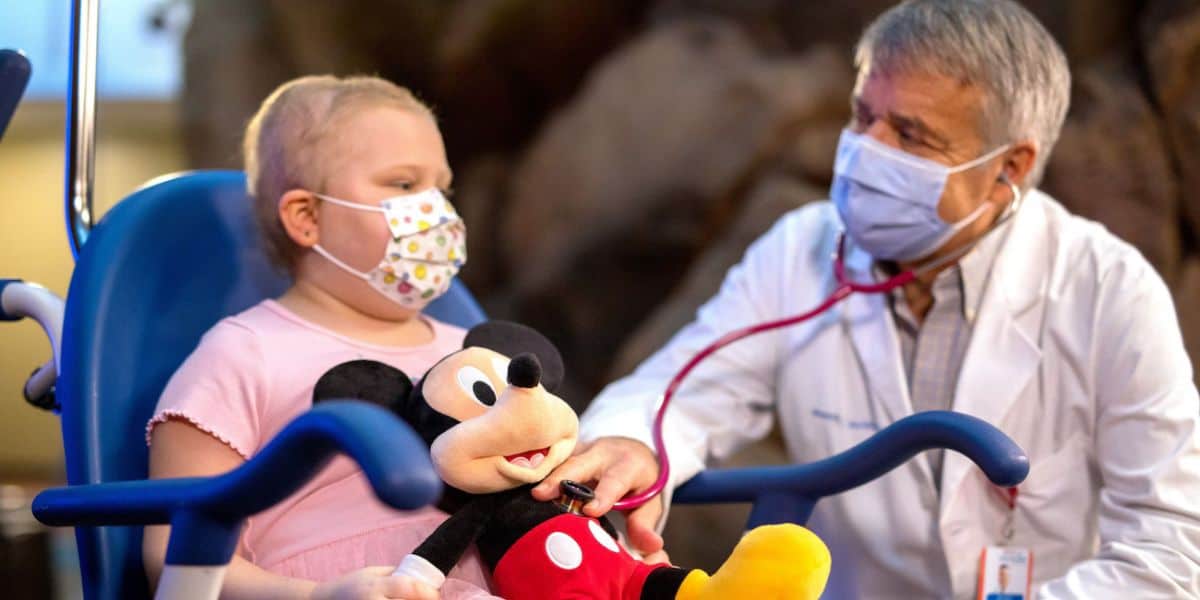
Management’s defense also includes concerns about potential legal ramifications from any reimplementation of prior access criteria, given past controversies associated with the DAS program. Even so, it is clear that the disconnect between operational definitions of disability and the lived experiences of many families continues to stir dissatisfaction among both advocates and investors.
Comparisons with Universal's Accessibility Policy
As Disney grapples with these challenges, industry comparisons with Universal's DAS program emerge as a focal point. Universal’s approach is viewed as more inclusive, offering policies that are easier to navigate for guests who need assistance. This inclusive framework allows patrons to access accommodations by presenting certifications from accredited organizations, substantially minimizing fraud—a concern that plagued Disney’s former DAS system.

Investors and advocates alike indicate that lessons from Universal could inspire a re-evaluation of Disney’s current practices. By considering a model that balances accessibility with integrity, Disney could enhance experiences for its neediest guests and potentially see improvements in both attendance and stock performance.
The ongoing discourse surrounding changes to Disney’s DAS program illustrates critical issues of fairness and accessibility in theme parks. As stakeholders await the results of any proposed review and potential policy shifts, investors' eyes will remain firmly fixed on whether Disney can adapt to the pressing needs of its diverse clientele while safeguarding its business interests.