Netflix is waving goodbye to the Wizarding World.
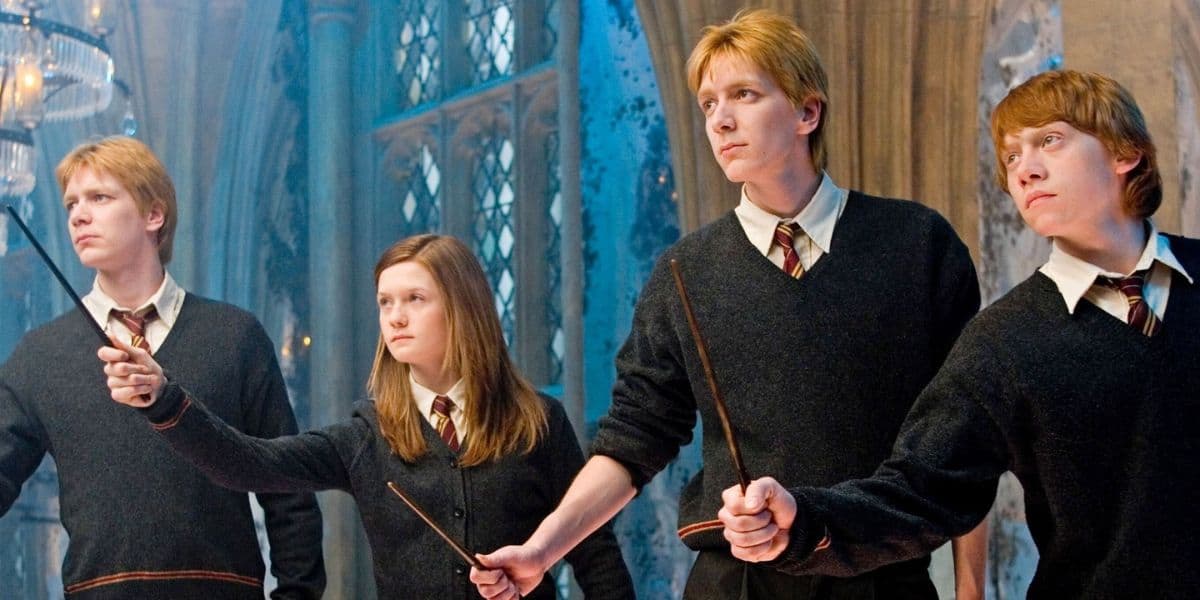
UK subscribers closed out 2025 with a final chance to stream the Harry Potter films, as all eight movies left Netflix on December 31. As 2026 begins, fans in the region will need to look elsewhere to watch the series.
The removal is not unusual in streaming, but it comes at a moment of major industry change, drawing attention to how the biggest media companies are navigating content ownership and licensing.
The Harry Potter films, adapted from J.K. Rowling’s novels between 2001 and 2011, helped define modern franchise filmmaking. Across eight movies, audiences followed Daniel Radcliffe’s Harry Potter from his first encounter with the wizarding world to the final battle with Ralph Fiennes’ Lord Voldemort. Emma Watson and Rupert Grint, as Hermione Granger and Ron Weasley, provided consistency as the story—and cast—grew over a decade.

Directorial shifts also shaped the franchise’s evolution. Chris Columbus, Alfonso Cuarón, Mike Newell, and David Yates each contributed unique styles, transitioning the series from light-hearted fantasy to darker, more mature themes. The progression reflected the characters’ journeys and kept the films engaging for a broad audience.
Financially and culturally, the impact was enormous. The films grossed more than $7.7 billion globally and drove billions more in home entertainment revenue, with DVD and Blu-ray sets among the best-selling in history. The Wizarding World also expanded into stage productions like Harry Potter and the Cursed Child, prequel films under the Fantastic Beasts banner, and theme park attractions that continue to attract millions.
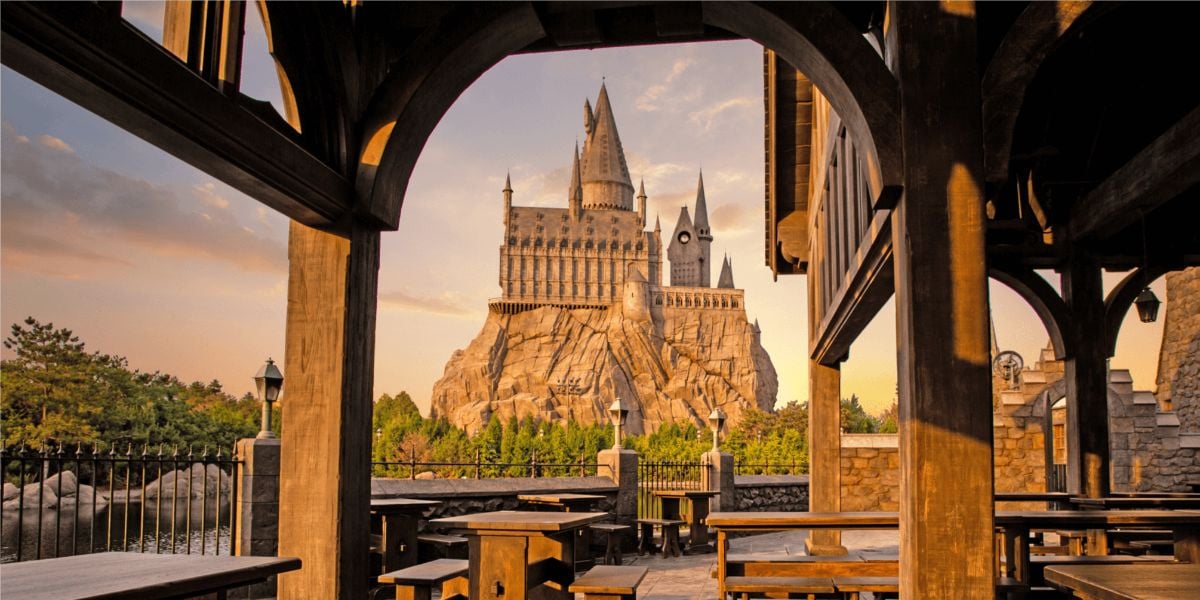
Universal’s Wizarding World lands notably boosted attendance at Universal Orlando Resort, emphasizing the franchise’s influence far beyond cinema screens.
Netflix’s decision to rotate the films out of its UK catalog is standard for non-original titles. Depending on region, other platforms, including HBO Max and Peacock, currently carry the series in the U.S. This rotation strategy maximizes exposure and value for high-profile IP.
The timing intersects with Netflix’s planned $82.7 billion acquisition of Warner Bros. Discovery. Pending regulatory approval, the deal would integrate Warner Bros.’ film and TV divisions and HBO into Netflix’s expanding portfolio, while WBD’s linear networks are set to separate in 2026. Corporate messaging has emphasized that franchises like Harry Potter will be key to Netflix’s long-term content strategy.
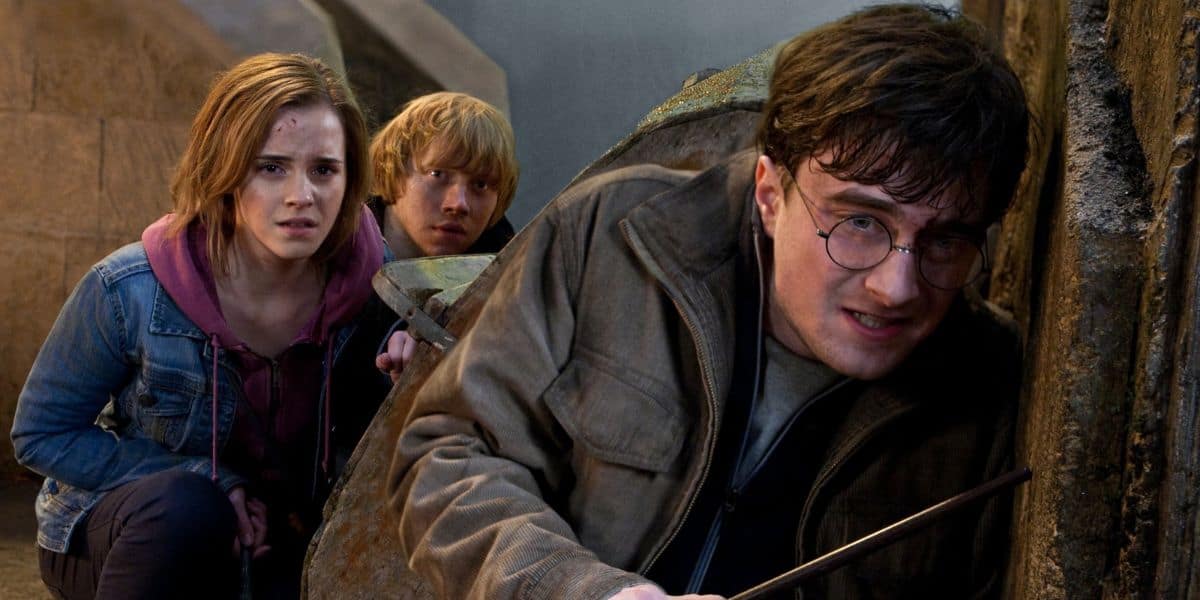
Materials reportedly place the Wizarding World alongside original hits such as Stranger Things, signaling the company’s intent to keep the property prominent. Netflix executives have also committed to continuing theatrical releases for its acquired content. Forecasts suggest Wizarding World titles will remain in the top five most-viewed legacy franchises globally for at least the next decade.
The future also hinges on HBO’s upcoming Harry Potter television series, slated for a 2027 release. The adaptation promises a faithful, decade-long approach with one book per season. Casting has been confirmed for Dominic McLaughlin as Harry, Arabella Stanton as Hermione, Alastair Stout as Ron, and John Lithgow as Dumbledore.
However, Lord Voldemort has yet to be cast. According to industry insider Daniel Richtman, HBO may consider both male and female actors for the role—a potential reimagining of the character famously played by Ralph Fiennes in the films. Online discussions are already active, given Voldemort’s early fragmented appearances, including his first incarnation on the back of Professor Quirrell’s head, played by Ian Hart in 2001.
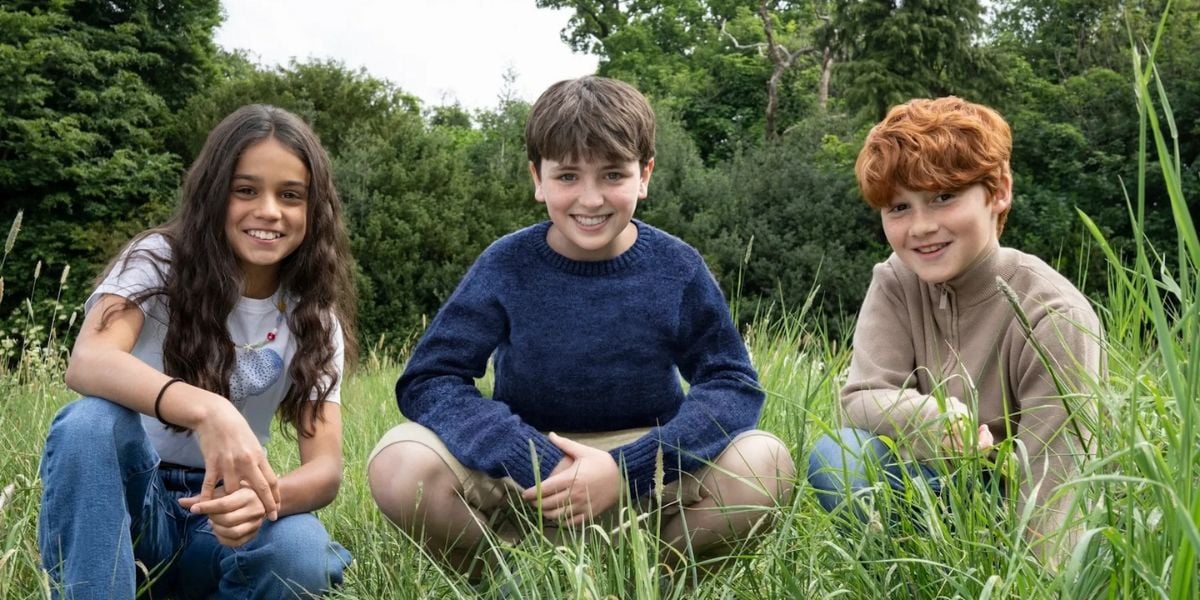
With a longer series format, HBO has the space to explore parts of the story the films could only touch on. This includes Voldemort’s years as Tom Riddle, his transformation into a dark wizard, and additional plotlines involving Hogwarts staff and the wizarding political landscape that were previously omitted.
Netflix’s UK removal is more of a pause than a conclusion. With acquisitions, new series, and storylines in development, the Wizarding World continues to adapt, showing that Harry Potter remains a vibrant part of pop culture decades after the original films debuted.
How do you feel about how the Harry Potter franchise is shaping up? Let us know in the comments below.