When Disney adjusts fireworks times, it doesn’t just move a show — it shifts the entire ecosystem of Magic Kingdom.
That’s exactly what’s happening this spring.
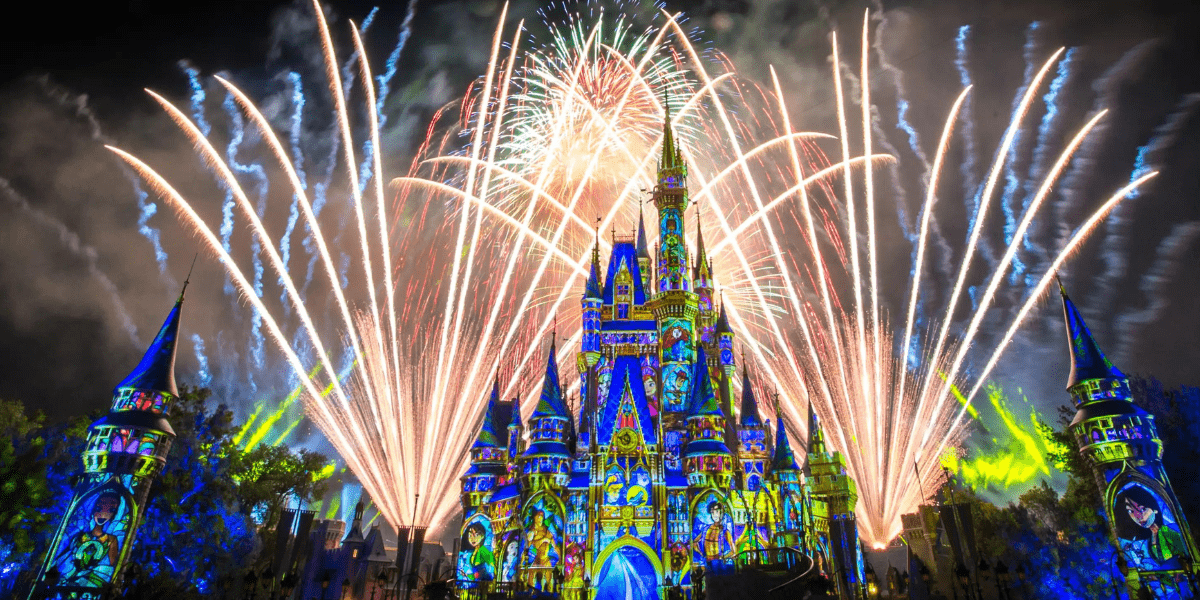
Happily Ever After is officially transitioning to later performance times, and while the headline may read like a minor scheduling tweak, the ripple effect across dining, ride wait times, and crowd flow is significant.
Let’s break down what changed — and how it alters your strategy.

Phase One: March Adjustment
Currently, Happily Ever After is scheduled for 9:00 p.m.
Beginning March 8, that moves to 9:30 p.m.
A 30-minute difference may not seem drastic, but it reshapes the final hours of the park day. Guests who typically secure dinner reservations around 7:00 p.m. will now find a longer gap between dessert and fireworks. Attractions that once saw moderate waits at 8:15 p.m. could experience heavier traffic as guests fill that extra time.
Even crowd positioning on Main Street, U.S.A. will shift. Guests tend to stake out spots 60–90 minutes before showtime. That means hub congestion may now peak closer to 8:30 p.m. rather than 8:00 p.m.
Phase Two: April Escalation
The more dramatic change arrives April 19, when Happily Ever After moves again — this time to 10:00 p.m.
Disney’s calendar currently displays dates through April 26 with that later showtime locked in. Beyond that, Disney has not confirmed whether 10:00 p.m. remains the standard or if a slight rollback occurs.
Historically, though, longer daylight hours support later fireworks. As summer approaches, 10:00 p.m. performances are common.
This means the final two hours of Magic Kingdom operations will look very different than they do today.
Attraction Wait Time Shifts
Fireworks function as a crowd magnet. When the show begins, standby wait times at major attractions often dip because thousands of guests cluster around Cinderella Castle.
With fireworks moving to 10:00 p.m., those dips shift later into the evening. Guests who once relied on 8:45 p.m. ride windows may now need to adjust to 9:45 p.m. opportunities.
For planners leveraging Lightning Lane or standby timing strategies, this matters.
Dining and Transportation Impacts
Late fireworks affect more than ride strategy.
Table-service reservations near park closing will likely push later as well. Restaurants may fill prime slots differently. Quick-service demand could spike in the 8:00–9:00 p.m. range as guests attempt to eat before securing fireworks spots.
Then comes transportation.
A 10:00 p.m. fireworks show means thousands of guests exiting between 10:20 and 10:45 p.m. Bus lines lengthen. Ferry and monorail waits increase. Resort arrival times inch closer to midnight.
If you’re traveling with children — or simply prefer an early start the next morning — this ripple effect is real.
The Disney Starlight Variable
Complicating the strategy shift even further, the new Disney Starlight parade currently has no listed performance times on the official calendar after March 14.
Disney recently adjusted parade operations, so additional times are expected. However, until they appear, guests are planning without confirmed data.
If Starlight returns with altered showtimes to complement the later fireworks, that could further reshape evening crowd flow.
For now, Disney has not formally announced updated parade schedules.
The Bigger Picture
None of these changes feel random.
Longer daylight hours, spring break demand, and summer planning cycles all support later nighttime entertainment. From a production standpoint, darker skies enhance projection mapping and fireworks visibility.
From a strategy standpoint, though, guests need to adapt.
If you’re visiting Magic Kingdom between March 8 and late April, check the calendar frequently. Shift dining times. Reevaluate attraction priorities. Plan for later transportation.
The magic still happens at the end of the night.
It just happens later now.