Disney fans are used to hearing about bigger screens, smarter ride systems, and more advanced effects. The company built much of its reputation on finding new ways to make attractions feel more immersive than what came before. For years, 3D was one of the clearest examples of that mindset.
Now Disney seems to be changing course, and it is doing so very quietly.
Instead of adding more layers to every attraction, the company appears to be removing one. In some cases, that means taking away the glasses that once felt like a key part of the ride experience. It is a subtle shift, but it stands out because 3D has been so closely tied to Disney’s modern attraction design.
At first, losing that effect might sound like a downgrade. But the bigger picture suggests Disney may simply be choosing a different path.
New Technology Can Replace Old Tricks
Disney’s ride systems do not stay frozen in time. As technology improves, the company updates its attractions to keep them feeling current. Sometimes that means adding something new. Other times, it means letting go of an older effect that no longer feels necessary.
That seems to be happening here.
Projection technology has improved dramatically. Screens look crisper, visuals feel more convincing, and ride systems themselves now do more of the storytelling heavy lifting. Trackless vehicles can move with precision. Motion simulators feel more natural. Physical environments and projection effects blend more smoothly than they once did.
Because of those upgrades, Disney may no longer need 3D as much as it did in the past. What used to help create depth can now be replaced by sharper visuals and better overall design. Rather than clinging to a once-impressive tool, Disney appears more willing to modernize the experience.

Disney Still Has Major 3D Attractions
That is what makes this moment so interesting. 3D is still deeply woven into Disney parks.
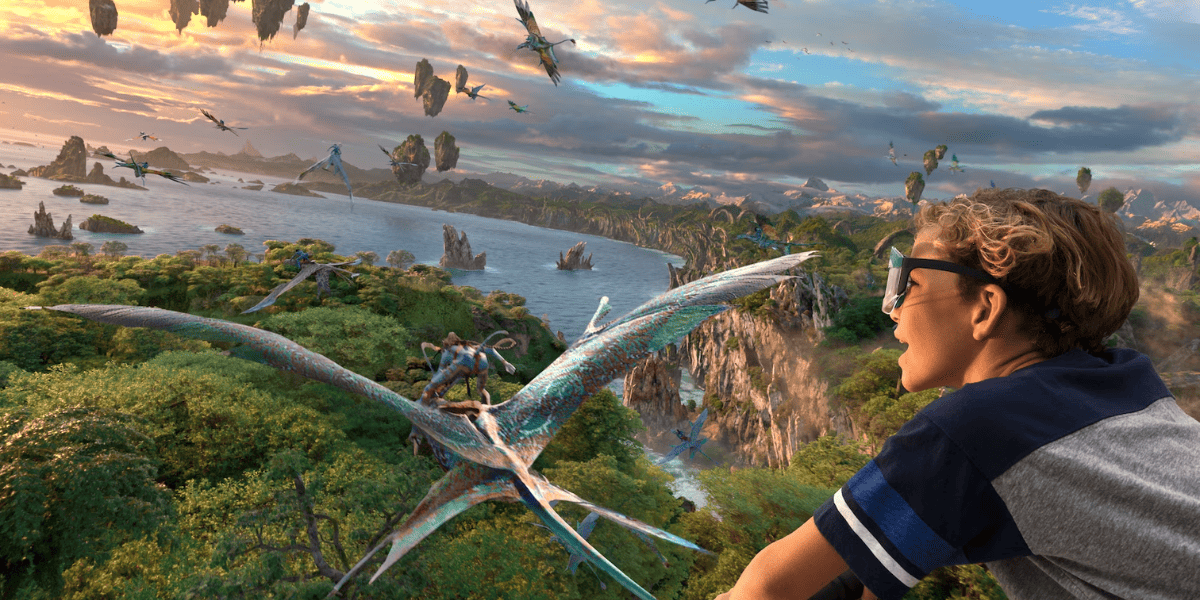
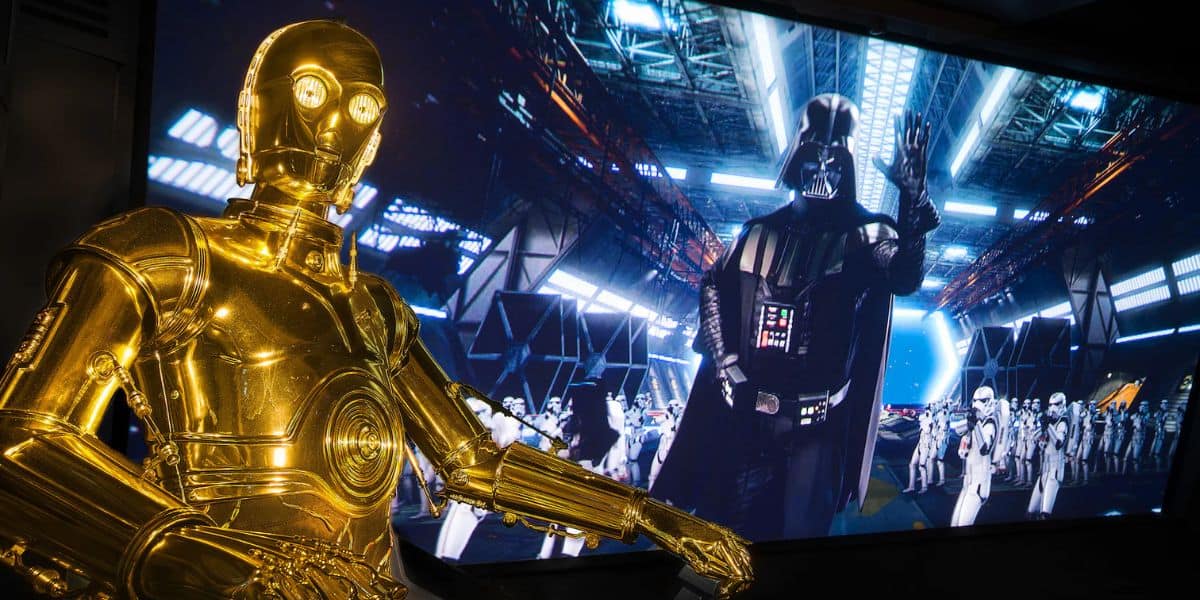
Avatar: Flight of Passage at Animal Kingdom uses 3D projection to create the feeling of soaring through Pandora. Toy Story Mania! At Hollywood Studios, the gameplay turns into a colorful 3D competition. Star Tours – The Adventures Continue still puts riders in the middle of a galactic adventure using 3D visuals.
Those rides helped make 3D feel like a standard part of the Disney playbook. Across the parks, theater attractions, simulators, and interactive experiences have all used that same approach to make digital worlds feel more engaging.
So when Disney begins moving away from that formula, even in one high-profile example, people take notice.
EPCOT Offers the Clearest Example Yet
The strongest sign of this shift came at Remy’s Ratatouille Adventure in EPCOT.
When the attraction debuted, 3D glasses were part of the experience. They helped the oversized kitchen environment feel more dramatic as guests followed Remy through the chaos in trackless ride vehicles. The combination of physical sets and projected scenes created the illusion that riders had shrunk down into Remy’s world.
That setup has now changed.
Guests no longer need glasses to experience the attraction. The ride still uses screens and sets, but Disney adjusted the presentation so the adventure works in 2D. That change makes the attraction feel more straightforward and opens the door to larger questions about whether Disney could make similar updates elsewhere.

Why Removing 3D Makes Sense
There are several practical reasons Disney may want to head in this direction. Guest comfort is a top concern. Attractions that combine motion, screens, and 3D effects can leave some riders feeling nauseous or off-balance. Even guests who enjoy thrill rides sometimes struggle when stereoscopic visuals are introduced.
Sanitation is another factor. Shared glasses create extra handling, extra cleaning, and one more operational step during a busy day in the parks. On top of that, some guests simply prefer not to wear shared eyewear.
Then there is maintenance. 3D systems need proper calibration, and when that alignment slips, the visuals can quickly look blurry or uncomfortable. As screens age and upkeep becomes more demanding, Disney may see an easier path in updating attractions to work without that added complication.
Disney May Be Choosing Smoothness Over Gimmicks
None of this means Disney is walking away from immersive storytelling. If anything, it suggests the company wants the experience to feel more seamless.
When guests can board an attraction without stopping for glasses, worrying about blurry visuals, or adjusting extra equipment, the story can start more naturally. That simpler process may not look as flashy on paper, but it can improve how the ride actually feels.
Whether Disney expands this effort to other attractions remains an open question. Still, the shift at Remy’s Ratatouille Adventure shows that the company is willing to rethink technology that once seemed essential.
And for a brand that has always adapted with the times, that may be the biggest sign of all: Disney is still chasing immersion, just with fewer extras in the way.