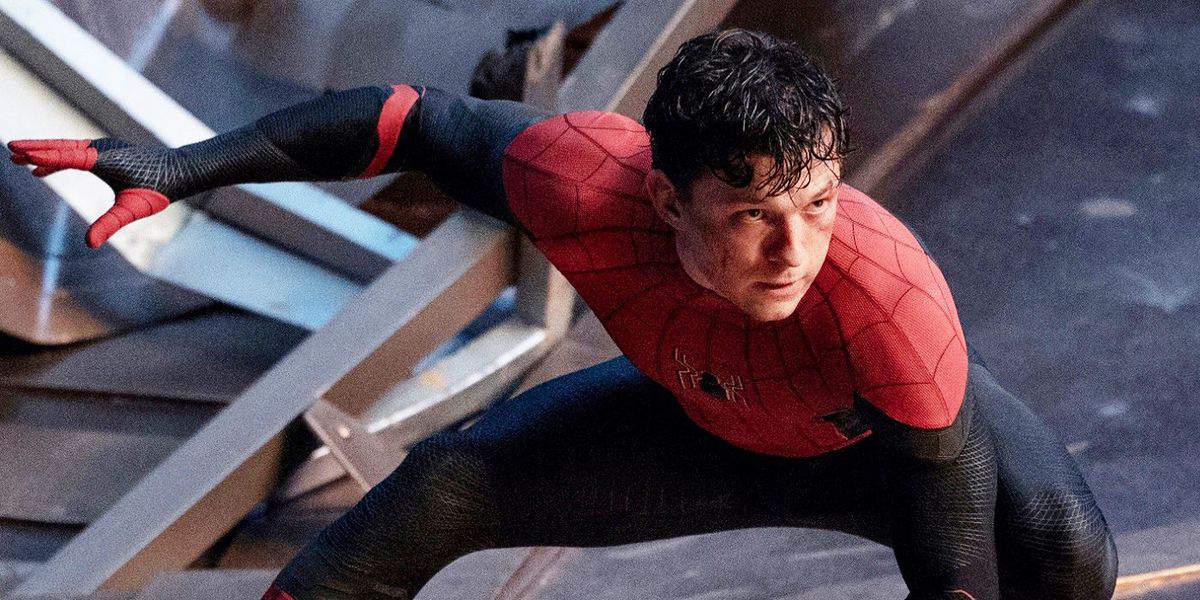
Spider-Man is heading into unfamiliar territory as Marvel Studios and Sony Pictures prepare to release Spider-Man: Brand New Day (2026), a film that reshapes both the character and the wider MCU. In a franchise built on continuity, this installment stands out by breaking away from the past.
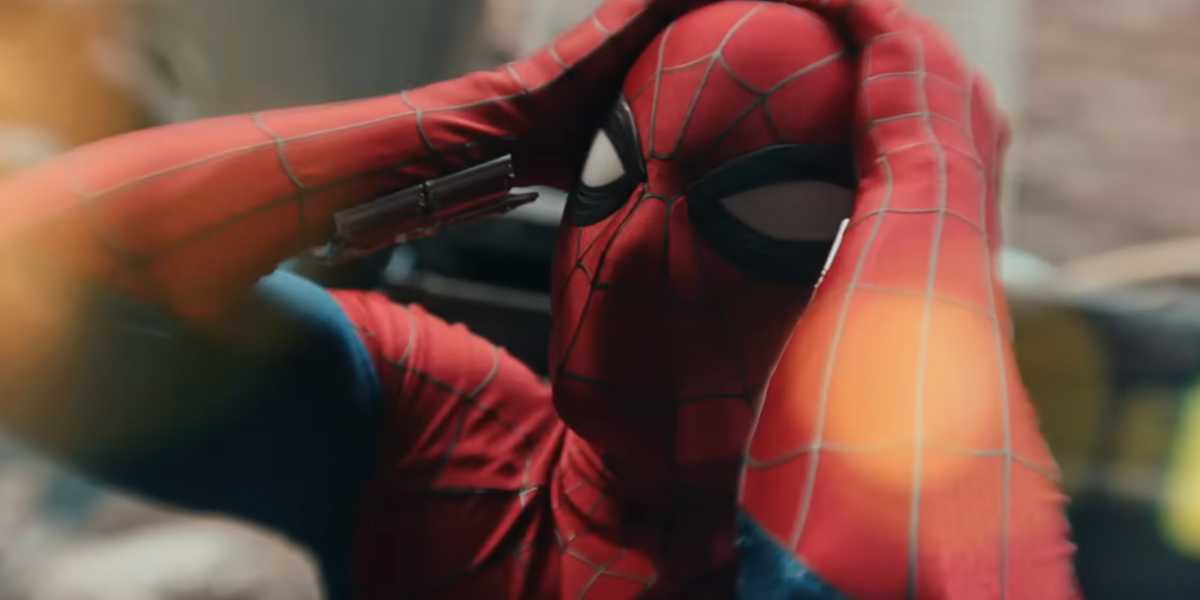
For over a decade, Marvel’s cinematic universe has thrived on interconnected storytelling. However, the reception to its more recent phases has revealed growing pains.
Captain America: Brave New World (2025) delivered steady box office numbers despite production setbacks, while Thunderbolts* (2025) earned positive reviews but fell short commercially. Deadpool & Wolverine (2024) proved a major hit, but Ant-Man and the Wasp: Quantumania (2023) and The Marvels (2023) struggled to find similar success. Even Spider-Man: No Way Home (2021), once a defining moment, hasn’t entirely offset concerns about oversaturation.
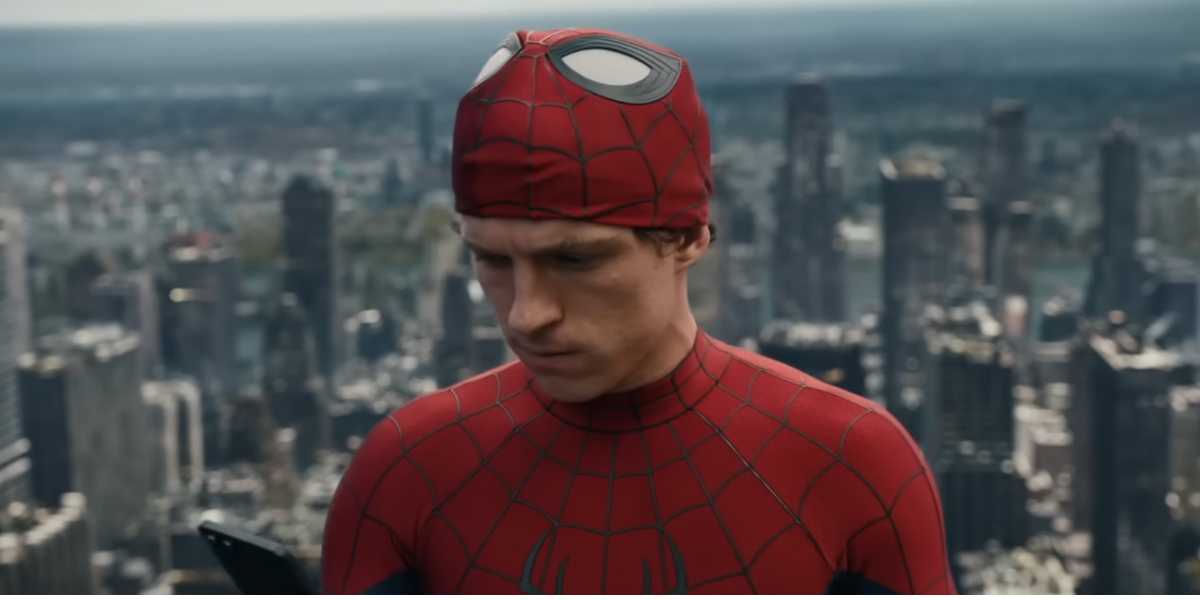
Upcoming projects suggest a blend of reinvention and familiarity. The Fantastic Four: First Steps (2025) introduced key elements for the next era, while Robert Downey Jr.’s return as Doctor Doom adds intrigue. Joe and Anthony Russo’s involvement in Avengers: Doomsday (2026) further signals a strategic pivot.
The directors explained their outlook: “What’s compelling about these two new Avengers movies is that they’re a beginning. It’s a new beginning. So we told an ending story, now we’re going to tell a beginning story.” Rather than serving as conclusions, Doomsday and Avengers: Secret Wars (2027) are intended to launch a new chapter.
But Spider-Man won’t be part of that ensemble—at least not immediately.

Tom Holland’s reported absence from Avengers: Doomsday marks a notable shift. Instead, Spider-Man: Brand New Day seemingly unfolds in parallel, focusing entirely on Peter’s personal journey. The film continues the story after Spider-Man: No Way Home, where Peter sacrificed his identity to repair the Multiverse. Four years later, the consequences remain.
The synopsis makes it clear: “Four years have gone by since we last caught up with our friendly neighborhood hero. Peter Parker is no more, but Spider-Man is at the top of his game…” Without relationships or recognition, Spider-Man exists solely as a symbol.
Tom Holland has described the film as a reinvention. Speaking at the trailer’s debut atop the Empire State Building, he said: “I think the movie feels, tonally, like a fresh start. What Peter Parker is going through post Spider-Man: No Way Home is really profound and unique to the superhero genre.”
He continued: “It’s a movie about when young people really find their identity and become adults. Having been through that as a person, it really gave me a great insight into how to bring Peter Parker to life with this new chapter that he’s embarking on.”
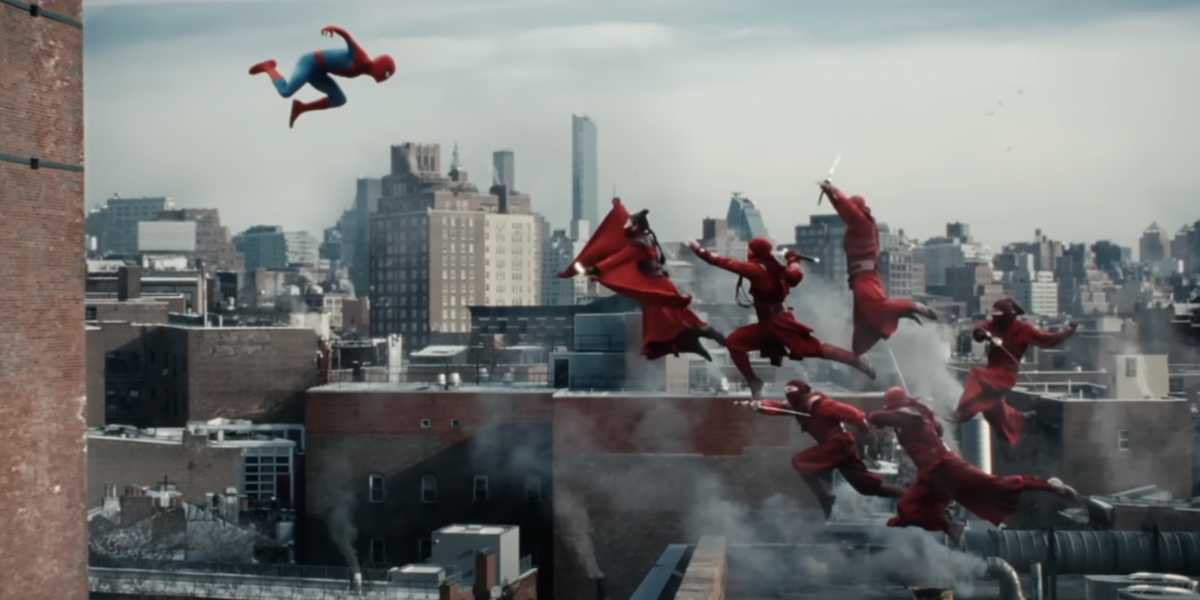
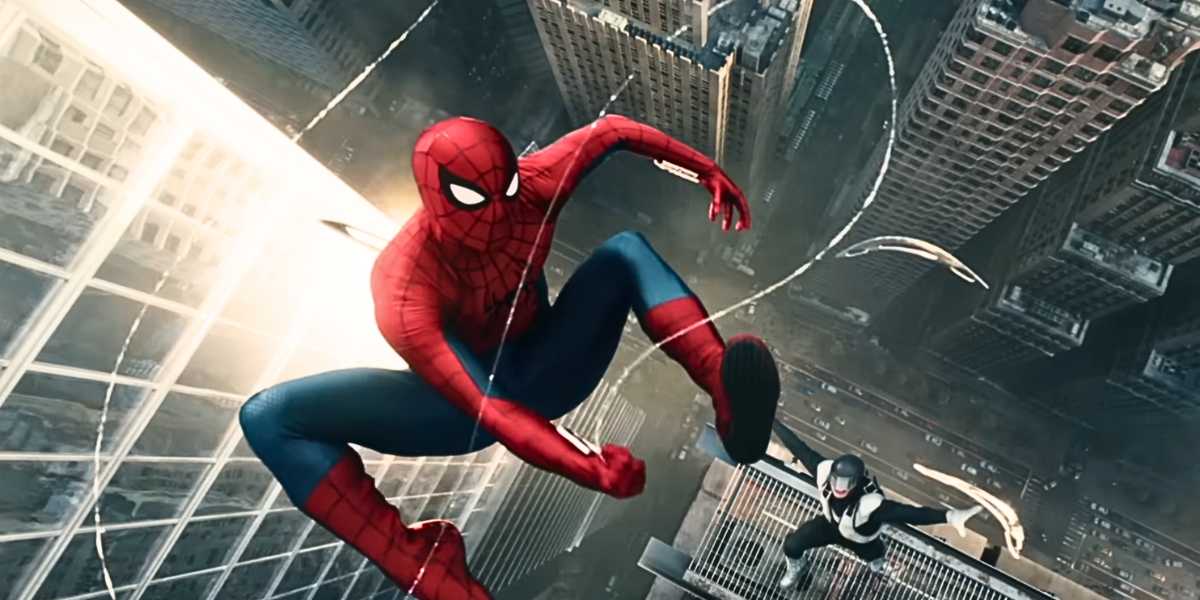
Unlike earlier films centered on mentorship and legacy, this installment leans into independence and identity. The trailer presents a version of Spider-Man that feels increasingly unpredictable. While it opens with familiar action sequences, a more unsettling narrative quickly emerges.
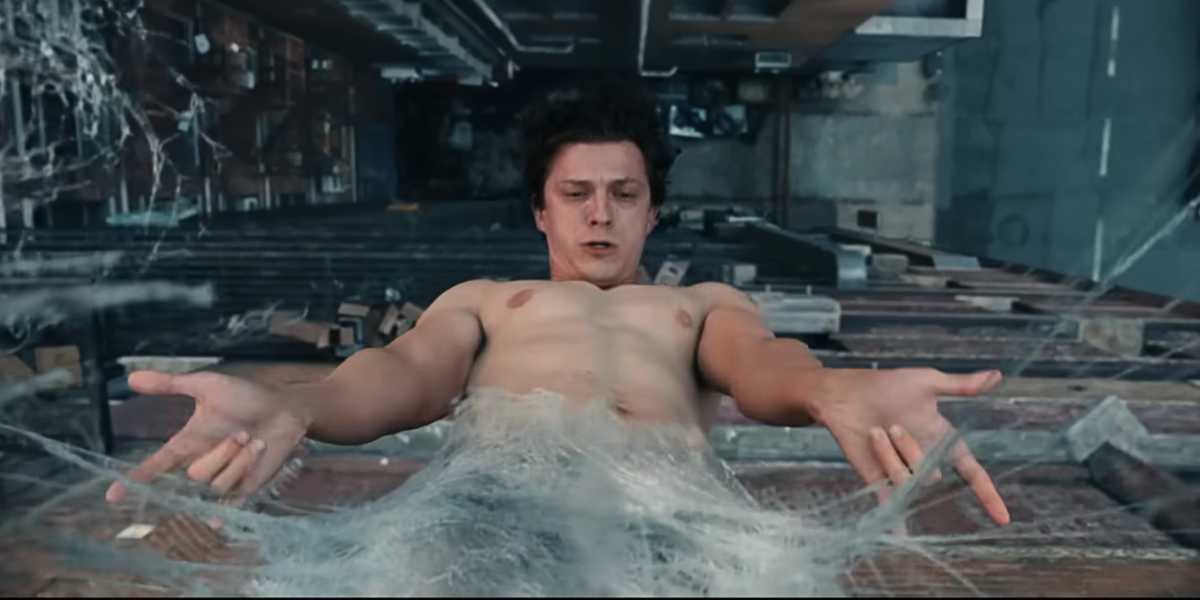
Peter appears to be tracked as his powers evolve. Organic webbing replaces his usual tech, while disturbing visuals—cocoon formations and erratic movements—hint at a deeper transformation.
The story draws from The Other comic arc. As Gizmodo notes: “After an apparently fatal encounter… Peter finds himself undergoing a mystical rebirth, shedding his old body and re-emerging from a giant webbing cocoon…” This concept is reflected in the trailer, which includes the line: “And for those who make it through, it amounts to a kind of rebirth.”
Even with its heightened elements, the film maintains a grounded setting. Jon Bernthal’s Frank Castle/Punisher introduces a harsher perspective, contrasting Spider-Man’s ideals.
Zendaya’s MJ and Jacob Batalon’s Ned Leeds return, now living at MIT without any memory of Peter. Meanwhile, threats escalate with Scorpion, Tombstone, and teases of villains like Boomerang and Tarantula. The Hand’s involvement points to a larger narrative at play. Mark Ruffalo’s Bruce Banner appears in a new role as a college professor, potentially guiding Peter as his condition worsens.
Spider-Man: Brand New Day reframes the character at a fundamental level. With Peter Parker erased from the world’s memory, Spider-Man moves forward alone, shaped by loss and responsibility. As Marvel builds its next phase, this film may serve as a key step in redefining the franchise’s direction. Spider-Man: Brand New Day opens July 31, 2026.
How do you feel about these changes for Spider-Man in the MCU? Let us know in the comments down below!