

Sony’s Spider-Man franchise is heading into a period of reinvention, with major announcements pointing to sweeping changes across its live-action and animated projects.
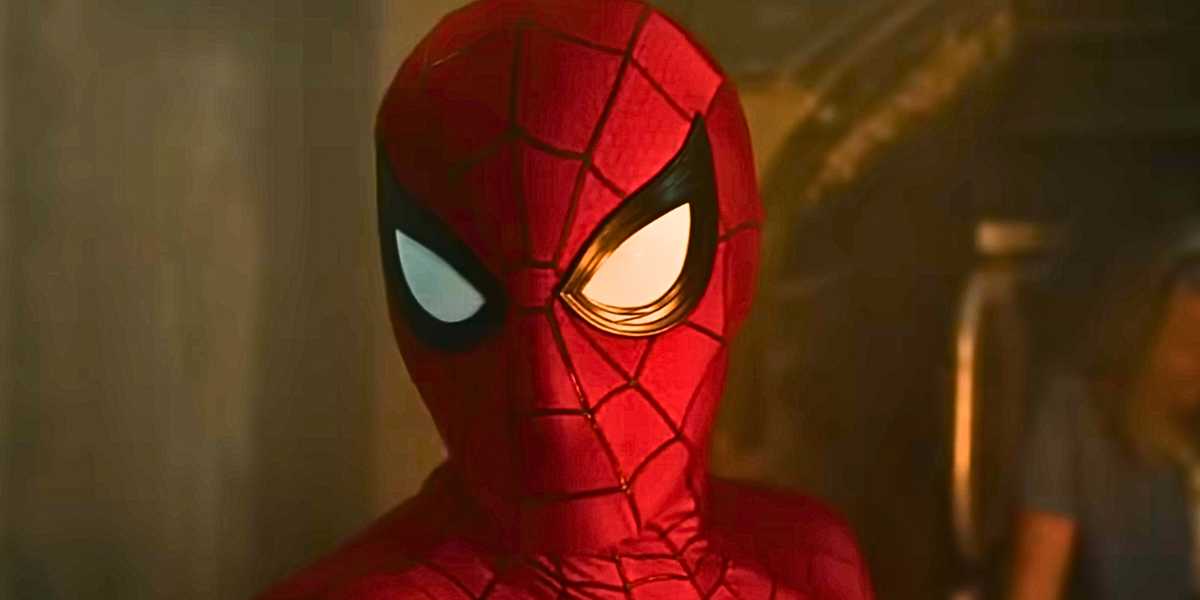
For years, Spider-Man has remained one of the most recognizable figures in entertainment, thriving across multiple formats and interpretations. From Tom Holland’s portrayal in the Marvel Cinematic Universe to the animated rise of Shameik Moore's Miles Morales, audiences have had no shortage of Spider-Man stories to follow.
That familiarity, however, is about to be disrupted.
Sony Pictures will present at CinemaCon 2026, taking place April 13–16 at The Dolby Colosseum at Caesars Palace in Las Vegas. During the event, the studio is expected to showcase its upcoming releases, including Spider-Man: Brand New Day (2026) and Spider-Man: Beyond the Spider-Verse (2027).
In addition, Sony has confirmed that its attempt at building a shared universe tied to Spider-Man characters is being reworked, signaling a major shift behind the scenes.

At the center of these changes is Spider-Man: Brand New Day (2026), a film that is being positioned as a turning point for Peter Parker.
Marvel Studios has experienced fluctuating results in recent years. While certain projects like Deadpool & Wolverine (2024) have delivered strong returns, others have struggled to match earlier successes. Even Spider-Man: No Way Home (2021), despite its acclaim, didn't entirely ease concerns about long-term audience engagement at the time of its release.
Recent films such as The Fantastic Four: First Steps (2025) and the upcoming Avengers: Doomsday (2026) are being framed as the beginning of a new phase. Notably, Spider-Man will reportedly not be a central figure in the next Avengers story, marking a notable change in direction. Instead, Brand New Day shifts focus inward.
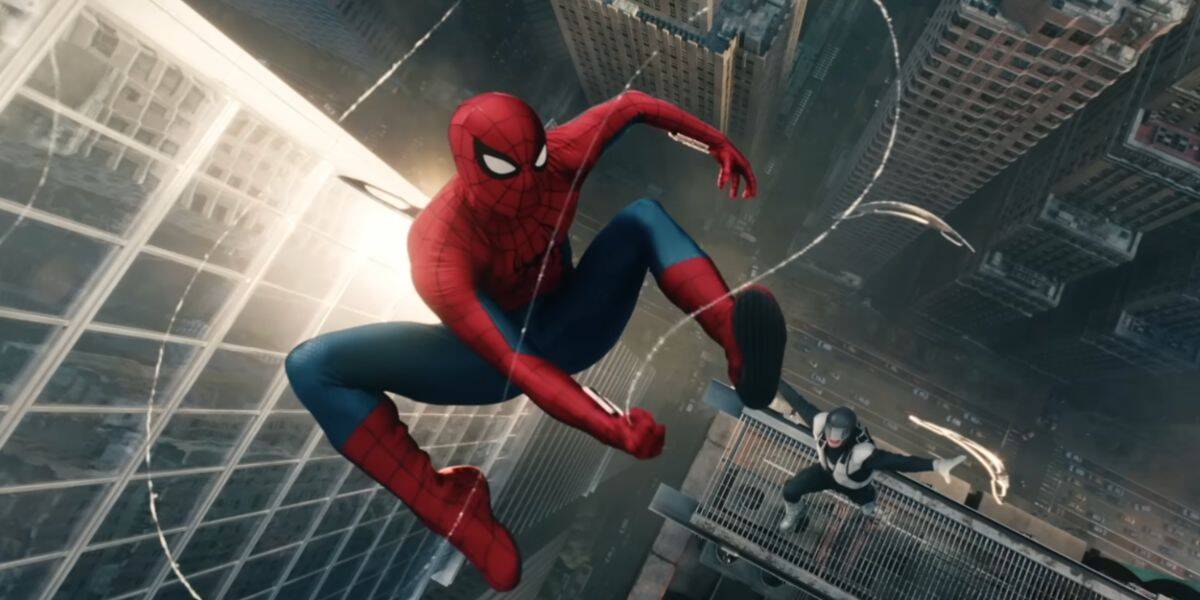
The story takes place four years after No Way Home, in a world where Peter Parker has been erased from memory. Spider-Man still operates, but without the personal connections that once defined his journey. It’s a more solitary version of the character, one navigating adulthood without a support system.
Tom Holland has referred to the film as a “fresh start,” and early footage hints at a darker tone. His abilities appear to be evolving, with organic webbing replacing the technology seen in earlier films.
Drawing from Marvel Comics’ “The Other,” the film incorporates themes of rebirth and transformation. At the same time, it keeps its focus on grounded storytelling, showing how characters like MJ (Zendaya) and Ned (Jacob Batalon) have moved forward without Peter. New villains, including Scorpion and Tombstone, add further complications.

While Peter Parker’s story is being reshaped, Miles Morales’ journey is approaching its conclusion.
Spider-Man: Beyond the Spider-Verse (2027) will bring closure to the animated trilogy that began with Into the Spider-Verse in 2018. That film introduced a new take on Spider-Man storytelling, combining a unique visual style with a character-driven narrative. Its sequel, Across the Spider-Verse (2023), expanded on that foundation with a more complex and ambitious approach.
Producers Phil Lord and Chris Miller have confirmed that the third film is intended as the final chapter of Miles’ story within this trilogy. Rather than continuing indefinitely, the creative team has opted for a defined ending. That decision reflects a broader strategy shift.
Instead of extending a single narrative, Sony is looking to expand the Spider-Verse through additional projects. Characters like Spider-Gwen (Hailee Steinfeld) and Spider-Punk (Daniel Kaluuya) are positioned to take on larger roles in future stories.

Although Miles Morales’ primary arc is concluding, the Multiverse framework ensures he could still appear in future installments. For fans, the upcoming film represents both an ending and a transition.
When Beyond the Spider-Verse arrives, it will close out a trilogy that has had a lasting impact on animated superhero storytelling, while opening new creative pathways. Outside of its mainline Spider-Man projects, Sony is making significant changes to its broader franchise plans.
Sony chairman Tom Rothman has confirmed that the studio is moving forward with a “fresh reboot” of its Spider-Man Universe, introducing “new people” and a different creative direction. The decision follows a mixed track record, with early success from the Venom films giving way to less successful entries like Morbius (2022) and Madame Web (2024).
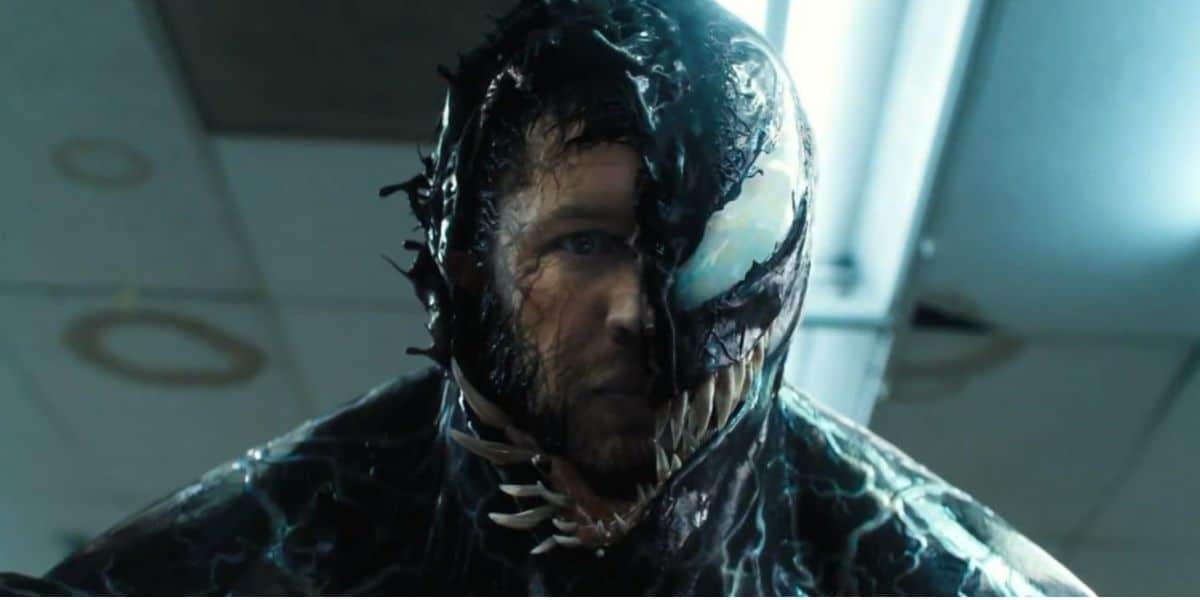
What this reboot entails remains unclear. It could involve a completely new approach, including different characters, tone, or even a new Spider-Man separate from Tom Holland’s version.
Holland’s portrayal is expected to remain within the Marvel Cinematic Universe, leaving Sony’s standalone efforts to redefine themselves. This raises ongoing questions about how—or if—the studio will incorporate Spider-Man into its own universe moving forward.
The stakes are high. After several uneven releases, this reset could determine whether Sony’s Spider-Man Universe finds a stronger footing or continues to struggle.
How do you feel about the current state of the Spider-Man franchise? Let us know in the comments down below!