
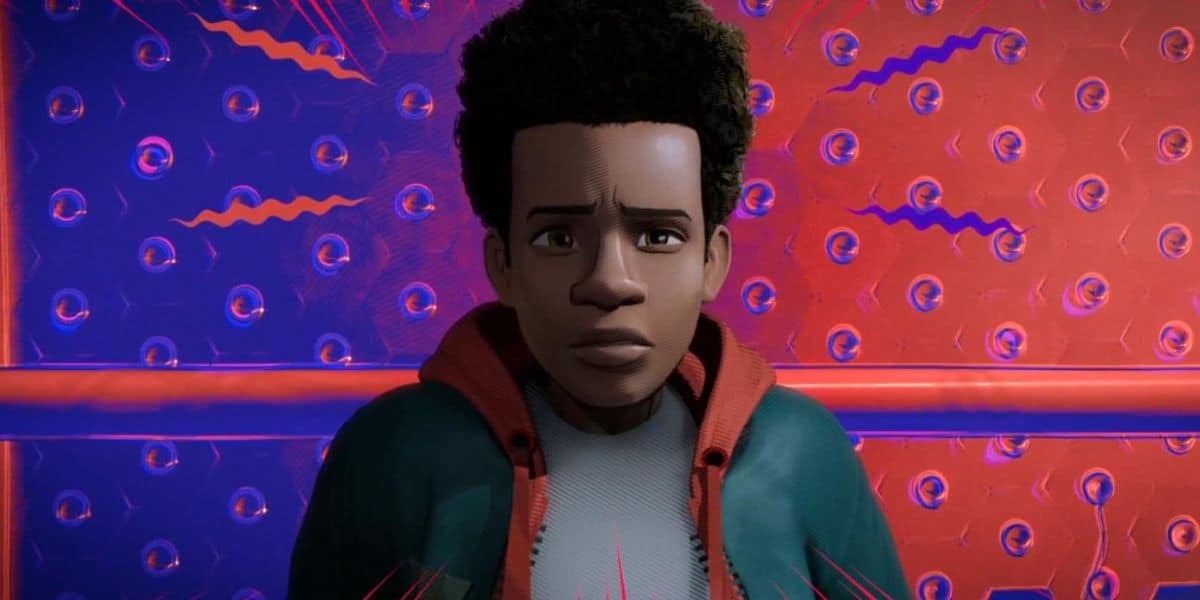
Sony has spent years trying to prove it could build something meaningful from the Spider-Man world without relying entirely on Marvel Studios. That effort has taken many forms, from darker live-action spin-offs to animated stories that opened the door to an entirely different style of superhero filmmaking.
Some of those projects helped Sony stand out. Others made it obvious that having access to Spider-Man-related characters is not the same thing as knowing exactly what to do with them.
That brings us to the latest shift. Sony is now bringing one of its biggest success stories to a close, and even though more Spider-Man projects are still coming, this marks the end of a major stretch for the studio.
The Rougher Side of Sony’s Plan
Sony’s bigger Spider-Man experiment has never been consistent. On paper, expanding outward from Peter Parker and giving supporting characters their own spotlight sounds smart. There is plenty of source material, and no shortage of recognizable names.
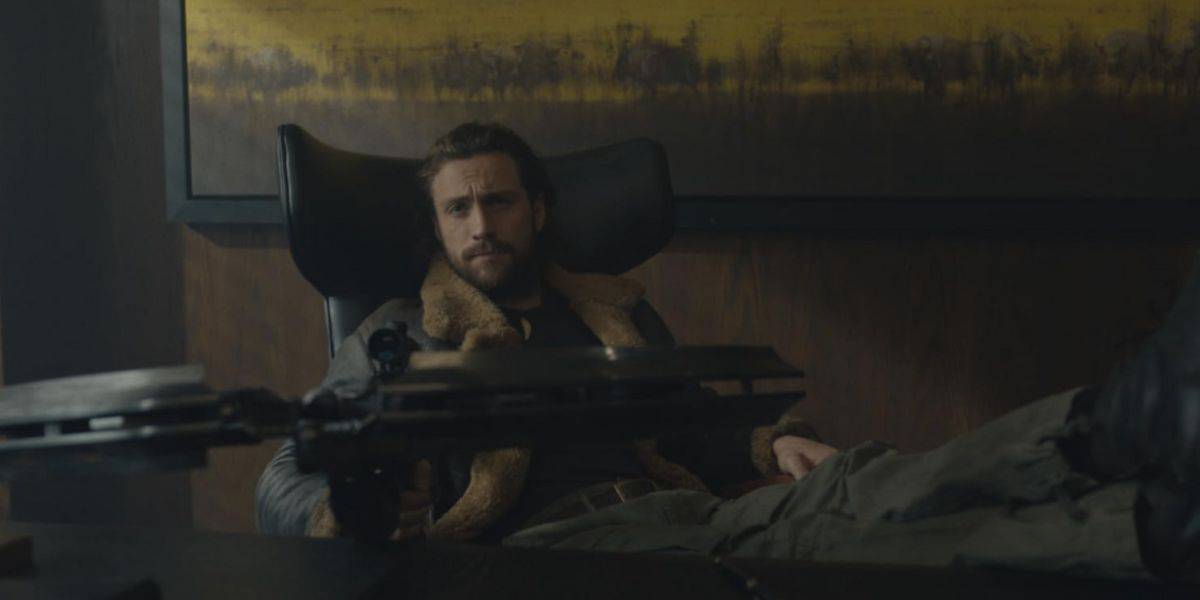
But movies like Kraven the Hunter (2024) and Madame Web (2024) showed how difficult that approach can be. Both films were supposed to help fill out Sony’s side of the Spider-Man universe, yet neither became the kind of defining hit that would make that strategy feel secure.
That left Sony in a familiar position. When the less connected live-action projects failed to gain real traction, the studio had to look back at the parts of the brand that actually earned audiences' trust.
The Franchise That Actually Broke Through
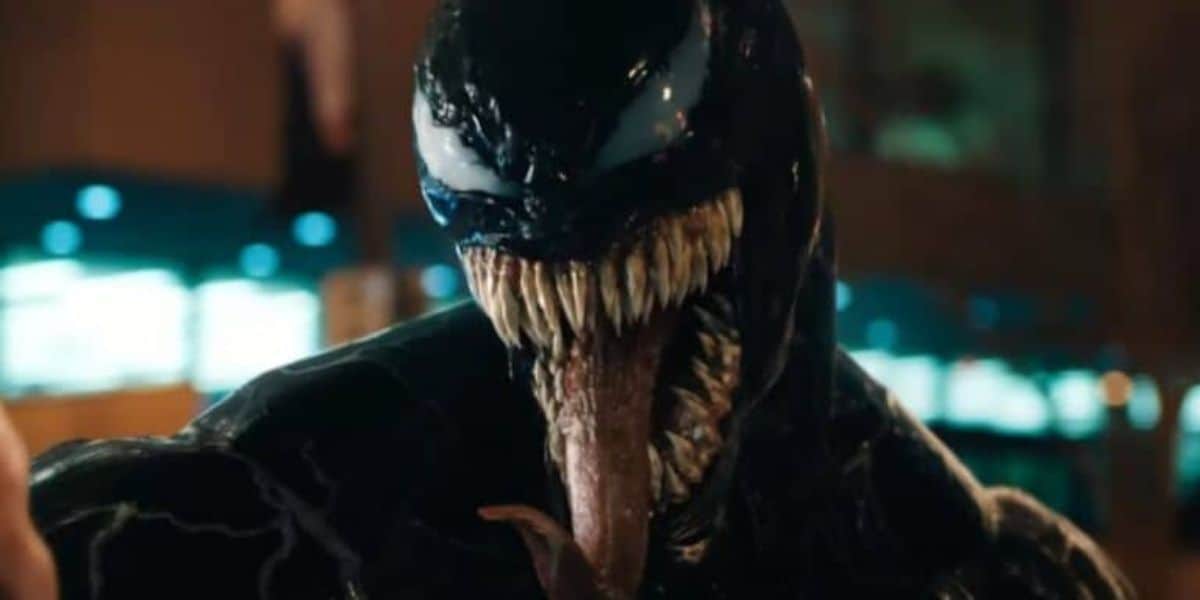
To be fair, Sony did have one strong live-action lane with Venom (2018) and Venom: Let There Be Carnage (2021). Those films found an audience by leaning into their oddball energy and letting that character exist in a more chaotic, less polished space.
Even so, Sony’s strongest creative success came somewhere else entirely.
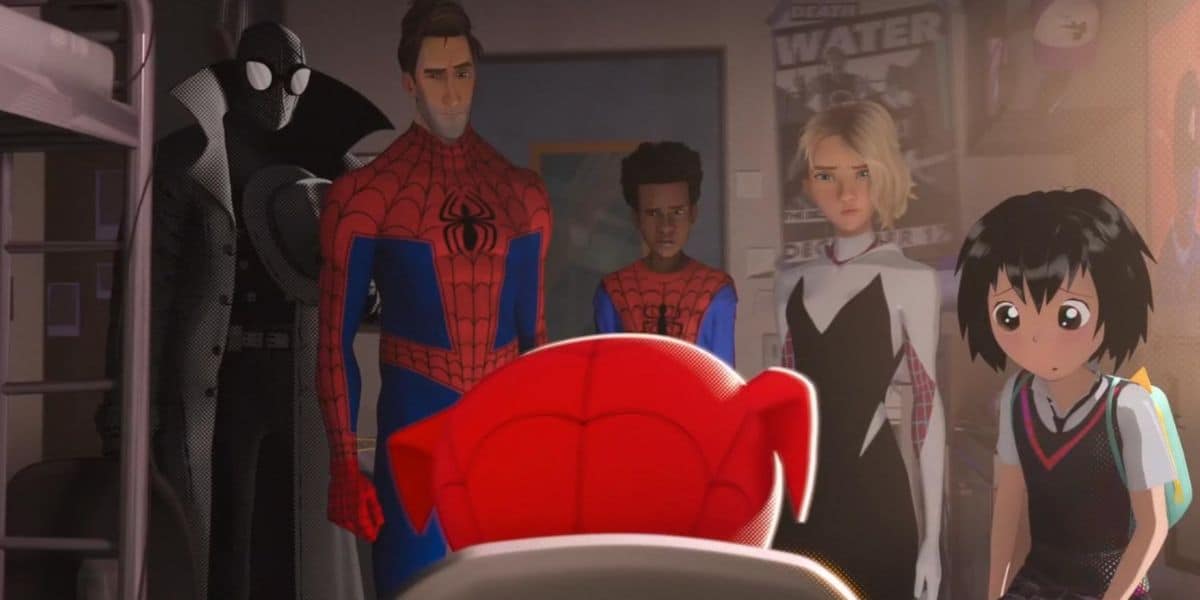
That came with Spider-Man: Into the Spider-Verse (2018), which instantly felt fresh. It introduced Miles Morales in a way that clicked with audiences, but it also changed how people thought about superhero animation. The style was bold, the storytelling was sharp, and the movie's emotional side gave it real staying power.
Then Spider-Man: Across the Spider-Verse (2023) arrived and proved that the first movie was not a fluke. The sequel expanded the scale, added more Spider-People, and deepened the story without losing the personal thread that made the first film work so well. At that point, Spider-Verse felt less like a side project and more like Sony’s crown jewel.
The Miles Morales Story Cut Short
That’s why this next development lands the way it does.
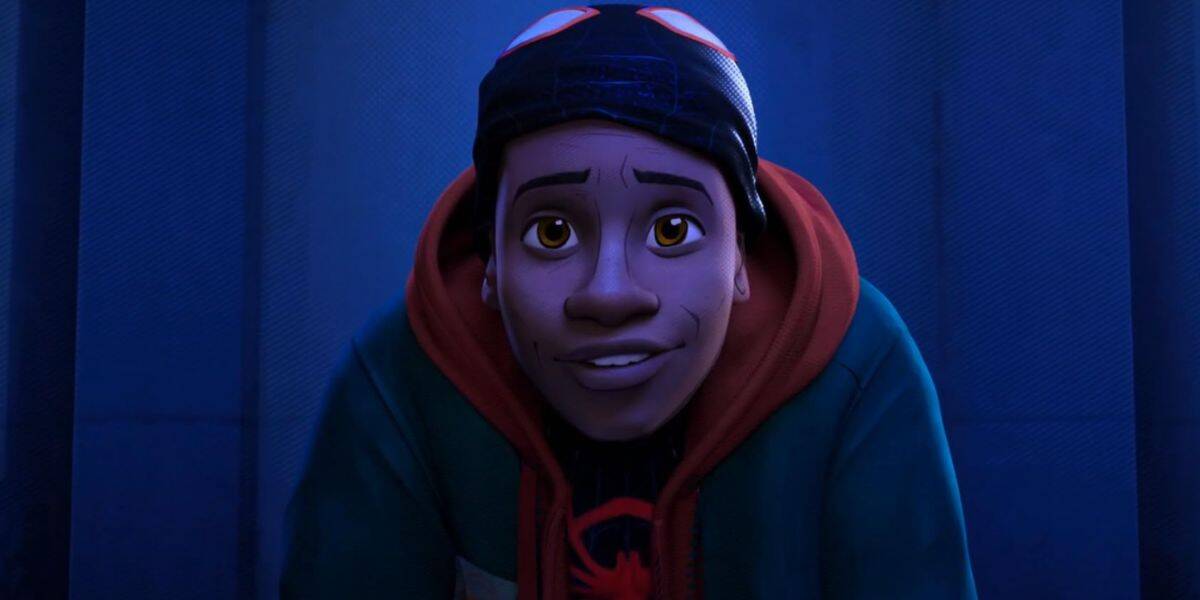
Sony has confirmed that Spider-Man: Beyond the Spider-Verse (2027) will close out the central trilogy built around Miles Morales. Producers Phil Lord and Chris Miller said on the “Happy Sad Confused” podcast that the upcoming film marks the end of the Miles trilogy, giving fans a clearer idea of how Sony sees this franchise.
That does not mean Spider-Verse disappears after the third movie. It does mean the story that started with Miles in Spider-Man: Into the Spider-Verse (2018) is reaching its proper conclusion.
For fans who hoped this exact version of the franchise might keep going indefinitely, that is a big change. Sony is choosing an ending here instead of stretching the main storyline past its natural stopping point.
Sony Isn't Done With Spider-Man
Even as the trilogy wraps up, Sony still plans to keep using this corner of the Marvel world. The difference is that future stories seem likely to branch out rather than continue straight ahead.
One example is Spider-Noir, a series starring Nicolas Cage as Ben Reilly, set to debut on Amazon Prime Video on May 27, 2026. Sony is also developing stories centered on Spider-Gwen and Spider-Punk, both of whom became standouts in the animated films.
That strategy lets Sony build around the characters audiences already responded to most. It also gives the studio the freedom to keep the Multiverse concept alive without depending on Miles to carry every installment. Even so, the nature of the Multiverse means Miles could still show up again, especially depending on how Spider-Man: Beyond the Spider-Verse (2027) ends. The same goes for the Miles and Gwen relationship, which could easily continue in some form later.
Sony’s Spider-Man Future Is Still Busy
Sony is also not done with Peter Parker. The company’s partnership with Marvel Studios continues with Spider-Man: Brand New Day (2026), which arrives this July and brings Tom Holland back for another live-action chapter.
That makes Sony’s current strategy look less like a retreat and more like a reshuffling. The studio still has animation, streaming, and live action all in play. What’s changing is the centerpiece.
So yes, a defining Spider-Verse chapter is coming to an end. But Sony is not leaving this world behind. It’s simply moving from one proven story into a broader, more unpredictable future.






Took my granddaughter to see Into the Spider-Verse and we absolutely loved it. Streamed Across the Spider-Verse and loved that too. Proudly display the Lego Collectible Minifigure set, and am losing my ish waiting on that third film. Am loving Tom Holland’s run, and the Venom films. Was sadly disappointed in the Madame Web and Morbius films.