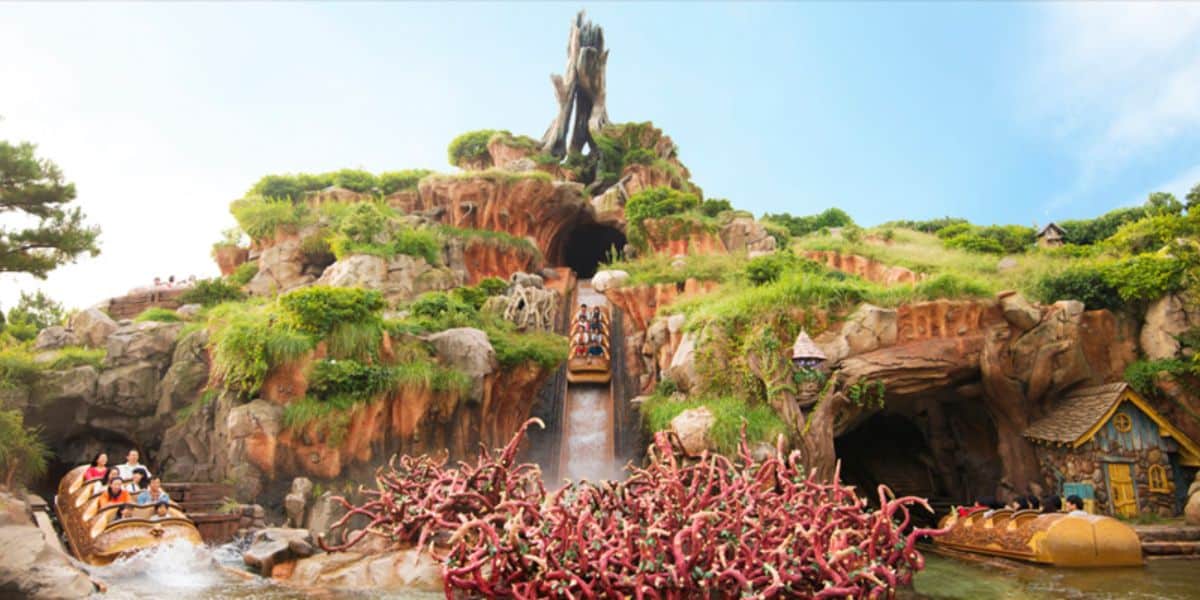
In the hyper-reactive world of Disney theme park fandom, certain debates never truly stay buried—they just wait for a tiny spark to reignite a full-scale online wildfire. For years, Disney corporate hoped that permanently replacing Splash Mountain with Tiana’s Bayou Adventure would gracefully close the book on one of its most complicated creative eras. Instead, a single viral social media post has proven that a vocal segment of the fanbase is completely trapped in the past.

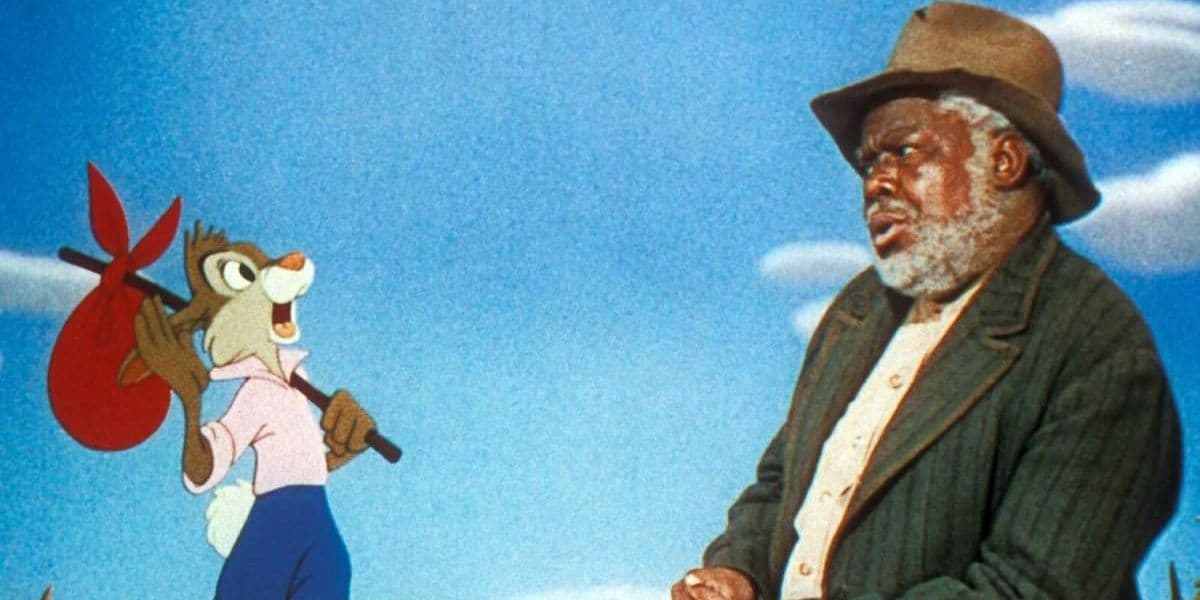
The latest online firestorm erupted when theme park commentator Jordan A. Hill shared a photo on X (formerly Twitter) of a mysterious, highly detailed enamel pin. The collectible featured prominent characters from Disney’s long-banned 1946 film Song of the South. Within hours, the post accumulated thousands of views and fierce arguments, as fans debated whether Disney had quietly rolled back its strict corporate embargo on the property to cash in on nostalgia.
But before the conspiracy theories could completely take over, a swift reality check arrived: the controversial pin is an absolute fake. Discovered inside a local antique mall, the item is nothing more than an unauthorized bootleg. Yet, the chaos its discovery unleashed exposes a fascinating look into a fandom that simply refuses to let the briar patch go.
The Anatomy of an Antique Mall “Fantasy Pin”
To the untrained eye, the pin showcased by @JordanAHill looked shockingly official. It possessed the vibrant colors, crisp lines, and heavy metal weight of authentic park merchandise. However, experienced collectors quickly identified it as a “fantasy pin”—the industry term for custom, fan-made collectibles created entirely without Disney’s legal authorization.
Multi-vendor antique malls have rapidly become the unregulated “Wild West” for these types of gray-market items. Because individual booths are rented out to independent sellers on consignment, mall management rarely verifies intellectual property rights or copyright authenticity.
When Disney completely scrubbed Br'er Rabbit, Br'er Fox, and Br'er Bear from its store shelves following the ride's closure, it created an intentional retail vacuum. Third-party bootleggers immediately stepped into that empty space, manufacturing their own nostalgic merchandise to sell to displaced fans eager for any physical piece of the defunct attraction.
The Psychology of a Fanbase Stuck in the Past
The intense emotional reaction to a piece of fake antique mall merchandise reveals a deeper psychological truth about the “Splash Mountain preservationist” subculture. For this group, the physical closure of the ride wasn't just the loss of a favorite log flume; it was treated as a definitive cultural battlefield.
Even though Tiana’s Bayou Adventure has been open for a while, drawing massive daily crowds with its advanced animatronics and New Orleans jazz soundtrack, the emotional wounds of the old ride's loyalists haven't healed. They are constantly scanning the internet for any sign of validation—any proof that Disney secretly regrets its decision or that the broader public demands the return of the old characters.
When the image of this bootleg pin dropped, it acted like an immediate Rorschach test for the fandom:
- The Preservationists saw a “forbidden” treasure and rushed to celebrate it as a sign that Disney was quietly preserving its own history.
- The Critics saw an offensive relic, demanding to know why harmful, romanticized stereotypes of the post-Civil War American South were still being circulated.
- The Reality was simply an independent creator making a quick buck off unregulated, third-party nostalgia.
The Final Verdict: Moving Past the Bayou
Ultimately, the digital skirmish sparked by Jordan A. Hill's post is a stark reminder that physical renovations cannot instantly alter human psychology. Disney successfully remodeled its theme park geography in both California and Florida, replacing a problematic 1940s film theme with an inclusive, musical celebration of The Princess and the Frog.
Yet, as long as independent manufacturers can press metal and hawk bootlegs in local antique booths, the ghosts of Splash Mountain will continue to haunt the edges of the Disney community. The pin itself may be a total fake, but the bitter, ongoing cultural divide it uncovered across the internet is entirely real.