The biggest threat to your Disney park night isn't crowds, weather, or ticket prices. It's a bill working its way through Washington right now.
The U.S. House just passed a proposal to make daylight saving time permanent, with bipartisan support, and shipped it to the Senate. If it survives there and becomes law, America stops changing the clocks forever. No more spring forward. No more fall back.
Great news for anyone who hates resetting the microwave. Complicated news for anyone who loves theme parks after dark. Because buried inside this feel-good clock bill is a math problem that hits the parks right where it hurts: the holiday season.
The Hour That Disappears
Follow the numbers. In November and December, sunset in Orlando lands around 5:30 p.m. On a standard EPCOT night with a 9 p.m. close, that's roughly three and a half hours of darkness for fireworks, projections, and millions of twinkling lights.
Permanent daylight saving time pushes that sunset to about 6:30 p.m. Same park hours, same ticket price, and suddenly only two and a half hours of dark.
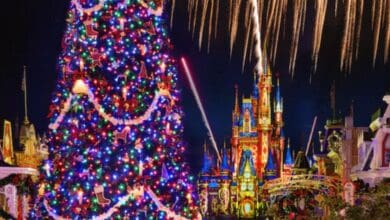
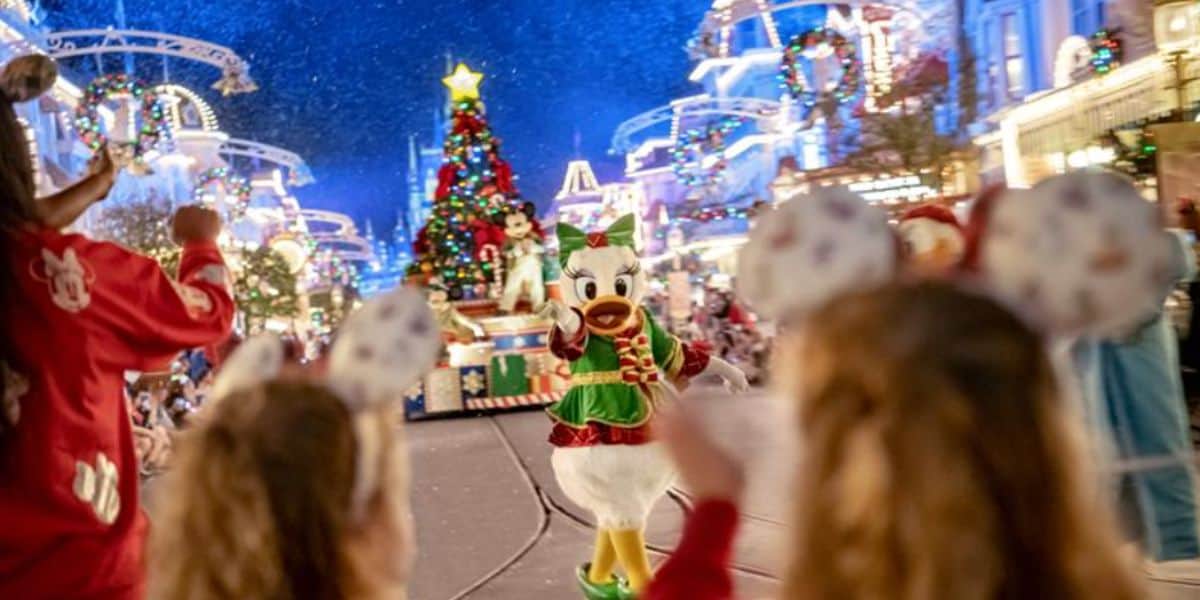
One full hour of nighttime magic might be wiped off the schedule by an act of Congress. And darkness is the entire business model of the holiday season. Mickey's Very Merry Christmas Party. Disney Jollywood Nights. The EPCOT International Festival of the Holidays. Universal's Grinchmas and the Hogwarts castle projections. SeaWorld's Christmas Celebration with its millions of lights.
Christmas Town at Busch Gardens, Holiday in the Park at Six Flags, and WinterFest at the former Cedar Fair parks. Every single one of them is engineered for after-dark, and every single one would face the same ugly choice: start later, run shorter, or shine into a sky that isn't dark yet.
Meanwhile, the Mornings Go Full Midnight
The other end of the day gets weirder. Permanent daylight saving time delays winter sunrise, which means the sacred rope drop ritual turns nocturnal.
Disney World hotel guests use Early Theme Park Entry to get in 30 minutes before opening. Universal Orlando's Early Park Admission can run a full hour early. Under the new clock, huge stretches of the winter calendar would see those early entries happen entirely before sunrise. Parking plazas, security lines, and transportation hubs, all operating in the dark. Discovery Cove checks guests in at 7 a.m., which would feel like a midnight flight check-in come December.

Sleep experts have long pointed to morning sunlight as the thing that keeps human body clocks on schedule, and darker mornings make natural wake-ups harder for everyone, especially kids. So picture the new winter park day: wake in darkness, rope drop in darkness, and fireworks pushing closer to bedtime. The park day stretches from both ends, and the family stroller brigade feels it first.
The Fine Print Nobody Should Skip
Honesty time: there's an upside column too. An extra hour of evening daylight means more time on outdoor attractions before the cold sets in, more daylight dining and shopping, and a friendlier window for locals hitting the parks after work. The hospitality industry has historically loved longer evenings, since guests linger and spend. And killing the clock change means no more groggy adjustment weeks twice a year.
So this isn't a villain story. It's a tradeoff story. Brighter evenings on one side, darker mornings and shorter holiday nights on the other.
The Senate Holds the Clock
Nothing is law yet. The bill cleared the House, but the Senate's version of this story has stalled before, and its path is genuinely uncertain. Until further notice, the clocks keep changing and the park day stays exactly as memorized.
But every parks fan should be watching this one, because the stakes are strangely personal. One vote in Washington, and the holiday night you've been planning loses an hour of glow. The crowds will still come. The lights will still shine. There will just be less darkness to shine against.
Keep the trip plans flexible. And maybe, for once, keep an eye on C-SPAN.