
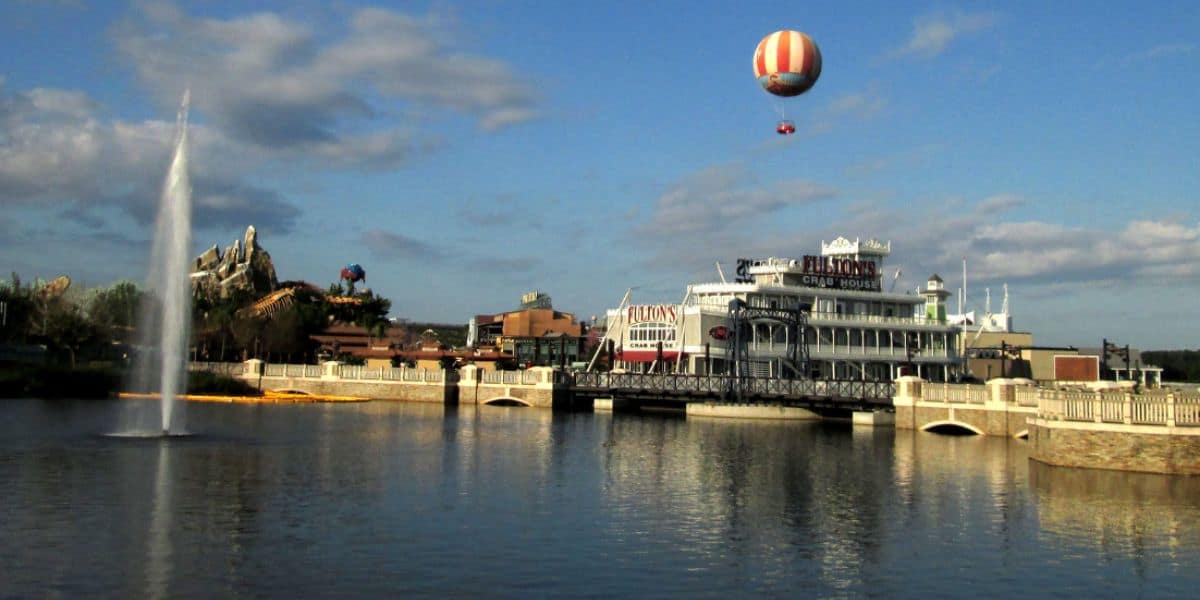
The era of unrestricted, complimentary resort hopping at Walt Disney World has come to an abrupt end. On June 28, 2026, Disney officially made its controversial Disney Springs transportation restriction permanent. Under the new policy, guests attempting to board buses or watercraft heading to resort hotels from Disney Springs must show proof of a valid resort stay, an Advance Dining Reservation, or a booked activity.

The initiative was designed to shut down the widespread “free parking hack”—a trick where offsite day-trippers and locals parked for free at the Disney Springs garages, boarded a resort bus, and bypassed the $35 daily theme park parking fee.
Now, several weeks into the new operational policy, the immediate results are clear: the verification checkpoints are working flawlessly, and transportation Cast Members are celebrating. However, behind the scenes, an unexpected economic ripple effect is raising alarm bells for the future of the resort workforce.
Transportation Workers Celebrate a Major Operational Win
For front-line transportation staff, the Disney Springs bus depot had long been a point of extreme operational friction. During peak hours, massive queues of non-resort guests flooded the boarding lanes to catch rides to nearby deluxe resorts like Disney's Contemporary Resort or Disney's Grand Floridian Resort & Spa. Paying hotel guests routinely faced long wait times and overflowing buses just to return to their rooms.
With handheld scanners now deployed at the entrance of the bus loops, the chaos has completely disappeared. Wait times have plummeted, buses are operating well within capacity, and loading procedures are smoother than ever.
Bus drivers and queue coordinators have overwhelmingly praised the change. By weeding out the parking-hack abusers, Disney restored the premium convenience promised to paying hotel guests, making daily shifts vastly more manageable for transportation workers.
The Unintended Victim: Spontaneous Resort Hopping
While transit operations are running like clockwork, the strict enforcement has created a severe unintended consequence: it has completely crippled spontaneous resort hopping.
Historically, Disney Springs served as the primary launch point for guests seeking to explore the broader resort property without a car. Visitors could easily grab a boat to Disney's Port Orleans Resort for fresh beignets, or take a bus to Disney's Polynesian Village Resort for an evening cocktail at the Tambu Lounge.
Now, without a pre-booked dining reservation tied to their Disney account, those casual visitors are turned away at the bus stop.

Commentators and theme park analysts on social media, including accounts like @prdecr8shr and @wdwpro1, have noted a dramatic shift in foot traffic across Disney World’s hotels. Without the steady flow of casual day-guests arriving from Disney Springs, resort lobbies, lounges, quick-service eateries, and gift shops are experiencing a noticeable drop in daily patrons.
Plunging Foot Traffic Threatens Resort Cast Member Jobs
This sudden decline in foot traffic has serious financial consequences. Casual resort hoppers account for a massive amount of ancillary revenue across Disney’s hotel properties. When hundreds of guests are prevented from visiting a resort on a whim, they aren't spending money on snacks, drinks, or resort-exclusive merchandise.
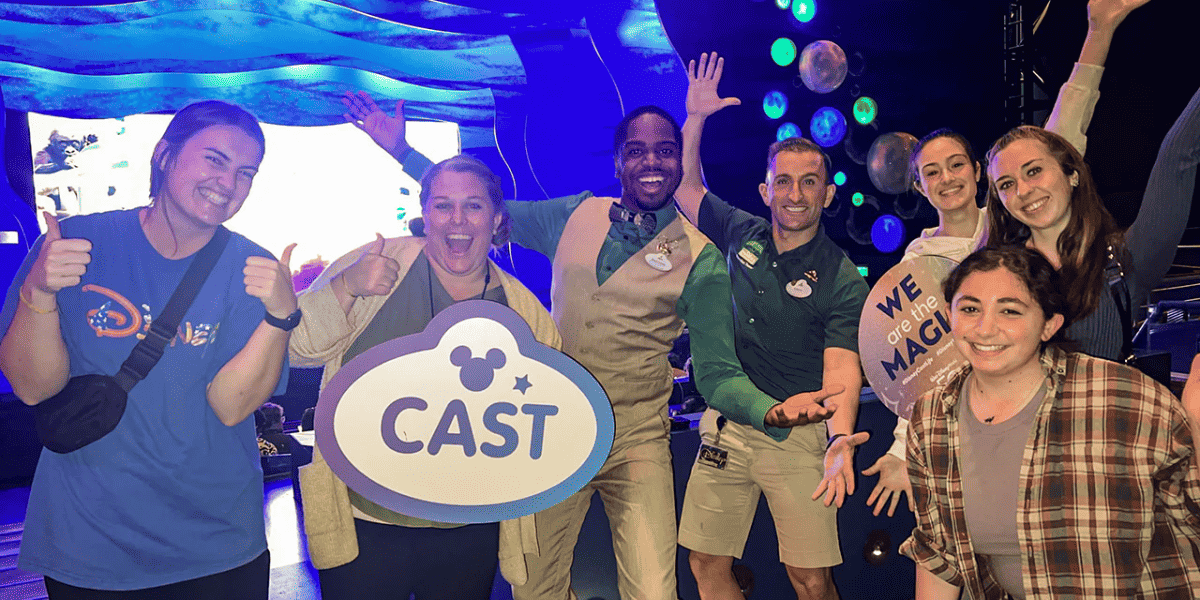
Disney's resort operations run on strict, automated labor matrices. Staffing levels at quick-service restaurants, lounge bars, and retail shops are directly dictated by real-time foot traffic and sales revenue. When sales decline, labor hours are automatically slashed to preserve profit margins.
With resort dining and retail spaces seeing fewer casual visitors, analysts warn that Disney may soon be forced to reduce cast member hours across the hospitality sector. If foot traffic remains suppressed, this loss in resort revenue could trigger targeted layoffs or hiring freezes for resort-based staff.
A policy that successfully fixed transportation logjams is now inadvertently squeezing the bottom line of the hotels themselves. As Disney balances guest convenience with property-wide profitability, management may soon be forced to decide whether protecting resort transportation is worth the cost of losing millions in spontaneous guest spending.



If someone wants to eat at a resort hotel restaurant, they will make dining reservations. They can ride DS bus, have time to explore hotel. If on monorail loop when done with dinner or lunch, you can still see different hotels. Then head back to DS. If you dont want to do that, then pay at park and use transportation. It’s not hard. That’s how it use to be.