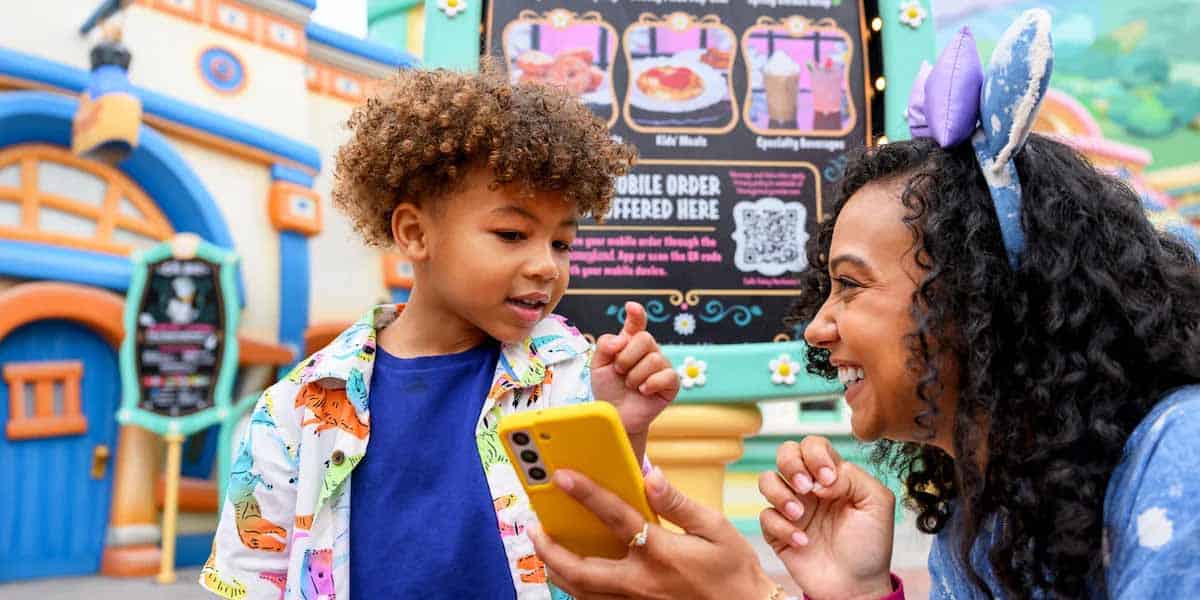
Planning a trip to Walt Disney World is supposed to be about stepping into fairy tales, but for many families, modern park days feel more like managing an endless series of digital spreadsheets. Between tracking wait times, ordering food on mobile, and constantly checking for ride openings, theme park screen fatigue has reached an all-time high. To reclaim their vacation experience, a growing number of visitors are handing off the hassle to third-party automation software that books Lightning Lanes on autopilot.

The Endless Refreshing Trap
Under Disney’s current Lightning Lane Multi Pass system, guests can lock in up to three advance ride reservations before their trip. Once inside the park, after tapping into their first attraction, they unlock the ability to make rolling selections for the rest of the day.

While the system promises shorter lines, it heavily favors guests who stay glued to their phones. Peak attractions—such as Slinky Dog Dash, Space Mountain, or Tiana's Bayou Adventure—frequently sell out early or push return times late into the evening. To snag cancellation slots or pull return times forward, parkgoers must repeatedly swipe and refresh the My Disney Experience app every few minutes. Instead of taking in the parade or watching their children interact with characters, parents find themselves staring down at glowing screens, desperately chasing the next available booking window.
How Third-Party Booking Automation Works
To break free from constant screen time, tech-savvy parkgoers are leveraging third-party automation platforms. Instead of forcing guests to refresh for hours manually, these software tools act as digital personal assistants that operate quietly in the background:

- Account Linking: Users link the third-party service to their My Disney Experience profile through Disney's built-in Friends & Family feature, eliminating the need to share private login passwords.
- Preference Customization: Guests set up their ideal itinerary in the automation tool, selecting priority rides and preferred time slots (e.g., morning, afternoon, or evening).
- Continuous System Scanning: The background software scans Disney’s reservation servers every few seconds for cancellations or sudden inventory drops.
- Instant Auto-Booking: The moment a matching slot opens, the algorithm automatically secures the Lightning Lane reservation for the entire party before a human can even open the app.
- Smart Modifications: Advanced tools continually look for earlier return windows and automatically bump existing reservations forward throughout the day.
The Financial Math of Putting the Phone Away
Outsourcing ride bookings introduces an additional layer of expense to an already costly Disney vacation. Because third-party automation platforms operate independently, their fees sit on top of Disney’s official charges:

- Third-Party Pass Fees: Automation tools typically charge flat fees ranging from $20 for short visits up to $30–$45 for a full week, covering up to 12 guests under one connected account.
- Official Disney Costs: Guests must still purchase Disney’s Lightning Lane Multi Pass through the official app, which ranges from $20 to $39 per person per day, depending on park demand.
While spending an extra $45 per week might seem like a luxury, many families consider it a bargain compared to alternative options. Disney’s top-tier line-skipping product, Lightning Lane Premier Pass, allows guests to bypass lines without return times entirely, but costs hundreds of dollars per person per day. Paying a small third-party fee to automate Multi Pass bookings offers a budget-friendly middle ground that keeps costs reasonable and lets parents put their phones back in their pockets.
Does Auto-Booking Violate Disney Rules?
A common question among Disney fans is whether third-party automation software violates Disney’s terms of service.

Currently, these tools operate within existing guidelines, using Disney's official Friends & Family API parameters. They do not fabricate fake passes, bypass height requirements, or generate inventory out of thin air. Instead, they simply execute the same booking requests a human guest could make manually—just faster and without requiring human eyes on a screen.
While Disney has not taken action to block these services, park observers continue to monitor whether digital policies or server permissions will be adjusted in the future. For now, the outsourcing line-skipping strategy has become a popular secret weapon for families looking to spend less time staring at screens and more time enjoying the magic together.