
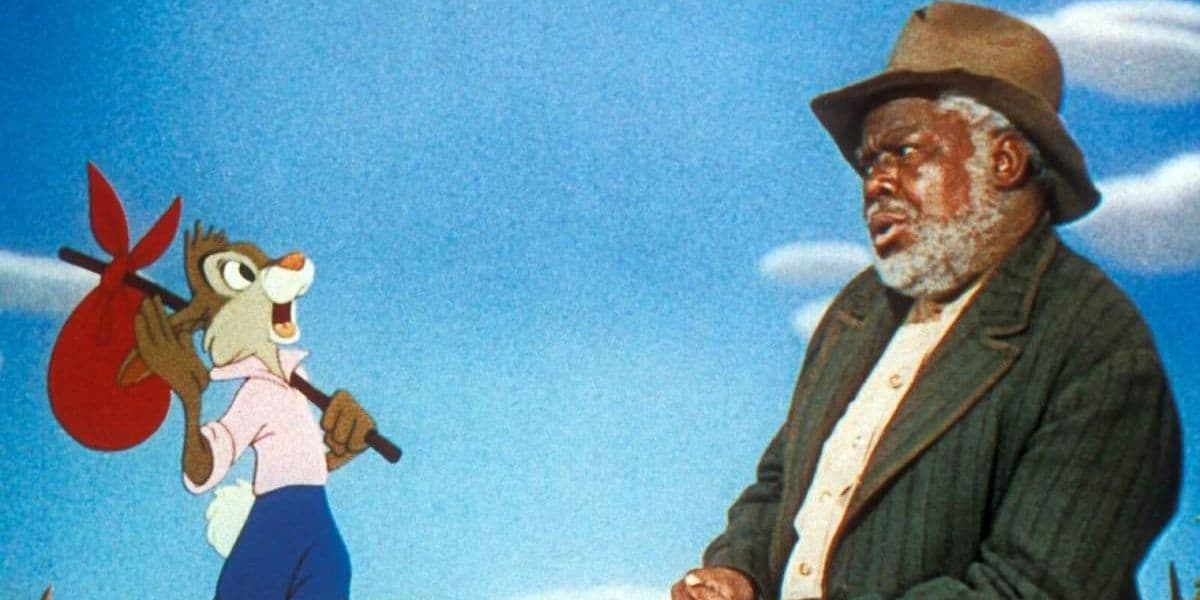
For nearly four decades, The Walt Disney Company has maintained an unyielding stance on one of the most controversial titles in its vast entertainment catalog. Released in 1946, Song of the South introduced audiences to the Oscar-winning song “Zip-A-Dee-Doo-Dah” and the animated antics of Br'er Rabbit. Yet today, you will not find it on Disney+, on digital video platforms, or on modern Blu-ray release schedules.

Despite Disney’s deliberate strategy to bury the movie deep inside its corporate vault, an underground movement of film archivists, theme park fans, and digital preservationists refuses to let the motion picture vanish into obscurity.
The ongoing tension between corporate sanitization and digital file-sharing recently flared up again on social media, when an X user (@followsmoke0) posted the complete 94-minute feature film directly to their feed. Garnering thousands of views, the full-length upload highlights a modern digital reality: in the age of social media video players and cloud storage, no media conglomerate can completely erase its history.
Guerrilla Preservation in the Social Media Era
The full upload from @followsmoke0 is far from a standalone event. Across platforms like X, YouTube, and the Internet Archive, full bootleg transfers, fan-restored 4K copies, and physical rip files of Song of the South surface regularly.
Whenever Disney’s legal enforcement team issues copyright takedown demands to remove a circulating video, replacement uploads inevitably appear elsewhere. Film collectors routinely digitize vintage international LaserDiscs, trade private torrent links, and leverage social media accounts to ensure high-definition versions remain accessible to anyone looking for them.
For the archivists driving these preservation efforts, sharing Song of the South isn't merely about nostalgia—it is viewed as a direct stand against corporate censorship and media erasure.
What Makes Song of the South So Problematic?
To understand why Disney put Song of the South under lock and key, one must examine the severe cultural controversies that have dogged the film since its 1946 debut.

Based on Joel Chandler Harris’s 19th-century “Uncle Remus” folklore, the movie blends live-action scenes with animated sequences featuring Br'er Rabbit, Br'er Fox, and Br'er Bear. Set in post-Civil War Georgia, the narrative centers on Uncle Remus (played by James Baskett, who earned an Honorary Academy Award for the role), a Black worker living on an idyllic plantation.
Critics and civil rights organizations, including the NAACP, condemned the film upon release for several major issues:
- Idealized Plantation Life: The film presents a romanticized, paternalistic view of the South, depicting Black workers as uniformly happy, subservient, and nostalgic for plantation life.
- Glossing Over Slavery: By blurring the line regarding whether Uncle Remus is an enslaved man or a free sharecropper, the movie whitewashes the brutal realities of slavery and Reconstruction-era Jim Crow laws.
- Racial Caricatures: The live-action dialogue and animated characters rely heavily on minstrel-era tropes and exaggerated dialect that caricatured Black speech and culture.

Recognizing the reputational liability, Disney permanently pulled the film from U.S. theatrical rotation following a final 1986 re-release. More recently, Disney severed its last remaining physical connection to the movie by retheming the iconic Splash Mountain log flume—which featured the film's characters and music—into Tiana’s Bayou Adventure.
Why Fans Fight to Keep the Film Alive
If Song of the South is so deeply flawed, why do fans continue to risk copyright strikes to distribute it online? A few distinct arguments drive the preservation movement.

1. Technological Milestones and Black Film History
Technically, Song of the South was a major achievement, marking Disney’s first feature-length blend of live-action actors and animation. Historians also point to James Baskett’s performance, as he was the first Black man to receive an Academy Award.
2. The Anti-Censorship Stance
Many cinephiles argue that burying problematic art—rather than providing historical context or educational disclaimers—is a form of revisionism. Preservationists contend that society should learn from historical missteps rather than scrub them from existence.
3. Theme Park Connections
For generations of Disney parkgoers, the characters and soundtrack were core elements of childhood memories via Splash Mountain. Seeking out the film allows fans to preserve a connection to a retired piece of pop-culture history.

The Endless Battle for Disney's Archives
Former Disney CEO Bob Iger stated in 2020 that Song of the South “is not appropriate in today's world” and would never be streamed on Disney+. However, persistent online leaks prove that corporate bans are increasingly difficult to enforce against decentralized digital networks. As long as fans value media preservation over corporate mandates, Song of the South will remain accessible online.