

In the landscape of modern media, “The Disney Vault” was once a whimsical marketing term for the temporary unavailability of beloved classics like The Little Mermaid or Aladdin. However, as we move through 2026, the vault has become far more literal and impenetrable. While Disney+ has become a digital library for nearly every frame of film the company has ever produced, one Academy Award-winning feature remains conspicuously missing from the shelves.

Despite mounting calls from film historians, physical media collectors, and curious fans, Disney CEO Bob Iger has reportedly issued a definitive “no” to any future release of the 1946 film Song of the South. Even as the film’s 80th anniversary looms, the corporate decree is clear: some chapters of the Disney legacy are better left in the dark.
The Viral Spark: A Fandom in Flux
The controversy reached a boiling point this week following a viral post from SplashMHS, a prominent voice in the Disney archival and theme park community. The tweet suggests that, despite high-level internal discussions about a “limited archival release” for the film’s milestone anniversary in late 2026, Iger personally intervened to shut down the project.
The response from the “Disney Twitter” sphere was a mix of outrage and applause. For some, Iger is a hero protecting the brand’s modern, inclusive values; for others, he is a “cultural janitor” scrubbing away inconvenient history that should be contextualized rather than erased.
The Weight of 1946: Why the Film is Radioactive
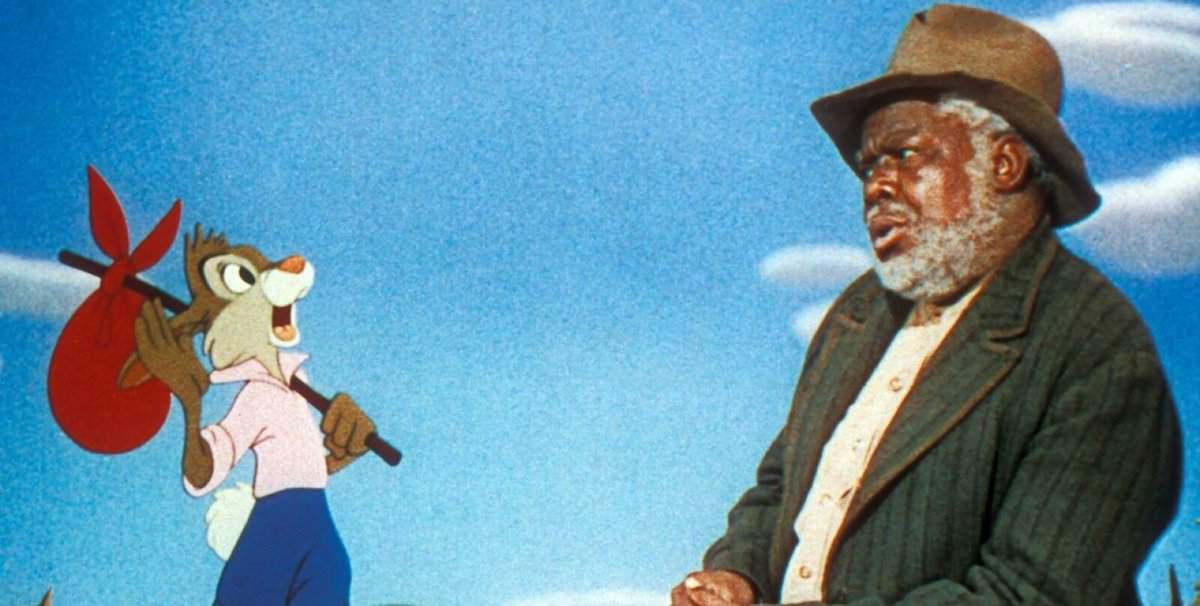
To understand why Iger is so adamant about keeping the film under lock and key, one must look at the specific nature of the Song of the South controversy. As detailed by Disney Fanatic, the film is a live-action/animation hybrid based on the Uncle Remus fables. While the “Zip-A-Dee-Doo-Dah” animated segments remain masterpieces of mid-century craft, the live-action framing is deeply problematic by modern standards.

Set on a plantation during the Reconstruction era, the film presents an idealized, “pastoral” vision of the post-Civil War South. Critics argue it perpetuates the “Happy Slave” trope, showing Black workers in a state of blissful, subservient harmony with their former masters. In an era where Disney is leaning heavily into social responsibility and diverse storytelling, Song of the South stands as a stark, uncomfortable contradiction to the company’s current mission statement.
Iger’s Philosophy: Brand Safety Over Archival Integrity
Bob Iger’s refusal to release the film—even with an educational disclaimer—speaks volumes about his philosophy as a CEO. During a 2020 shareholder meeting, Iger stated that the film was “not appropriate in today’s world,” and in 2026, that stance has only hardened.

For Iger, the risk of a release far outweighs any potential benefit. In the age of social media, a 4K restoration of Song of the South wouldn't just be a win for film buffs; it would be a goldmine for bad-faith actors to pull controversial clips out of context, sparking viral PR fires that Disney’s marketing team would have to spend weeks extinguishing. Iger isn't interested in a nuanced conversation about 1940s Hollywood tropes; he’s interested in protecting the multi-billion-dollar “Disney” trademark from unnecessary friction.
The Death of Splash Mountain: Erasing the Last Trace
The push to keep the film buried is inextricably linked to the physical transformation of Disney’s theme parks. For decades, the film’s characters—Br'er Rabbit, Br'er Fox, and Br'er Bear—were the stars of Splash Mountain. While the ride omitted the plantation setting and Uncle Remus character, it served as the primary tether, keeping the 1946 film in the public consciousness.

The 2023–2024 closure of Splash Mountain and its subsequent reimagining as Tiana’s Bayou Adventure was a calculated move to sever that final link. By replacing the Uncle Remus era with Princess Tiana’s story of Black entrepreneurship and Jazz-age New Orleans, Disney effectively updated its “Bayou” narrative. Keeping Song of the South hidden ensures that Tiana’s version of the South becomes the definitive one for the next generation of fans.
The Preservation Debate: Erasing James Baskett?
While the moral arguments for burying the film are strong, film historians offer a compelling counterpoint. They argue that by “erasing” the film, Disney is also erasing the historic achievement of James Baskett. Baskett, who played Uncle Remus, was the first Black man to receive an Academy Award (an honorary one) for his warm, nuanced performance.
Archivists argue that Disney should follow the “Warner Bros. Model.” When Warner releases older cartoons containing racial stereotypes, they often include a disclaimer voiced by Whoopi Goldberg, explaining that “to pretend these prejudices never existed would be the same as claiming they never existed.” By choosing a total blackout instead, Iger is opting for “digital erasure”—a move that some fear sets a dangerous precedent for corporate control over cinematic history.
Conclusion: The Vault is Final
As we move toward the 80th anniversary of Song of the South in late 2026, the message from the executive suite is clear: The vault door is not just closed; it’s welded shut.

While public demand for a high-definition, contextualized release continues to simmer on social media, Bob Iger has made it clear that the “Most Magical Place on Earth” has no room for the ghosts of 1946. As Tiana’s Bayou Adventure welcomes its first millions of guests, the era of Br'er Rabbit is officially a thing of the past. For those who want to see James Baskett’s historic performance, they won’t find it on Disney+. In Iger’s Disney, the future is bright, inclusive, and entirely free of the shadows of the South.






I have my own personal copy of S.O.T.S.
I even ripped it to my computer as a backup copy.
We drag it out once-or-twice a year and play it for friends and neighbors.
NONE of our friends or neighbors have a problem with it.
Iger want to ruin Disney much as he can before leaving, he made his $$$$$$$$$ . He don’t care what the pubic say, it’s all about the money for him.
I saw Song Of The South as a kid and obtained a copy years ago. Mr. Baskett waa not only a great actor, but was the hero in the movie. How many movies of that era had a black hero? Movies of that era generally have some degree of racism, which was a reflection of the times. S.O.T.S. waa one of the most inclusive films of that era and deserves to be re-released. I’d love a restored Blu-ray of it for my grandchildren to watch.
So, by using Disney standards “Gone with the Wind” could never be shown again, along with a plethora of other movies, Hmmm I wonder how “Roots” would fit in the Disney library.