
Parents sitting down for a family movie night probably aren't expecting to inspect everything that appears when they open Disney+.
After all, this is Disney.
But the familiar name doesn't tell families nearly as much about the streaming service as it once did. Disney+ now houses a much wider variety of programming, including entertainment created specifically for mature audiences.
One upcoming release makes that particularly difficult to ignore. Disney+ is promoting a franchise that would look very different sitting beside the animated movies and family favorites that helped establish the service.
For parents, it's another reason to pay attention before handing over the remote.
A Major September Release Changes the Conversation
Disney+ recently used social media to promote the upcoming arrival of American Horror Story Season 13, which begins streaming September 24.
The TV-MA franchise isn't exactly typical Disney family viewing.
American Horror Story has become known for mature subject matter, including violence, disturbing imagery, sexual content, and other adult themes. Its presence creates a sharp contrast with the type of entertainment many families still associate with Disney+.
Disney's continued integration with Hulu helps explain how those very different worlds ended up sharing the same platform.
Subscribers now have considerably more programming available without moving between multiple apps. For families, however, that expanded selection means Disney+ requires more attention while browsing.

Family Movie Night Isn't Always Happening on a Kids Profile
Disney+ gives parents tools to manage what younger viewers can access. That includes parental controls and Junior Mode profiles designed to provide children with a more restricted experience.
Those features can help when children watch independently.
But not every family uses a Junior Mode profile every time they turn on the television.
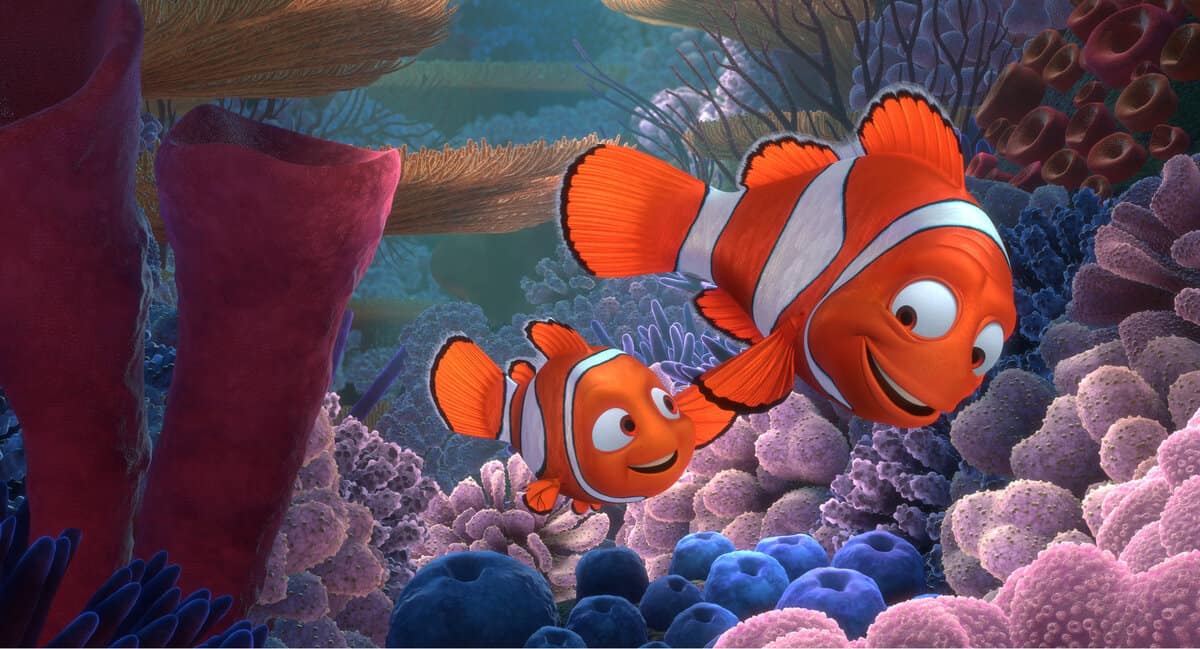
A parent might open an adult profile and start searching with everyone sitting in the room. One child might want Finding Nemo (2003). Someone else could suggest The Little Mermaid (1989), Marvel, or Star Wars.
During that search, families can also encounter recommendations or promotional artwork associated with programming intended for older audiences.
Parents ultimately choose what starts playing, but browsing itself can become a different experience when mature entertainment exists alongside familiar family options.

That Wasn't the Original Disney+ Experience
Disney+ looked much simpler when it launched in 2019.
The service centered its identity around some of Disney's most recognizable brands. Disney animation, Pixar, Marvel, Star Wars, National Geographic, and Disney+ original programming formed the foundation.
That didn't make every piece of content appropriate for every age.
Marvel and Star Wars have always included more serious themes, including violence and death. Still, subscribers generally knew what kind of streaming service they were opening. Disney+ largely revolved around Disney-owned franchises and entertainment intended to appeal to broad audiences.
The service has since moved considerably beyond those boundaries.
Hulu Brought a Much Bigger Library With It
Integrating Hulu programming into Disney+ changed what subscribers could encounter without leaving the app.
A viewer can move between Disney Animation, Pixar, and programming that carries mature ratings within the same general streaming environment. American Horror Story Season 13 is another example of how wide that gap can now become.
The expansion isn't limited to adult programming.
Disney+ can also include licensed entertainment associated with studios outside Disney. Universal-produced content, for example, can enter Disney's streaming ecosystem through licensing arrangements and Hulu's larger catalog.
Universal and Disney compete across major areas of entertainment, making that development another reminder of how much Disney+ has expanded beyond serving primarily as a home for Disney properties.
More content can certainly make a subscription feel more valuable. It can also make the service less predictable for families.

Parents May Need to Rethink the Disney+ Name
Disney has spent decades building its connection to family entertainment. Naturally, that history influences what parents expect when they see Disney+ on their television.
Much of the familiar content remains.
Families can still find Finding Nemo (2003), The Little Mermaid (1989), Pixar movies, Marvel adventures, Star Wars, and plenty of other entertainment traditionally associated with Disney.
The difference is that those titles now exist within a much broader streaming environment.
Disney+ publicly promoting American Horror Story Season 13 ahead of September 24 makes that reality especially visible. Mature programming isn't necessarily tucked away as something completely separate from the service's public identity anymore.
Disney+ itself is drawing attention to it.
The Remote Still Belongs to Parents
None of this means families have suddenly lost control over what they watch.
Parents can use Disney+'s available controls, create more limited profiles for younger viewers, and decide what actually plays on their televisions.
What has changed is the assumption that opening Disney+ automatically places a family inside an entertainment environment dominated by traditional Disney programming.
The service has become much bigger than that.
For some subscribers, having family movies, major franchises, Hulu programming, licensed titles, and mature entertainment together creates a more useful streaming service.
For parents, it also creates another responsibility.
The Disney+ logo may still look familiar, but families increasingly need to check ratings, profiles, recommendations, and what appears on screen instead of relying on the Disney name alone.