Theme Park Boom: A New Era in Entertainment
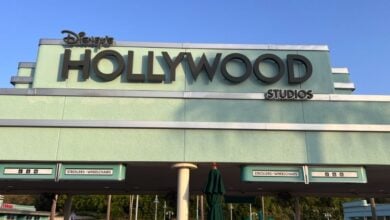
The theme park industry in the United States is experiencing significant growth, marked by a surge of new openings and expansions. Recent additions include a Peppa Pig theme park in Texas and plans for a Universal Kids Resort, set to debut in 2026. These developments highlight the emerging competition among regional parks as they vie for attention against well-established giants like Disney and Universal.

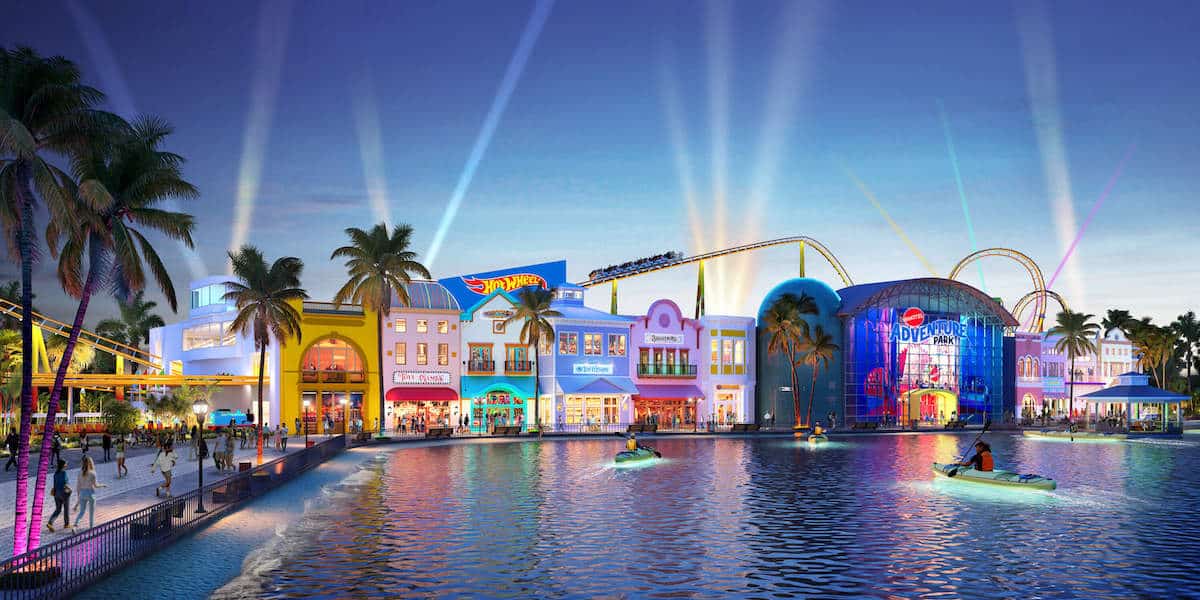
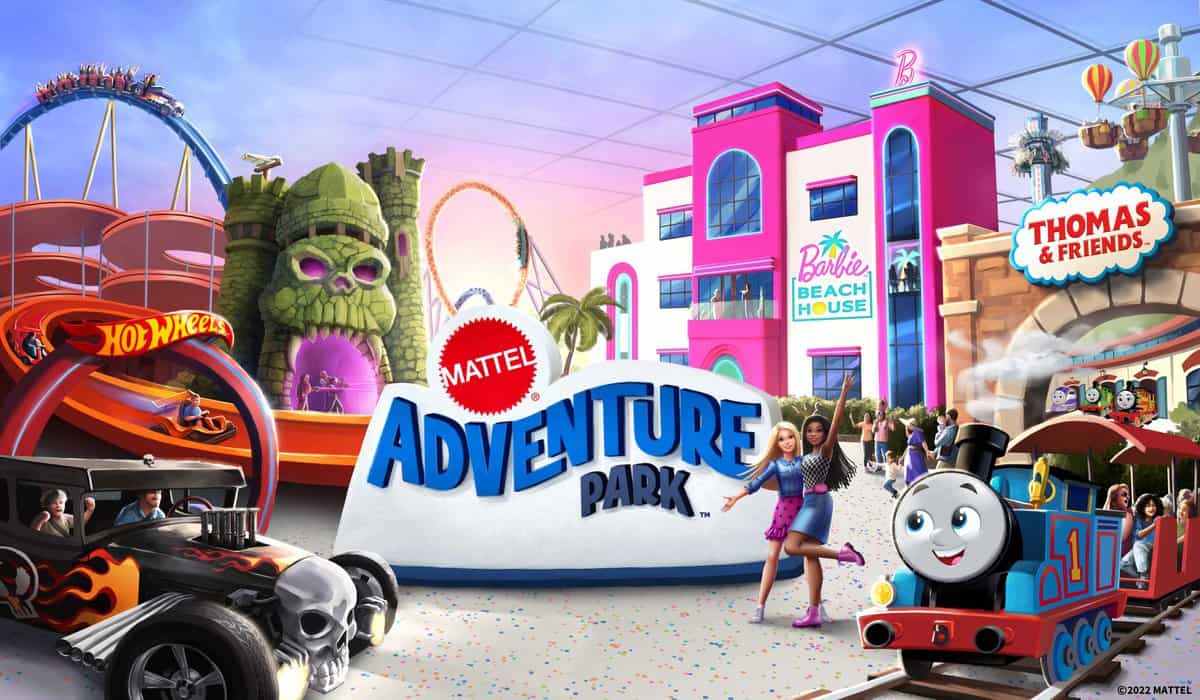
Mattel, known primarily for its iconic toy products, is now entering the fray by launching two new theme parks — one in Arizona and another in the Kansas City, both anticipated to open in 2026. This move reflects a broader trend where alternative theme park options are increasingly appealing to families seeking diverse entertainment.
As various parks expand their offerings, this vibrant atmosphere fosters increased tourism in their respective locales. Parks are now becoming a staple for families, providing experiences that cater to children and parents alike.

Municipal Regulations: Controlling Development
Amid this boom in theme park construction, municipalities are establishing new regulations to control the development and expansion of these attractions. The desire to manage the aesthetics and height of structures is growing as local governments seek a balance between fostering tourism and maintaining community satisfaction.
Recent laws have been enacted to limit the height of buildings and rides, ensuring that theme parks do not disrupt the local landscape. Height restrictions are becoming increasingly common as municipalities aim to ensure that parks do not become visually imposing structures. These measures reflect a growing awareness of the need to maintain neighborhood aesthetics, a concern that resonates with many residents who live near these entertainment facilities.
Moreover, while local governments acknowledge the financial benefits derived from incoming tourism dollars, they are committed to addressing potential negative impacts on residents’ quality of life.
Spotlight on Bonner Springs: An Example Set
Bonner Springs, Kansas, has emerged as a notable example of these new regulatory efforts. The local city council has enacted legislation that limits the height of buildings and attractions at the upcoming Mattel theme park. Under the new regulations, structures will be capped at ten stories, while thrill rides must not exceed 120 feet unless they meet specific transparency design criteria.
Mark Lee, Bonner Springs's Community and economic director, emphasized the importance of carefully crafted regulations by referencing successful models from other cities. The intent behind such measures is to create a harmonious environment where economic development and community welfare coexist.
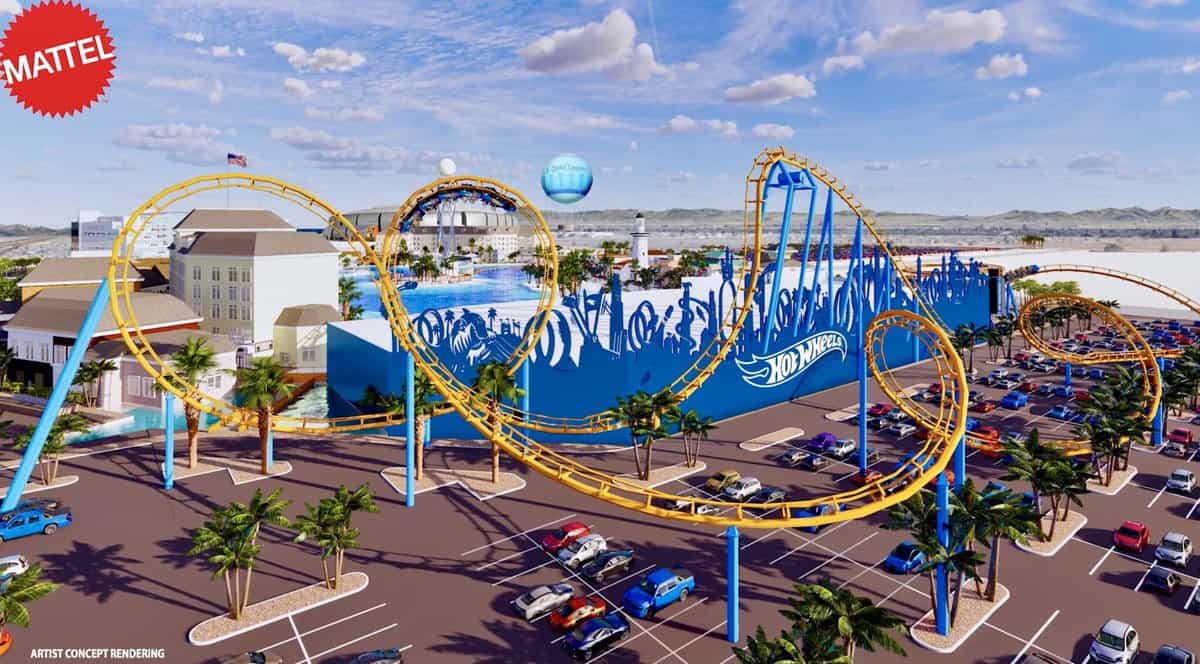
However, the newly imposed restrictions have sparked mixed reactions among residents. While some support the legislation to preserve neighborhood aesthetics, others express concerns about the potential limitations on the excitement traditionally associated with major theme park attractions. The challenge remains for city officials to ensure that theme parks can be entertaining while mitigating resident concerns.
Implications for the Future of Theme Parks
The implementation of these new regulations signals a potential shift in theme park design and development. With height limits becoming a standard practice, parks may need to innovate ride designs and visitor experiences to comply with local laws while attracting thrill-seekers.
Industry experts predict that the restrictions on ride heights could lead to novel marketing strategies where parks may highlight interactive and immersive experiences that do not rely solely on towering attractions for excitement. This creative response to legal constraints may lead to unique attractions prioritizing innovative design over height.

As municipalities continue to adopt such regulations, the expectations of theme park visitors are likely to evolve as well. While traditional thrill rides have typically relied on height and speed to draw crowds, parks must adapt to diversify their attractions and meet new visitor standards.
The landscape for theme parks in the United States is changing significantly, driven by both new opportunities for development and the regulatory frameworks aiming to control them. With industry players such as Mattel introducing new parks, ongoing collaboration between local governments and developers is essential to ensure growth occurs in a manner that respects community aesthetics and visitor experience. The outcome of this dual focus remains to be seen as the theme park industry navigates its future amid an evolving regulatory environment.