If there’s one thing Disney does better than almost anyone, it’s turning nostalgia into serious cash. Whether it's a Mickey plush, a $7 churro, or a $499 Lightning Lane pass, Disney has monetized almost every aspect of its brand.
And for a while, fans rolled with it.
But after years of remakes and reboots—and a jaw-dropping quote from CEO Bob Iger—fans are starting to push back.

Not All Remakes Are Fails
Sure, some live-action remakes have been genuine financial wins. It’s easy to see why Disney kept greenlighting them:
The Lion King (2019): $1.66 billion
Beauty and the Beast (2017): $1.26 billion
Aladdin (2019): $1.05 billion
Lilo & Stitch (2025): Over $1 billion
Lilo & Stitch didn’t just perform—it helped catapult Stitch into the #2 spot on Disney’s merch throne.
Meanwhile, Mulan didn’t pull huge box office numbers thanks to COVID, but it still earned an impressive 88% Rotten Tomatoes score.

But Many Just Don’t Work
Still, the flops are stacking up—and fans are noticing:
Snow White (2025): $205.5M and only 39% on Rotten Tomatoes
Dumbo (2019): 46% RT, $353.3M
The Little Mermaid (2023): $569.5M, 67% RT
Pinocchio (2022): 27% RT (ouch)
Lady and the Tramp (2019): 67% RT on Disney+
They’re flashy, expensive, and—let’s be honest—forgettable. The visuals may look modern, but many of these remakes lacked heart, soul, or a reason to exist beyond brand recognition.
Fans often left feeling like they’d paid premium prices for watered-down versions of childhood favorites, and the reviews reflect that disappointment.

Sequel Fatigue Is Real
There’s a difference between expanding and running a story into the ground.
Some sequels hit the mark:
Inside Out 2 (2024): Massive hit
Monsters University (2013): Generally well-liked
But these didn’t:
Mufasa (2024): 56% RT
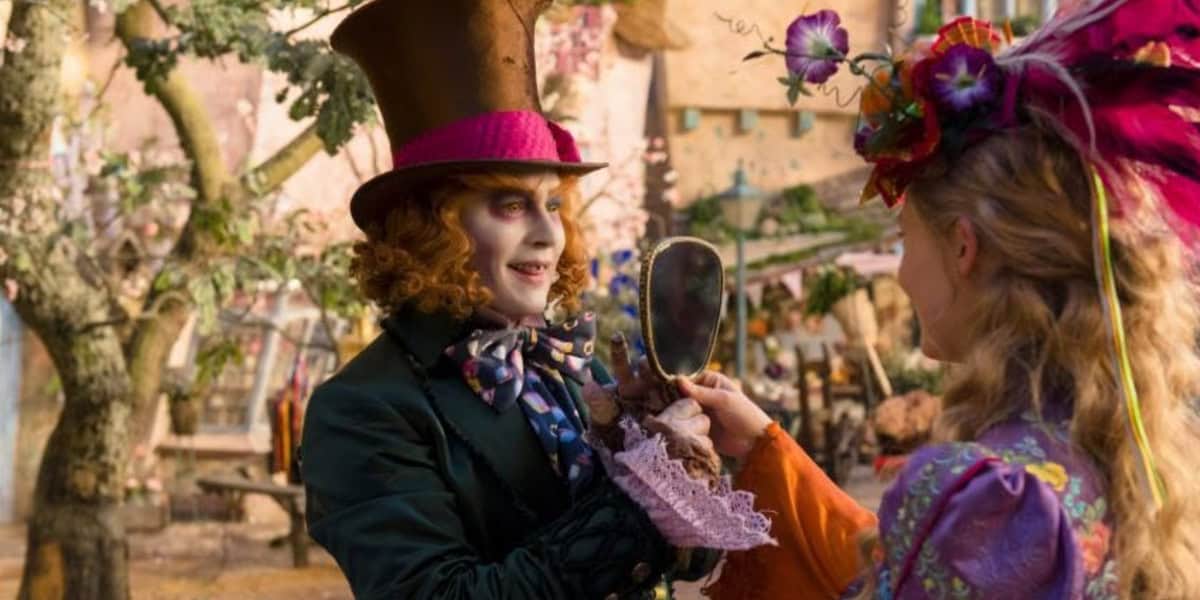
Alice Through the Looking Glass (2016): 29% RT
Maleficent: Mistress of Evil (2019): 40% RT
And don’t get fans started on Fox and the Hound 2 or Return to Neverland
Even when they make money, they rarely win hearts like the originals.
Then Bob Iger Spoke Up…
During a recent earnings call, Iger dropped this gem:
“The more we can find and develop original property, the better.”
Cue the internet’s collective eye roll.
Iger doubled down, saying Disney’s existing franchises bring in the big bucks, so they will keep using them. He brushed off concerns about originality by insisting Disney just wants to “make great movies.” Fans weren’t exactly sold on that one.
Disney has been leaning hard on sequels and reboots. From Toy Story 5 to Frozen II to Zootopia 2, originality hasn’t exactly been front and center.

And when Disney does release original films (Wish, Elio, Elemental), they often flop—either because marketing didn’t push them or because audiences were exhausted.
Iger admitted that Disney’s existing IPs are incredibly profitable, so the company continues to rely on them. He emphasized that the goal now is simply to “make great movies”—regardless of whether they’re original or not.
The theme parks tell a similar story of creativity fading. Gone are the days of rides like Expedition Everest or Space Mountain. Now, it’s Moana and Frozen—everything.

Fans See Through the Magic
Bob Iger’s comment felt more like PR spin than genuine change. Fans are tired of being sold nostalgia wrapped in shiny new packaging. The company’s creativity used to set it apart. Now, it often feels like a franchise factory.
So, fans aren't just skeptical when Iger claims that original stories are a priority. They’re laughing.
And honestly? Who can blame them?
Ultimately, Disney fans should brace themselves—because the future isn’t full of fresh, lovable originals, but more sequels, reboots, and recycled content dressed up as something new.