Starting Sunday, June 28, 2026, Walt Disney World is permanently changing the rules of the road. Anyone attempting to board a resort-bound bus or a Sassagoula River Cruise water taxi departing from Disney Springs will face a mandatory verification checkpoint. To step into the boarding queue, guests must scan a MagicBand or show digital proof of an active resort hotel stay, an advance dining reservation, or a confirmed experience booking.

On paper, this strict policy targets a legendary workaround: the infamous “free parking hack,” where day-trippers and local annual passholders leave their cars at Disney Springs for free and use complimentary Disney transportation to bypass the $35 theme park parking fee.
But while closing this loophole secures parking revenue and keeps lines tidy on paper, transit experts and frustrated parkgoers are pointing out a glaring reality: targeting locals is a band-aid solution. It does absolutely nothing to fix Disney World’s true underlying emergency—a severely overstressed infrastructure system trapped in a historic bottleneck. Banning people from select buses won't help ease a property-wide transit crisis driven by heavy bulldozers and concrete walls, not local passengers.
The Infrastructure Reality Check
Blaming offsite guests or local annual passholders for system-wide transportation gridlock completely miscalculates the math. Locals rarely use the primary resort-to-park bus loops during morning and evening rush hours; the vast majority drive their own vehicles directly to the theme park lots where their pass tiers grant them free parking.
The real culprit behind the ninety-minute wait times and overflowing bus bays is an outdated internal roadway and transit framework currently pushed to its absolute geometric limits.
Walt Disney World is currently choking on its own progress. The internal transit system was never designed to manage record-breaking modern crowd capacities while simultaneously surrendering massive footprints of land to construction walls and heavy machinery. When a primary perimeter road is closed or detoured, a single delayed bus line can set off a domino effect across the entire fleet. Banning a local family from a bus does nothing when an industrial convoy blocks the actual roadway.
The Three-Park Construction Crunch
To understand the sheer scale of the infrastructure strain, look at the massive physical transformations happening simultaneously across three theme parks and a majority of the resort hotels. The remaining usable real estate has been forced into a tight squeeze.
| Location | Major 2026 Construction Impact | Direct Effect on Infrastructure & Transit |
|---|---|---|
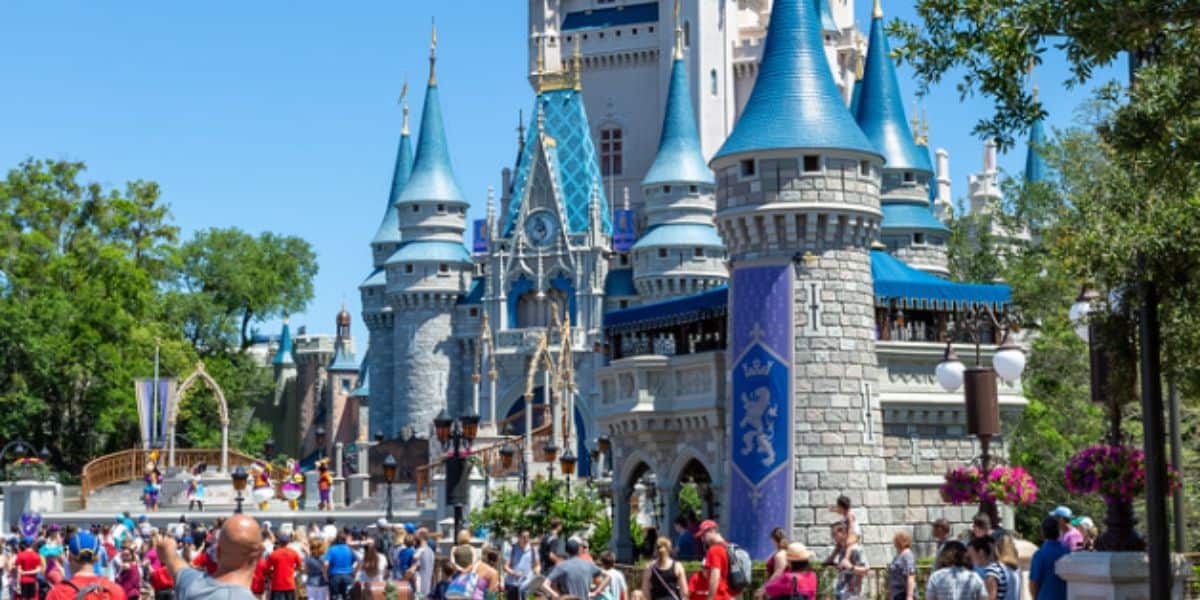
| Magic Kingdom | “Beyond Big Thunder” frontier expansion, land clearing, and utility prep. | Heavy industrial vehicle traffic on perimeter roads; closure of bypass pathways; major bottlenecks at the central transportation hub. |
| Disney's Animal Kingdom | Total transformation of DinoLand U.S.A. into the new “Tropical Americas” land. | Massive construction walls restricting guest flow; pedestrian and vehicular gridlock redirected toward the front entrance plazas. |
| Disney's Hollywood Studios | Early construction prep for the newly announced Monsters, Inc. land and Animation Courtyard overhaul. | Elimination of secondary overflow pathways; heavy crowding near security checkpoints and the shared bus/Skyliner plaza. |
| Resort Hotels | Massive room overhauls, tower additions, and reimagining projects across multiple flagship resorts. | Staging areas reclaiming guest parking lots; delivery trucks conflicting with standard bus lanes and restricting internal navigation. |
The Long-Term Cure: What Disney is Doing to Fix the Foundation
Fortunately, Disney leadership is fully aware that the current structural layout cannot sustain the upcoming expansions. To combat the bottleneck, a significant portion of the company’s historic $60 billion capital expenditure fund is being funneled directly into heavy civil engineering and transit expansion projects.

Active Infrastructure Initiatives Underway:
- Dedicated Bus Lanes: Multi-phased roadwork along World Drive and Osceola Parkway is actively adding dedicated, completely isolated bus lanes to major traffic corridors, allowing the transit fleet to entirely bypass standard guest traffic during park-exit hours.
- Transit Hub Overhauls: Structural redesigns are being drafted for park entrance drop-off points, creating larger, high-capacity bus loops that can accommodate multi-car articulated buses without causing vehicular tailspins.
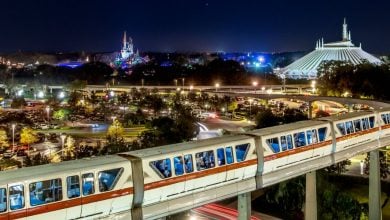
- Next-Gen Alternative Transit: With the Skyliner operating at absolute maximum capacity, engineering teams are actively evaluating automated, non-roadway transit systems to link upcoming park expansions directly to newer hotel wings, permanently taking vehicles off the pavement.
Fix the Foundation First
Enforcing strict reservation checks at Disney Springs might look like swift corporate action, and it certainly deters parking bypassers, but it creates a negligible impact on a property-wide problem. Disney World doesn't have a passenger problem; it has a capacity and geometric layout problem brought on by a massive, necessary, but highly disruptive construction boom.
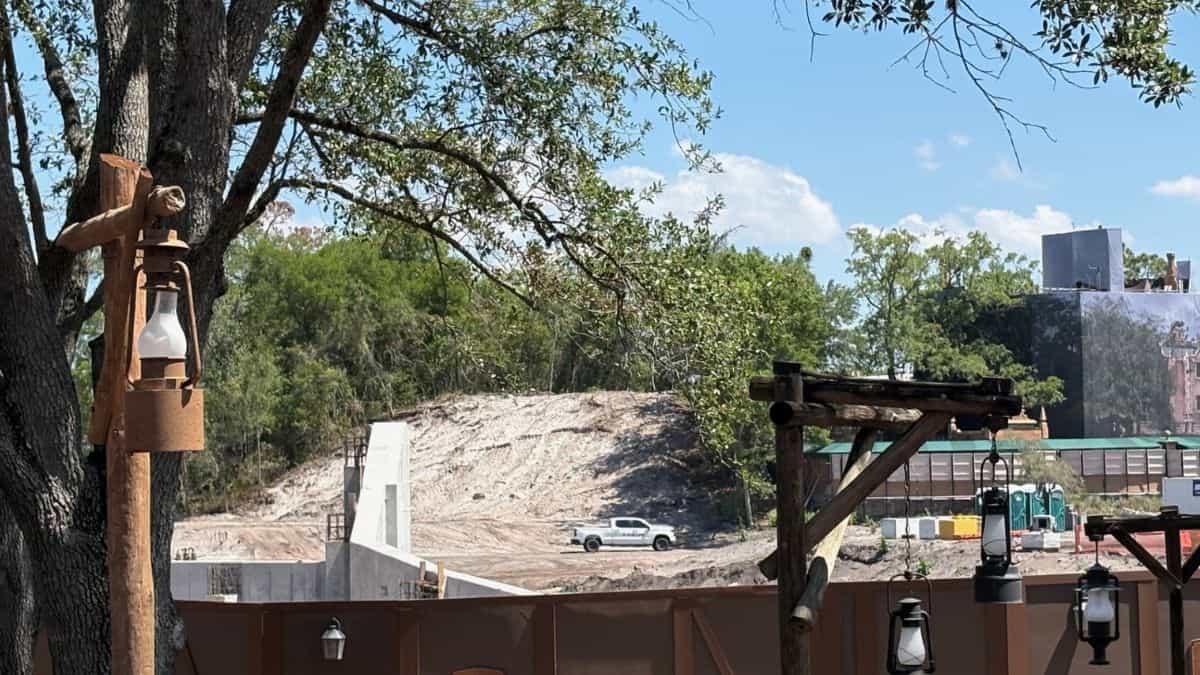
Until the walls come down, the new lands open, and the dedicated transit lanes are fully paved, transportation bottlenecks will remain an unavoidable reality of the vacation kingdom. No amount of passenger bans can change the physical limits of a gridlocked system in transition.