

For generations, the “Disney Trip” was the ultimate badge of middle-class success. It was the vacation parents saved for in a dedicated jar on the kitchen counter—a week of Mickey bars, fireworks, and the belief that “the magic” was accessible to anyone with a little bit of planning.

But as we look toward the next decade, that jar is going to need to be much, much bigger. According to recent financial projections and historical pricing trends, the cost of a standard six-night, seven-day family vacation at Walt Disney World is expected to surge past $11,000 by 2031.
We aren't just talking about a “price hike” anymore. We are witnessing the systematic transformation of a cultural institution into an exclusive luxury enclave.
The $11,000 Reality Check
To understand why the $11,000 figure is so jarring, we have to look at the velocity of the increase. In the early 2010s, a family of four could swing a moderate Disney vacation for roughly $5,000. By 2024, that number had climbed to over $8,000.

As of 2026, “Value Resorts” like Pop Century are already regularly clearing $250 per night, and a single-day ticket to the Magic Kingdom has officially broken the $200 barrier during peak seasons. When you project these 6-8% annual increases out to 2031, the math becomes inescapable:
- Tickets: Expected to hit $250+ per person, per day for base admission.
- Lodging: “Value” rooms will likely average $350/night, while Moderate resorts head toward $600/night.
- Dining: With quick-service meals already averaging $18-$22 per person in 2026, a family’s daily food budget will easily exceed $300 without a single character breakfast.
The Death of the “All-Inclusive” Illusion
Part of the middle-class “pricing out” isn't just the base cost—it’s the fragmentation of the experience. Previously, the ticket price bought you the whole park. Today, the ticket is merely a “cover charge” to enter the building.

The introduction of paid skip-the-line services has fundamentally altered the math. What used to be the free FastPass+ is now the Lightning Lane Multi Pass, which in 2026 can cost up to $45 per person, per day. For a family of four, that is an extra $1,260 over a seven-day trip just to avoid four-hour wait times. By 2031, these “micro-transactions” (including the new Premier Pass tiers) could account for nearly 20% of the total vacation budget.
“Disney has essentially reached the ‘Spirit Airlines' phase of theme park management: the base price gets you through the gate, but everything from a shorter line to a decent view of the fireworks comes with a surcharge.”
The Corporate Pivot: Targeting the “High-Yield” Guest
While fans are understandably upset, Disney’s leadership has been surprisingly candid about this shift. Recent statements from Disney executives have highlighted a focus on “higher-income guests” and “per-capita spending.” The strategy is simple: Disney would rather host fewer people who spend more money than a larger crowd of budget-conscious families. By raising prices, they mitigate “crowd complaints” while simultaneously driving record-breaking profits.
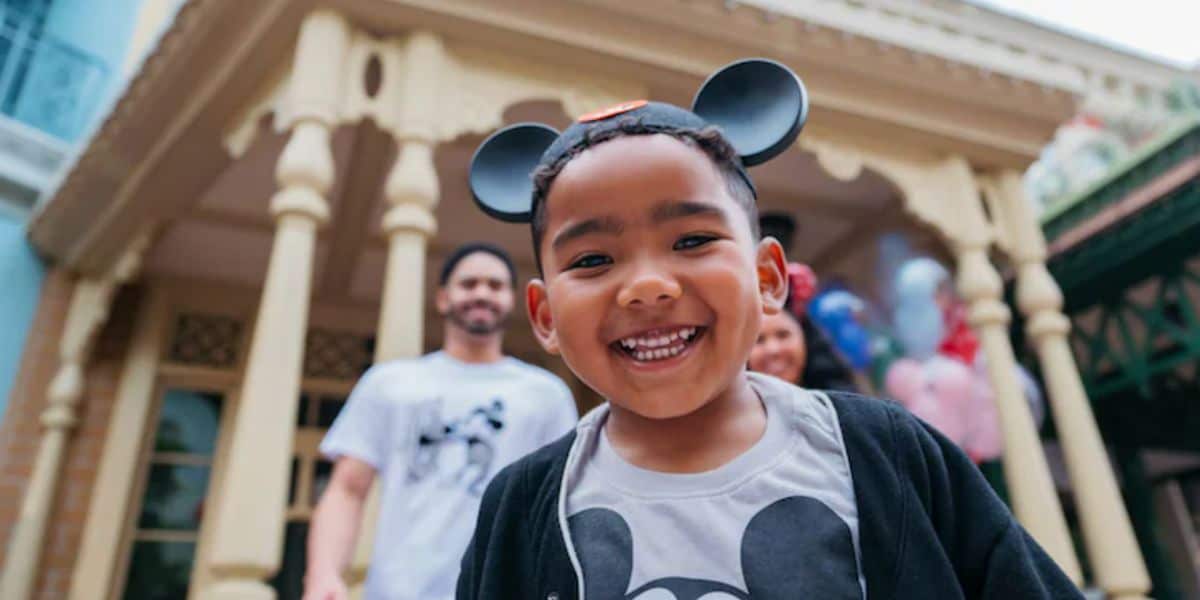
In 2026, the company is seeing its highest profit-per-guest numbers in history. For the CEO and the Board of Directors, the $11,000 price tag isn't a problem to be solved—it’s a goal to be met. It ensures a “premium” environment for those who can afford it, effectively turning the Magic Kingdom into a gated community for the top 10% of earners.
Where Does This Leave the American Family?
For the average household earning the median income, a Disney vacation is moving from a “once every few years” event to a “once in a lifetime” expense—or something that is simply skipped entirely.

Recent surveys show that 45% of parents with young children are now willing to go into debt to afford a Disney vacation. We are seeing families take out personal loans or “Buy Now, Pay Later” plans just to meet Mickey Mouse. When a vacation requires the same financial commitment as a down payment on a house or a new car, the “magic” starts to feel a lot more like a financial burden.
The Rise of the “Disney Alternatives”
As Disney World becomes a luxury brand, we are already seeing a shift in travel patterns for 2026 and beyond:
- Universal Epic Universe: Competitive pricing and massive new expansions are drawing families who feel “Disney fatigue.”
- Regional Powerhouses: Parks like Dollywood, Silver Dollar City, and Busch Gardens are seeing record attendance from middle-class families who want high-tier entertainment without the five-figure price tag.
- The “Disney Lite” Trip: Families are increasingly staying off-property, packing their own lunches, and visiting for only two days instead of a whole week.
Conclusion: The $11,000 Threshold
By the time we reach 2031, the “middle-class Disney vacation” may be a relic of the past, spoken about in the same nostalgic tones as the 5-cent soda. The numbers don't lie: an $11,000 price point for a family of four isn't just a possibility; it's the trajectory the company has chosen.

Walt Disney’s original vision was a park where “parents and children could have fun together.” While that vision still exists in spirit, the financial barrier to entry has never been higher. If you're planning on taking your kids to see the castle in 2031, you'd better start saving today—or be prepared to treat your vacation like a second mortgage.





It is already out of reach for the average person. I think they will find out in real time. We used to go every year, it was our treat. Now it has been 6 years, and will probably be the last. I refuse to pay extra to get on rides. We had tickets that were to be good forever, well, they turned those into just water park tickets. Nice. Especially since we don’t do water parks but maybe once.
That is just greed. I also refuse to go into debt for a vacation that is all about how much they can bilk from you. Not worth it. I love Mickey Mouse and Disney but not enough to line the pockets of the big wigs.