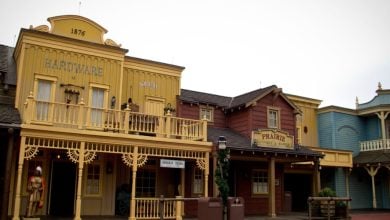
Concerns Over Cultural Representation
Disney's EPCOT World Showcase is facing increasing scrutiny as accusations of racial stereotypes come to light. Visitors have taken to social media to express their dissatisfaction with the portrayal of various cultures within the themed pavilions. Many guests describe their experiences as being steeped in oversimplified and exaggerated cultural representations, leading to feelings of disappointment regarding the authenticity of the displayed cultures.
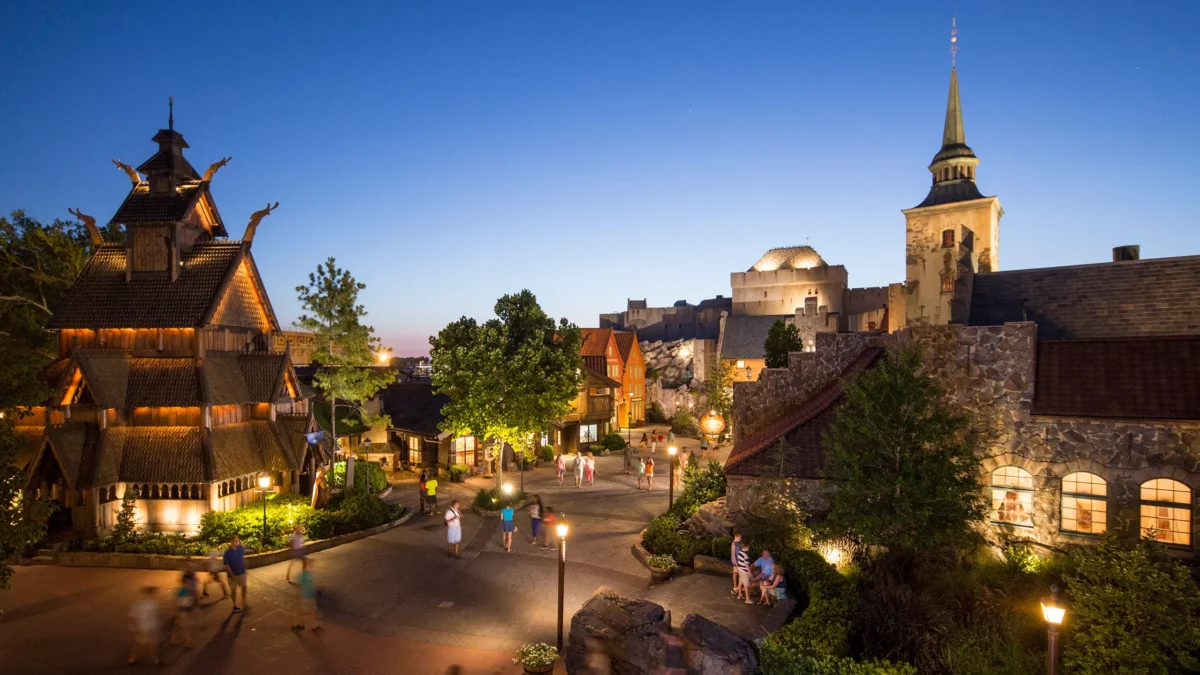
Particular areas of concern include the depictions of specific countries, such as Canada and Mexico, where guests have reported that representations focus mainly on clichés rather than accurately reflecting the diverse and complex identities of these nations.
For example, the portrayal of Canada has been criticized for its reliance on common stereotypes, such as maple syrup and plaid shirts. Such portrayals reinforce broader concerns regarding racial stereotypes within EPCOT World Showcase, as they contribute to an incomplete understanding of the cultures being represented.
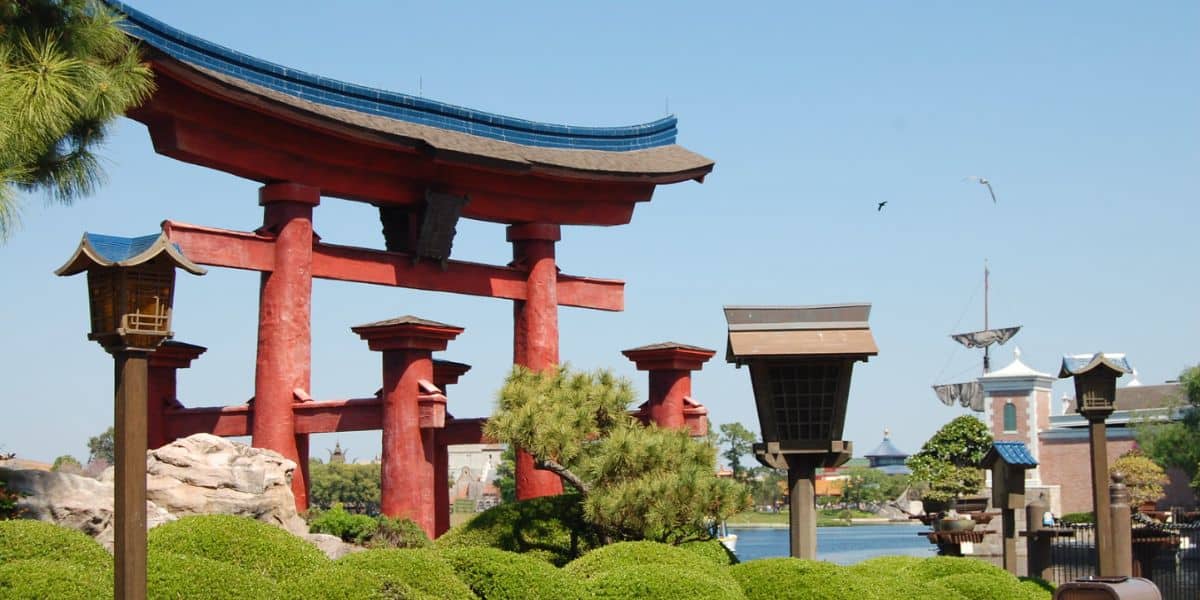
Guests have voiced concerns that the intentions behind EPCOT World Showcase's cultural exhibitions have been lost over time. Many believe that what started as an opportunity to engage with authentic cultural experiences has evolved into a frustrating display that prioritizes entertainment and commercial interests over genuine cultural representation.
Original Intent and Evolving Representation
The original vision for EPCOT World Showcase was to offer visitors an immersive experience highlighting the unique cultures and traditions of different nations. Disney aimed to promote cross-cultural appreciation by providing authentic interactions with the cuisines, customs, and people of the represented countries. However, the criticisms regarding racial stereotypes expose a disconnect between Disney's vision and the current visitor experience.
In its early years, EPCOT World Showcase featured significant input from the represented nations. Collaborations with diplomats and representatives were intended to craft pavilions that authentically reflected the spirit of their respective countries. This involvement lent credibility and authenticity to the cultural portrayals, thus enhancing the overall experience for guests.
Over the years, that direct representation has diminished, with corporate sponsors increasingly stepping in and altering how each nation is portrayed. As a result, this shift has raised concerns about whether the carefully curated representations continue to serve as accurate reflections of the cultures they aim to represent. Critics argue that this evolution has contributed to a loss of authenticity.
The Conflict of Authenticity and Commercialism
Critics of EPCOT World Showcase argue that many of the cultural experiences have been “Americanized,” thereby undermining their authenticity. Visitors with personal connections to certain cultures have noted that the dishes served in the pavilions, particularly in the Chinese and Japanese sections, often differ significantly from traditional offerings. This trend has sparked debate over how much genuine cultural representation guests can honestly expect.

The culinary experiences in EPCOT World Showcase frequently reflect an adaptation to American tastes rather than upholding fidelity to authentic ethnic cuisines. This misunderstanding of cultural nuances can contribute to reinforcing racial stereotypes rather than dispelling them, causing unintended consequences for the perceptions visitors form about these cultures.
As criticism mounts, Disney finds itself challenged to strike a balance between crafting fun, engaging experiences for guests while ensuring they respectfully represent the diverse cultures included in EPCOT World Showcase. The company faces increasing pressure to reevaluate its approach to attraction offerings and cultural portrayals, aiming to strike a balance that honors authenticity without compromising entertainment value.
The Role of Social Media in the Debate
Social media platforms have emerged as crucial discussion arenas for ongoing debates surrounding EPCOT World Showcase and its alleged use of racial stereotypes. Guests utilize these channels to share opinions, foster dialogue, and engage in conversations about cultural sensitivity, prompting a broader examination of representation in theme parks.
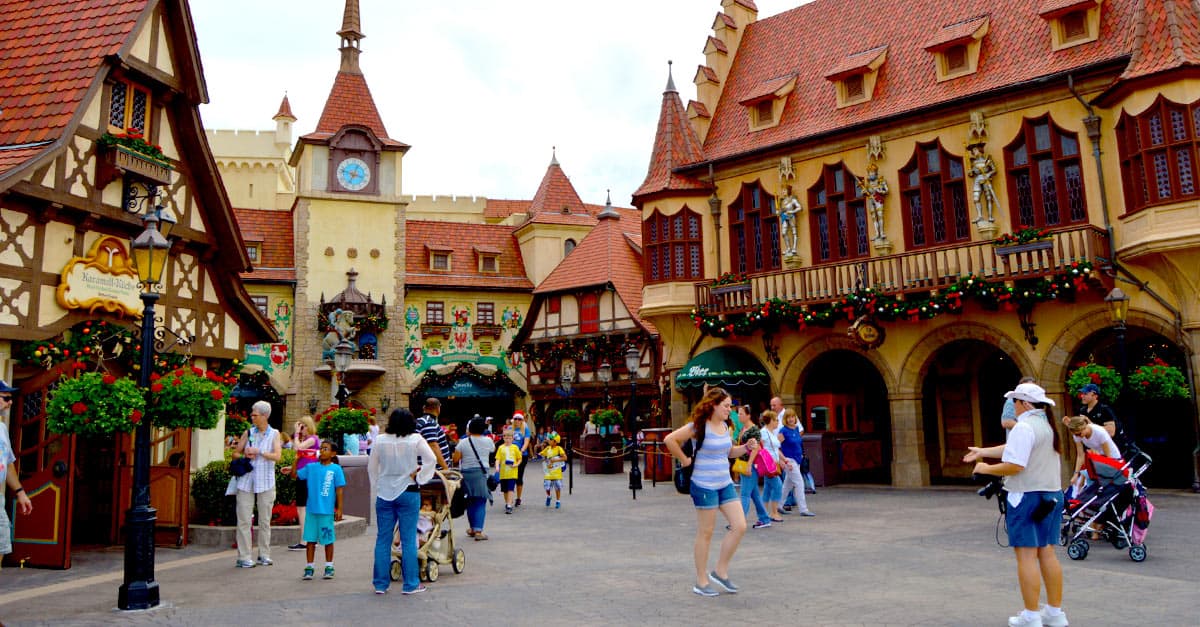
Conversations on social media have highlighted varied perspectives on the appropriateness of EPCOT's current cultural portrayals. Some individuals defend the World Showcase as a playful and educational experience, while others demand significant changes to ensure respectful cultural representations. This divergence of views illustrates the complexity of artistic representation in entertainment and the multifaceted nature of the public discourse.
As the conversation around EPCOT World Showcase evolves, the implications for its management are significant. Disney may need to reconsider how it presents cultural stories and experiences moving forward. The demand for accountability from corporations regarding cultural sensitivity will likely influence how changes are implemented in the pavilions, as visitors increasingly seek balanced and respectful portrayals of the cultures being highlighted.
The ongoing scrutiny of EPCOT World Showcase centers around the critical need for authenticity in cultural representation. The challenges that arise from commercial influences, coupled with the evolving dialogue on race and representation, underscore a growing demand for Disney to honor the true essence of the nations showcased while providing visitors with genuine cultural experiences