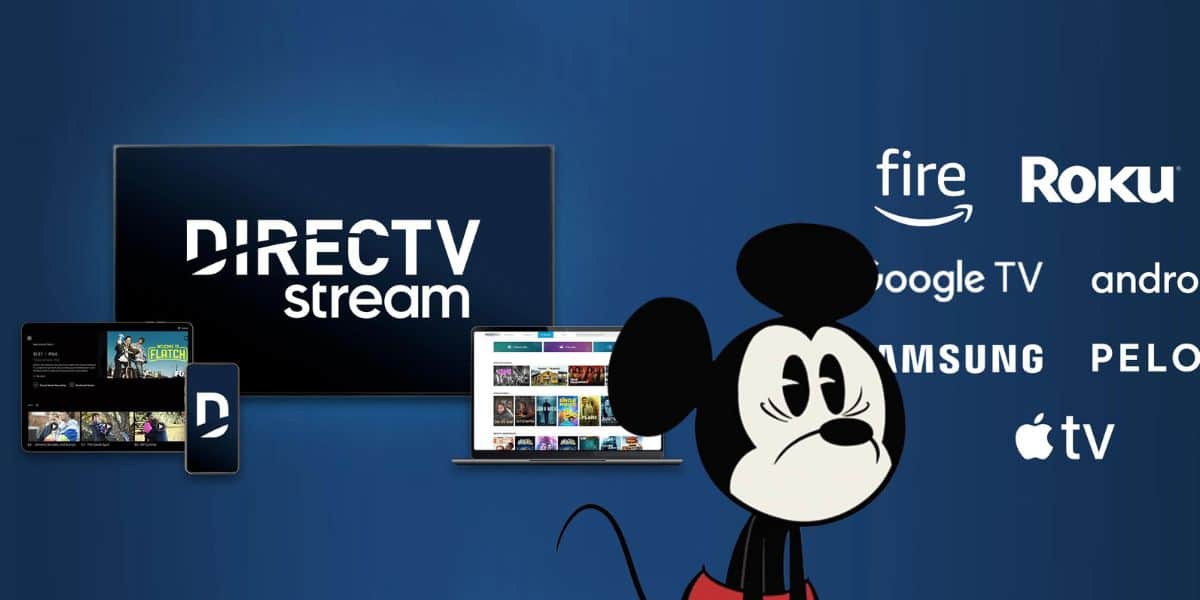
The recent carriage dispute between Disney and DirecTV escalated after their agreement expired on September 1, 2024. This lapse resulted in a significant blackout for approximately 11.3 million DirecTV subscribers, who suddenly lost access to several key Disney-owned channels, including the Disney Channel, ABC, and ESPN. The blackout occurred during prime sports viewing seasons, aggravating consumers who were left without access to nationwide broadcasts of college football and other major events.
Related: Disney Channel Original Movies Millennials Love!
In the wake of this disruption, customer reactions were vocal and widespread. Individuals expressed frustration over losing access to favorite channels, particularly due to the coinciding sports events. DirecTV faced mounting pressure as subscribers reported feeling blindsided by the sudden removal of popular programming.
Disney claimed that DirecTV was forcing its customers to spend money on cable packages that contained many unpopular channels. They wanted DirecTV to offer more options and let customers purchase only the channels they wanted.
DirecTV argued that Disney was trying to take advantage of the company by forcing it to create “skinny” packages. They said that “skinny” packages would force customers to pay more while getting less.
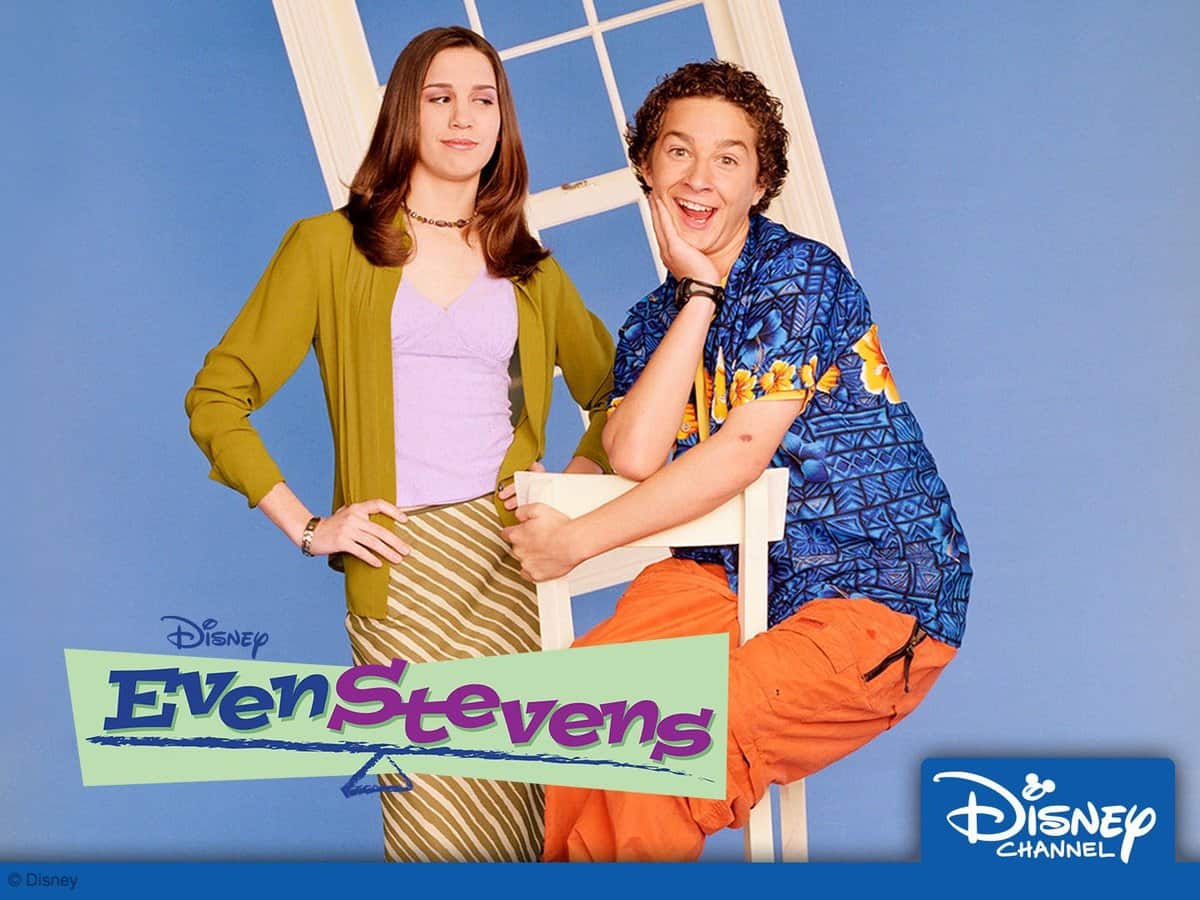
Thankfully, Disney and DirecTV were able to reach an agreement on September 14, 2024, and the blocked channels were immediately restored to customers.
In the aftermath of the service disruption, Disney responded to DirecTV’s accusations of bad-faith negotiation. The entertainment giant formally requested that the Federal Communications Commission (FCC) dismiss the complaint, arguing that DirecTV had misconstrued the nature of their negotiations.
It noted that the Aug. 31 issue list made “no reference whatsoever to the filing of complaints before regulatory authorities, including the FCC” and pointed out that the agency does not resolve claims concerning breaches of privately negotiated contractual agreements. Instead, it resolves claims about whether a party has breached its duty to negotiate in good faith under its own rules. The company argues that a review of the full record of negotiations would “lead any rational fact finder to conclude that Disney has more than met that duty.”
Related: Disney Lost to Universal When It Turned Down This Iconic Film
Disney emphasized the importance of good faith in negotiations, asserting that it always aimed to reach a fair resolution. The company maintained that a thorough review of the negotiation records would demonstrate that it had abided by its duty to negotiate in good faith.
Disney contended that the satellite company had mischaracterized its actions during discussions to renew the carriage agreement. It also claimed that it had never acted in bad faith, and DirecTV never proved that it did.
As both Disney and DirecTV seek to redefine their partnership amidst a backdrop of competition and changing consumer habits, the resolution of this dispute will likely influence the formulation of future content distribution agreements across the industry. This includes how streaming services adapt to traditional frameworks and the potential impact on consumer pricing and choice. The stakes remain high as companies strive to align their business models with evolving consumer preferences while managing collaborative relationships that are increasingly fraught with tension.
Do you think Disney acted in bad faith during its negotiations? Or were they just trying to make things fair? Let us know in the comments!