For decades, the “Disney vacation” was the quintessential milestone of American childhood. It was the place where parents willingly braved humidity and long lines just to see their children experience a moment of pure, unadulterated magic. But in 2026, that magic has a new, much steeper price tag—and it’s increasingly clear that the “Magic Kingdom” is no longer being built for the kids.

According to recent reports from the LA Times and Deseret News, a fundamental shift is occurring within The Walt Disney Company. The “Happiest Place on Earth” is pivoting away from the middle-class family and toward the “Disney Adult”—a demographic that doesn’t require strollers, doesn't nap, and, most importantly, has a seemingly bottomless well of disposable income.
The Financial Paywall: Pricing Out the “Average” Family
The most glaring evidence of this shift is the cost. As Deseret News recently highlighted, the concept of an “affordable” Disney trip has officially moved into the realm of fantasy. Between 2024 and 2026, the introduction of high-tier “Lightning Lane Premier Passes” and dynamic ticket pricing has turned a standard family vacation into a luxury investment.

For a family of four, a single day at the park can now easily exceed $1,500 when you factor in parking, food, and the “pay-to-play” skip-the-line fees. For the childless “Disney Adult” couple, these costs are a manageable splurge for a weekend getaway.
For a parent of three, they are a barrier to entry. By pricing convenience as a premium luxury, Disney has effectively created a two-class system: the “haves” who zip through Lightning Lanes, and the “have-nots” who spend half their vacation standing in 120-minute standby lines with restless toddlers.
Thrills Over Thematic Wonder
It isn't just the price; it’s the physical evolution of the parks. The LA Times recently pointed out that the “Disney Adult obsession” is dictating ride design. The most recent major additions—like TRON Lightcycle / Run and Guardians of the Galaxy: Cosmic Rewind—are high-intensity thrill rides. While they are engineering marvels, they often require heights and intensity levels that exclude the youngest guests.

Classic “omni-mover” dark rides, which allowed three generations of a family to sit together in a single ride vehicle, are being passed over for “E-ticket” attractions designed for thrill-seekers. The focus has shifted from storytelling that appeals to the “child in all of us” to high-octane experiences designed for the “adult who wants an adrenaline rush.”
The Culinary “Gastropub” Transformation
Nowhere is the adult-centric pivot more obvious than in the food. EPCOT, once a hub for cultural education, has essentially transformed into a year-round rotation of food and wine festivals. While the LA Times notes that these events are massive revenue drivers, they have also fundamentally changed the park’s atmosphere.
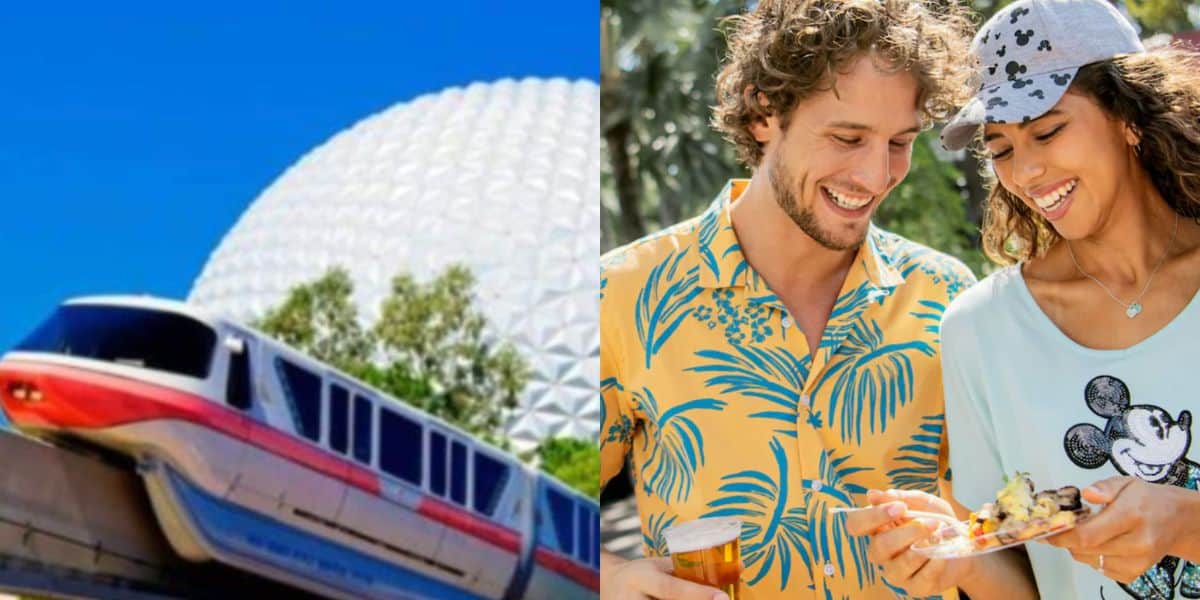
The “drinking around the world” culture has turned the World Showcase into a high-end gastropub crawl. While fine dining and curated cocktails are great for business, they take up the physical and financial real estate once reserved for family-friendly, quick-service dining. When a dinner reservation for two costs more than a week’s worth of groceries, it’s clear who the menu is designed for.
The “Whale” Strategy: Why Families Are the New Second Choice
From a cold, corporate perspective, Disney’s strategy makes sense. As Deseret News explores, “Disney Adults” are the ultimate “whales.” School schedules don't restrict them; they stay in high-end Deluxe resorts, and they buy the expensive, limited-edition merchandise that a parent on a budget would have to skip.

Disney has realized that a childless couple spending $4,000 on a three-day weekend is more profitable—and requires less infrastructure—than a family of five trying to make a $4,000 budget stretch for an entire week. The parks are optimized for the guest who spends the most per hour, not for the guest making their first childhood memory.
The Long-Term Cost of Exclusion
The tragedy of this shift is the “Nostalgia Gap.” Disney’s current success is built on the loyalty of adults who fell in love with the parks as children. By pricing out today’s middle-class families and prioritizing high-intensity, adult-centric experiences, Disney is failing to cultivate the next generation.

If a child in 2026 grows up viewing Disney as an “exclusive club for the rich” rather than a “kingdom for kids,” the magic will eventually run out. As the LA Times and Deseret News suggest, the “Magic Kingdom” is currently winning the battle for the adult dollar, but it might be losing the war for the future of childhood.