Disney's live-action remake strategy has often been described as an attempt to faithfully recreate beloved animated classics while introducing them to a new generation. Some remakes, like The Lion King (2019), stayed remarkably close to the source material, while others, including Snow White (2025), ventured in new directions.
With Moana (2026), Disney lands somewhere in the middle.
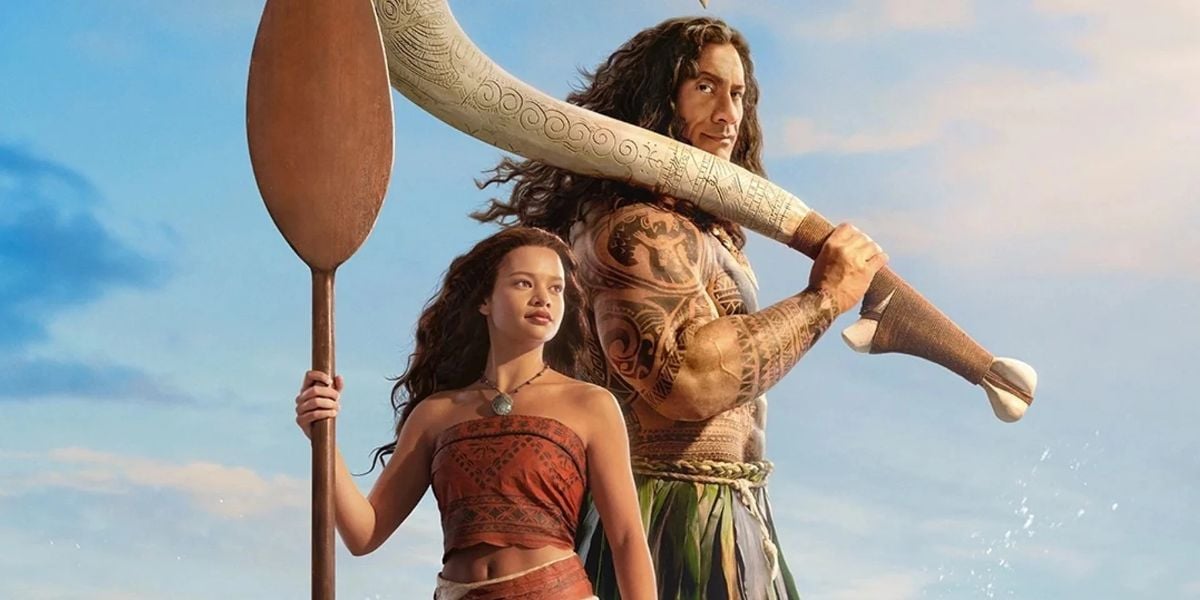
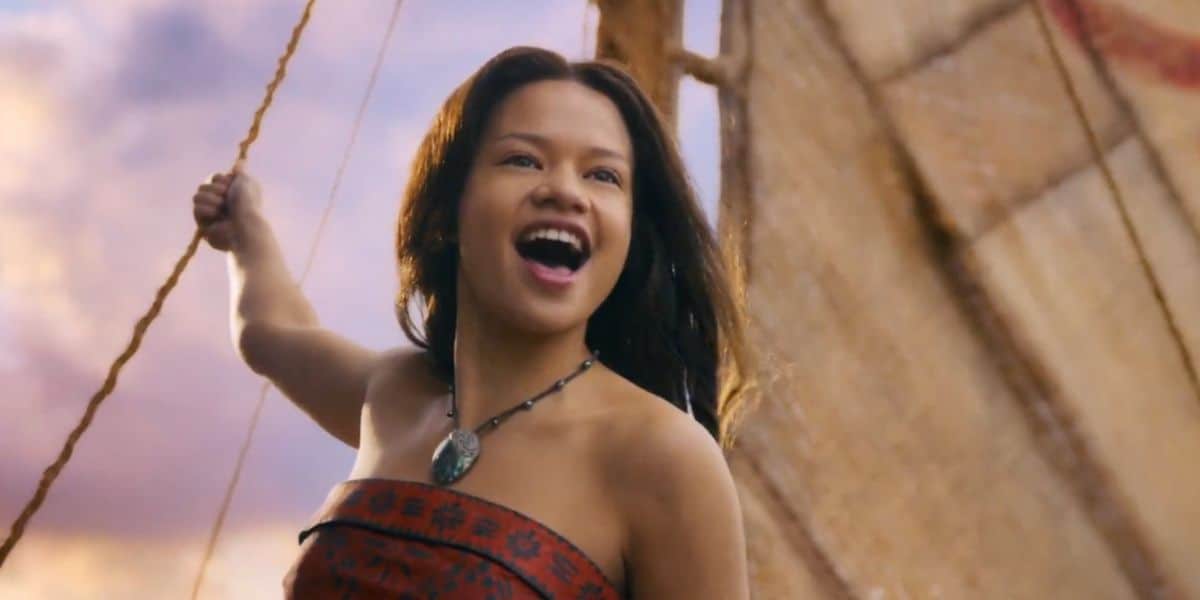
At first glance, the film feels almost identical to the animated phenomenon that debuted in 2016. The familiar songs return, the major story beats remain intact, and Dwayne Johnson reprises his role as Maui alongside newcomer Catherine Laga'aia as Moana. Fans expecting the same emotional journey largely get exactly that.
Look a little closer, however, and a different picture begins to emerge.
Across nearly two hours, Disney quietly rewrites multiple pieces of established Moana lore. Some changes are tiny enough to escape casual viewers, while others alter character relationships, emotional motivations, and even the film's overall personality.
Rather than creating a completely new version of the story, Disney has subtly rewritten one of its most successful modern animated films.
The humor has changed
Perhaps the most noticeable shift isn't tied to a single scene but to the film's overall tone.
The original Moana thrived on energetic comedy. Maui's exaggerated reactions, quick jokes, and over-the-top confidence made him one of Disney's funniest recent characters. The animation also allowed for expressive facial reactions and visual gags that naturally complemented the humor.
The live-action version takes a more restrained approach.
Johnson still brings plenty of charm to Maui, but the character feels more grounded than his animated counterpart. Several familiar jokes are delivered with less intensity, while other comedic moments have been simplified or removed altogether.
Instead of constantly chasing laughs, the remake spends more time emphasizing the emotional stakes between Moana and Maui.
The result is a film that feels slightly more dramatic, even though the story itself remains largely unchanged.
Chief Tui's backstory has been rewritten
One of Disney's biggest changes involves Moana's father.
In the animated film, Chief Tui refuses to let Moana sail because he once watched his best friend drown beyond the reef. That tragic event explains his fear of the ocean and shapes his relationship with his adventurous daughter.
The remake changes that history.
Now, the person lost during that voyage is Chief Tui's cousin rather than his closest friend.
The emotional impact remains similar, but longtime fans immediately notice that Disney has altered an important piece of established character history.
It's a relatively small adjustment, yet it changes a detail that had been part of Moana canon for ten years.
Moana's parents receive different treatment
Another noticeable revision comes within Moana's own family.
In the original film, Chief Tui and Sina function almost as equal parents. While Tui often represents caution and responsibility, Sina quietly encourages Moana to embrace who she truly is.
The remake shifts that balance.
Chief Tui receives additional scenes and more emotional development, allowing audiences to better understand why he fears the ocean.
Meanwhile, Sina appears less frequently than she did in the animated version.
It's a subtle redistribution of screen time, but it changes how the family dynamic plays out throughout the film.
Disney scales back Pua
Few Disney sidekicks have become as beloved as Pua.
The little pig was featured heavily throughout promotional material for the original movie and became one of the franchise's most recognizable characters.
Ironically, he barely factors into the remake.
Pua appears early in the story but largely disappears once Moana's adventure begins.
Instead, Hei Hei remains the primary animal companion, even gaining a handful of new comedic interactions with Maui that weren't present in the original film.
For fans hoping to see more of Pua in live action, the remake may be one of the biggest disappointments.
Certain jokes simply don't exist anymore
Not every line from 2016 survives intact.
One notable example comes when Maui jokingly signs an autograph using Hei Hei's beak and remarks that writing with a bird is called “tweeting.”
That joke has been removed entirely.
Given how dramatically social media has changed since 2016, it's easy to understand why Disney may have decided it no longer fit naturally within the film.
It's also part of a broader pattern throughout the remake.
Several jokes have either been rewritten, softened, or delivered in a quieter way, helping create a movie that feels less cartoonish than its predecessor.
Small visual changes reward attentive fans
Some of Disney's revisions are surprisingly easy to miss.
Moana's magical childhood encounter with the ocean is shorter than before.
Maui's failed shapeshifting gag now features a hammerhead shark instead of the great white shark seen in the animated film.
Even Tamatoa's appearance has been adjusted with different eye colors.
None of these changes alter the overall story, but together they reinforce that Disney wasn't interested in creating a shot-for-shot recreation.
Instead, the filmmakers found opportunities to refresh familiar moments while keeping the overall narrative recognizable.

New scenes strengthen the ending
Interestingly, Disney also expands several parts of the story.
The remake spends additional time showing the worsening condition of Motunui while Moana is away, making the consequences of failure feel more immediate.
The film also gives greater attention to Moana's future as chief, adding moments that reinforce her connection to both her people and her responsibilities.
These additions don't dramatically alter the story's conclusion, but they deepen Moana's growth and provide more closure for her journey.
A remake that quietly rewrites Disney history
Calling Moana (2026) a complete reinvention would be inaccurate.
Most viewers will recognize nearly every scene, every song, and every emotional milestone from the animated original.
Yet Disney has undeniably made changes.
Some involve character relationships. Others adjust jokes or visual details. Several scenes receive expanded context, while a few familiar moments disappear entirely.
None of these revisions fundamentally reshape Moana's adventure.
But taken together, they amount to something Disney rarely does with one of its newest classics: quietly rewriting parts of the story just ten years after audiences first fell in love with it.