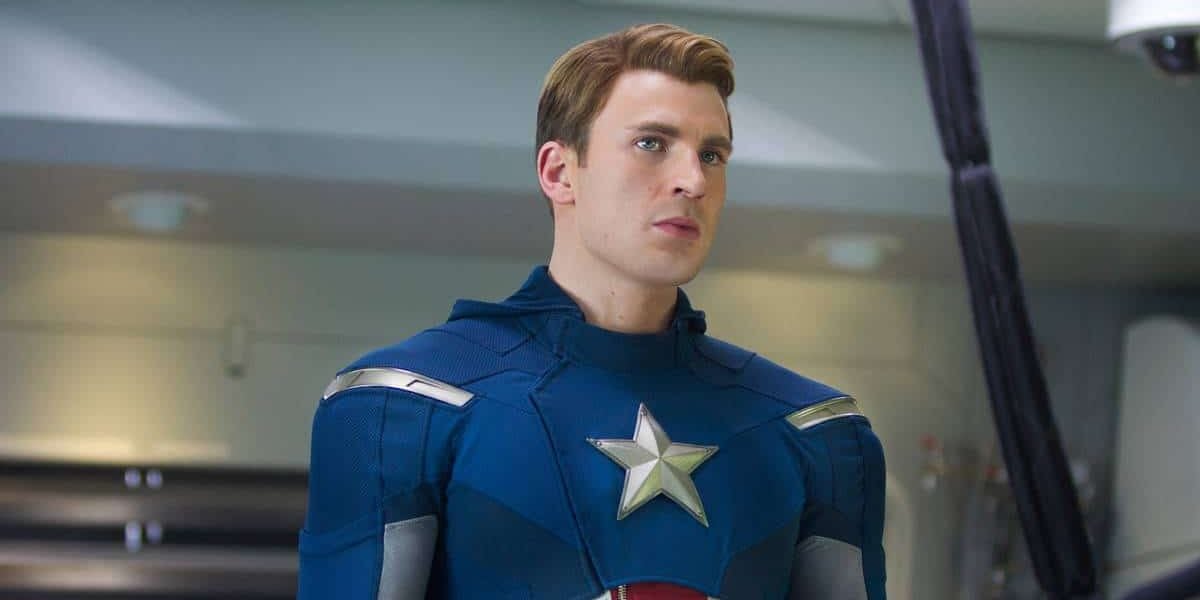
Captain America’s role in the Marvel Cinematic Universe has been rewritten—literally. Disney and Marvel Studios have reportedly scrapped early blueprints for Captain America, making drastic narrative changes as part of a larger MCU shake-up. What was once meant to be a straightforward continuation of Steve Rogers’ legacy has become something entirely different.
The changes highlight how fluid Marvel’s long-term strategy has become. Every decision, every rewrite, now feels aimed at aligning with a larger, more uncertain future for the franchise.

Passing the Torch
Steve Rogers’ (Chris Evans) journey through The First Avenger, The Winter Soldier, and Civil War defined the MCU’s moral core. When he handed his shield to Sam Wilson, it wasn’t just a passing of responsibility—it was a passing of ideals.
Anthony Mackie’s Sam Wilson has carried that responsibility with depth and realism, illustrating the complexity of the “Captain America” concept in a divided world. The Falcon and the Winter Soldier explored those questions beautifully, setting up Brave New World to continue his growth. But now, that film has taken on a new identity, reshaped by Marvel’s evolving plans.

The Incredible Hulk Connection
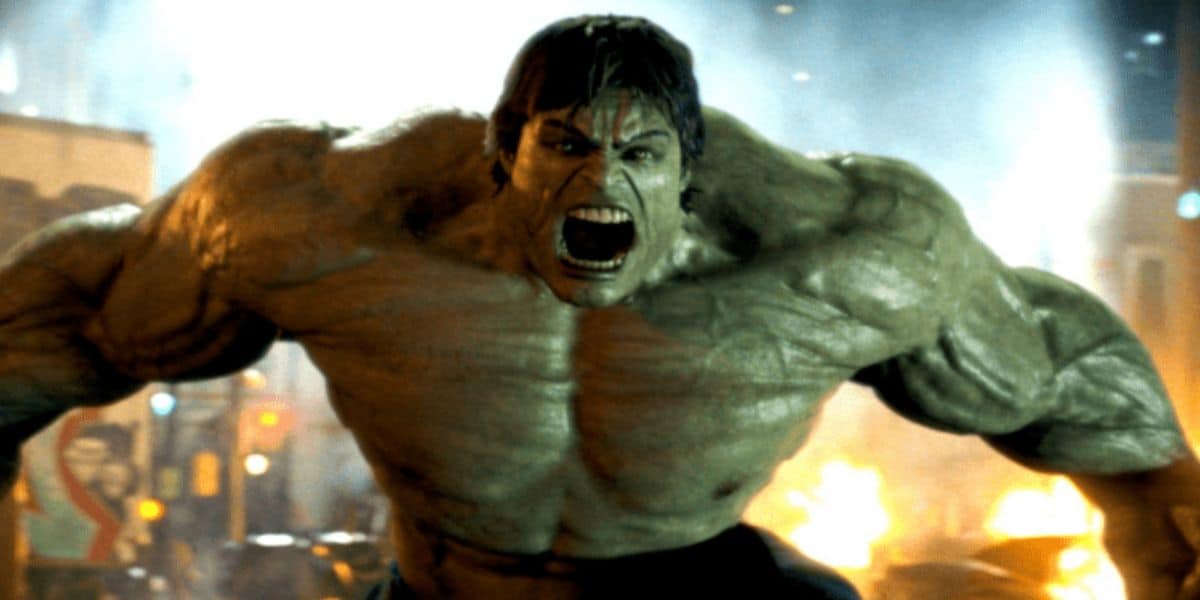
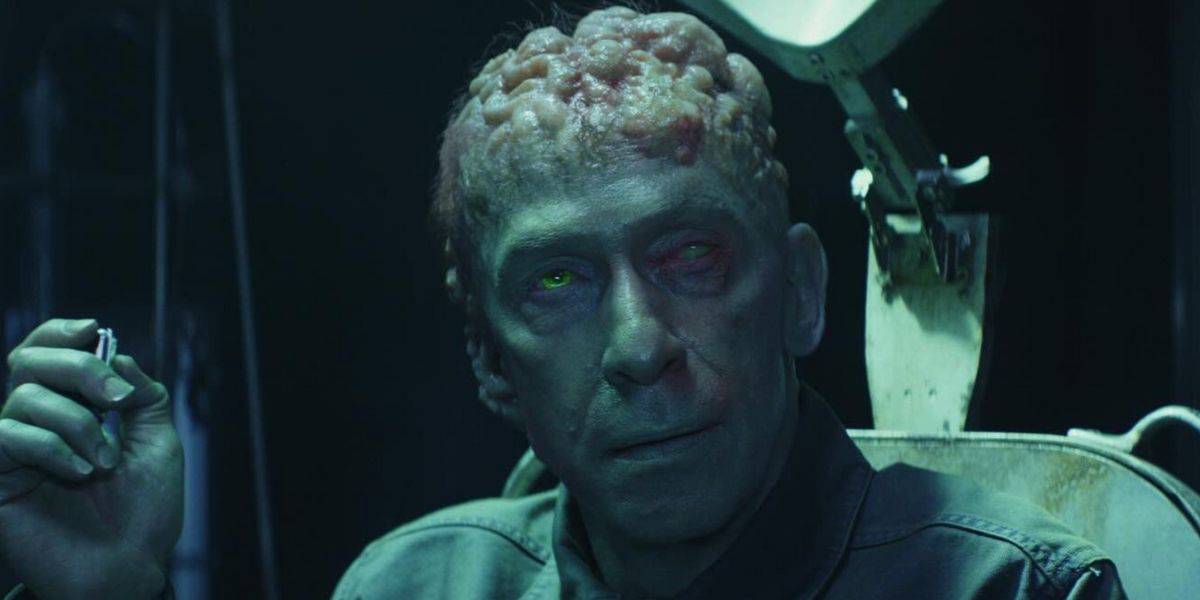
Originally, Brave New World planned to dig deep into Marvel’s roots by tying back to The Incredible Hulk. Tim Blake Nelson’s Samuel Sterns was set to return as The Leader, connecting a long-forgotten storyline to the modern MCU. His experiments with gamma energy were expected to play a significant role, especially as Thaddeus Ross became the Red Hulk (Harrison Ford).
But extensive reshoots changed everything. The Hulk-heavy elements were dialed back, and the story pivoted toward the Multiverse narrative now defining the MCU’s next era. What could’ve been a grounded, political thriller morphed into a more cosmic bridge to Avengers: Doomsday.
A Villain Saved for Later
One of the most surprising rewrites involved Stern’s fate. Early concept art showed him dying after his Red Hulk scheme backfired, but that ending was scrapped. In the final version, Sterns survives, ending up imprisoned at the Raft with other villains.
This wasn’t just a creative shift—it was a calculated choice. Marvel clearly wants to keep The Leader around for what’s coming next. His post-credit warning to Sam Wilson about Multiverse dangers shows that he knows more than most heroes—and that his intellect might soon make him indispensable.
What It Means for the MCU
Saving Sterns changes everything. Marvel set up a complex antihero who could return in Avengers: Doomsday or Secret Wars. His awareness of Multiversal threats makes him one of the few who truly understand the stakes.
For Sam Wilson, this shift expands his role beyond simple heroism. He isn’t just fighting villains anymore. He’s stepping into a leadership role that could shape the Avengers’ future.
Disney’s overhaul of Captain America’s story erased the version fans once expected. But it opened countless new possibilities. The shield still stands for hope—only now, it also represents survival in a Marvel universe evolving faster than ever.