

Closure of DINOSAUR Ride in Disney World
The DINOSAUR ride at Disney World’s Animal Kingdom is set to close its doors on February 1, 2026. This marks a significant moment for fans of the park, as it indicates the end of an era that has celebrated the prehistoric creatures for over 40 years. The closure coincides with the introduction of a new Indiana Jones-themed ride, aiming to refresh the park's offerings and attract new visitors.

Disney's decision to discontinue the DINOSAUR ride is part of a broader trend toward modernization and thematic transformation within its parks. The choice to replace this iconic attraction has elicited mixed emotions among long-time patrons, many of whom have cherished memories associated with dinosaur encounters in Disney World.
Historical Significance of Dinosaurs at Disney
Dinosaurs have been a notable component of Disney's narrative fabric since the early days of the company's amusement ventures. Their history at Disney World can be traced back to the 1964 World's Fair, where the Ford Magic Skyway featured animatronic dinosaurs. Although this attraction did not become a permanent fixture in Disney parks, it laid the foundation for the dinosaur theme that would flourish in subsequent years.
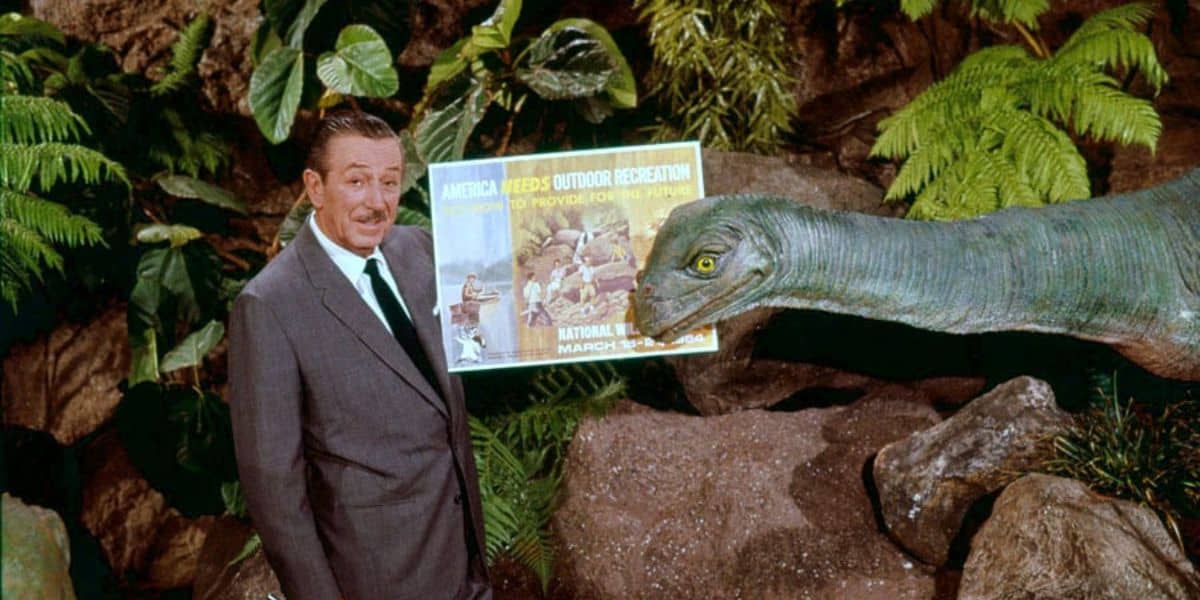
In 1982, the Universe of Energy opened at EPCOT, presenting visitors with a more immersive experience of the prehistoric world through its dinosaur displays. This attraction remained popular until its closure in 2017, marking a shift in Disney’s offerings. Nonetheless, it underscored Disney's fascination with dinosaurs, a theme the company has maintained for decades.
As one of the original attractions in Disney World’s Animal Kingdom, which opened in 1998, the DINOSAUR ride helped cement the storied relationship between the park and these ancient creatures. The transition from the Universe of Energy to DINOSAUR exemplified Disney's commitment to evolving its attractions while keeping dinosaurs at the forefront of its narrative.
Changes to DinoLand U.S.A.
DinoLand U.S.A. had long been a family-friendly hub for dinosaur enthusiasts since its inception alongside Animal Kingdom. Attractions like Primeval Whirl and the playground known as the Boneyard created engaging experiences for children and families, sparking curiosity about how dinosaurs once roamed the Earth.

Recent announcements regarding significant alterations to DinoLand U.S.A. have painted a clear picture of the future. The upcoming Tropical Americas Land, which will prominently feature themes from Disney's “Encanto,” reflects a broader shift in visitor tastes, prioritizing diverse and contemporary storytelling. As such, the dinosaur attractions are being phased out to make room for this new narrative direction, signifying a move away from the once-celebrated dinosaurs in the park.
Guest Nostalgia and Reactions
For many visitors, dinosaurs have served as a vivid reminder of childhood experiences at Disney World. The impending closure of DINOSAUR, along with the transformation of DinoLand U.S.A., has sparked nostalgia. Guests often recall vibrant encounters with life-like dinosaurs, where excitement and wonder intertwine with education about these majestic beasts.

Mixed sentiments surface among Disney aficionados; while some express enthusiasm for the potential of new experiences, others lament the loss of beloved dinosaur attractions. The uncertainty surrounding how new narratives will be integrated into the park elicits curiosity but also concerns for preserving Disney’s iconic charm.
With the impending exit of dinosaurs from Disney World, there lies an opportunity for Disney to create innovative experiences that engage modern audiences. While many will miss the enchanting allure of dinosaurs, the future promises exciting adventures that could become the new signature experiences for the next generation of Disney enthusiasts.
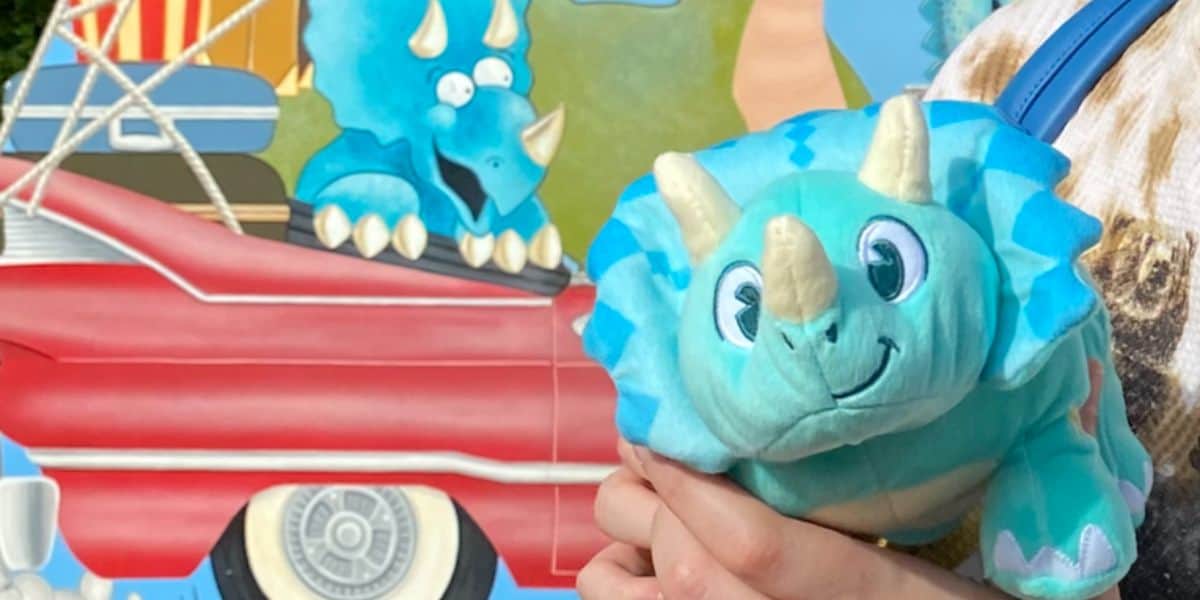
As the countdown to the closing of the DINOSAUR attraction begins, it is evident that Disney World is poised for a transformative shift, welcoming new themes and narratives while bidding a bittersweet farewell to its long-standing dinosaur legacy.





We can’t let that ride be replaced.