For over half a century, Disneyland has been the gold standard of themed entertainment, where the “magic” extended from the top of the Matterhorn down to the very last crumb of a gourmet burger. But in 2026, a new and disappointing trend is emerging behind the kitchen doors of the Happiest Place on Earth.

If you’ve visited the resort recently, you might have noticed that your wallet feels a lot lighter, while your meal feels a lot… generic. Following a massive wave of price hikes in late 2025, Disneyland is now under fire for a phenomenon fans are calling the “Great Menu Dumbing Down.” Guests are paying record-high prices, only to find that premium ingredients are being swapped out for cheaper, less tasty alternatives.
Here is why your next Disneyland food crawl might feel more like a trip to a local high school cafeteria than a world-class resort.
The “French Fry Apocalypse” and the Loss of Identity
The biggest shock to the system came in early 2026 with what social media has dubbed the “French Fry Apocalypse.” For years, Disneyland prided itself on culinary variety. You could get seasoned waffle fries at one spot, thick steak fries at another, and specialty “filmstrip” fries at Award Wieners. These unique sides were part of the “land” you were visiting.

However, recent updates from insiders, such as ThemeParkIQ, have confirmed that Disney has moved to a standardized potato model. Across nearly the entire resort, those unique, themed fries have been replaced by a single, thin, shoestring fry. By using a single generic product across all restaurants, Disney saves millions in supply chain costs—but the guest loses the flavor and texture that made those meals special. It’s the ultimate example of corporate efficiency over guest experience.
Shrinkflation: Smaller Portions, Cheaper Ingredients
While most people think of shrinkflation as getting fewer chips in a bag, at Disneyland, it’s also about quality erosion. According to reports from Inside the Magic, after prices were raised at nearly every dining establishment in August 2025, the actual “build” of the food began to change.

1. The Bread Breakdown
One of the first things to go was the artisan bread. Signature sandwiches that once featured brioche, ciabatta, or house-made rolls are increasingly being served on standard, store-brand white buns. These cheaper substitutes often fall apart under the weight of the ingredients and lack the buttery, toasted flavor that guests have come to expect for a $20 burger.
2. Protein Quality and “Mystery” Meat
Long-time fans have noted a significant shift in protein quality. Pre-frozen, uniform patties are replacing the juicy, hand-breaded chicken breasts at various quick-service spots. In some cases, the “premium” beef blends used in sit-down restaurants have been swapped for higher-fat content grinds that are cheaper to procure but leave guests feeling heavy and unsatisfied.
3. Sauce Simplification
In the culinary world, the sauce is often what defines a dish. Disneyland used to be famous for its house-made aiolis, specialty remoulades, and unique glazes. In 2026, many of these are being phased out in favor of bulk-purchased, generic condiments. By “dumbing down” the flavor profiles, Disney reduces the need for skilled kitchen labor and expensive ingredients, but the result is a “one-note” dining experience.
Why the Magic is Fading for Foodies
Why is this happening now? The answer is a cocktail of economic pressures. Between rising labor costs in California and the massive overhead of the upcoming 70th Anniversary celebrations, Disney is looking for “invisible” ways to cut costs. By substituting ingredients, they can keep the appearance of a full menu while significantly lowering their “cost per plate.”

Furthermore, the return of the Disney Dining Plan has put pressure on the parks to maintain high margins. To make the pre-paid plans profitable for the company, the food itself has to become cheaper to produce. Unfortunately, it’s the guests who are paying out of pocket who feel the sting of this “standardized” magic the most.
How to Avoid the “Cheap” Substitutes
If you’re planning a trip in 2026, you don't have to settle for cafeteria-grade food. Here is how to navigate the new landscape:
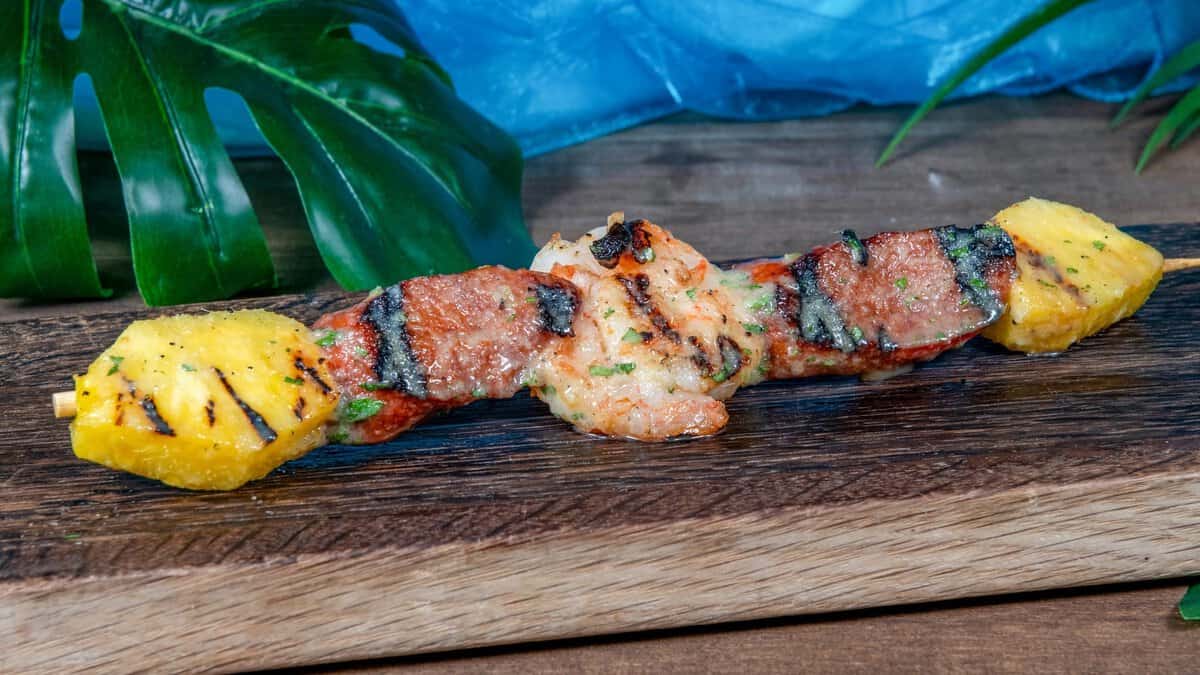
- Follow the “Signature” Rule: Avoid the generic burgers and chicken tenders. Instead, look for items that are the “stars” of the restaurant, like the Monte Cristo at Blue Bayou or Bengal Barbecue Skewers. These are harder for the company to “dumb down” without causing a massive public outcry.
- Check Recent Photos: Use apps like Instagram or Yelp to see actual photos of the food from the last 48 hours. If the bun looks different than the official promo photo, you know a substitution has occurred.
- Dine at Third-Party Locations: Downtown Disney offers many restaurants not owned by Disney. These spots often maintain higher ingredient standards because they have to compete with the rest of the Orange County food scene.
Conclusion: Value vs. Volume
Disneyland will always be a place of wonder, but the current trend of charging more for less-tasty food is a dangerous game. When the “premium” price no longer buys a “premium” product, the brand's reputation for excellence begins to fray. For now, guests should be wary: the fries might all look the same, but the bill is higher than ever.