
The modern blockbuster era has been defined by familiar names returning to theaters. Studios have revived dormant franchises, reunited legacy casts, and poured extraordinary sums into keeping major brands relevant. Yet recent revelations about the costs behind some of Hollywood's biggest hits suggest that approach may be reaching a turning point.

Few examples illustrate the highs and lows of franchise revival better than Star Wars. Disney's acquisition of Lucasfilm in 2012 immediately paved the way for a new trilogy that would continue the Skywalker Saga. Expectations were immense. Fans anticipated fresh stories, new heroes, and a continuation of one of cinema's most beloved universes.
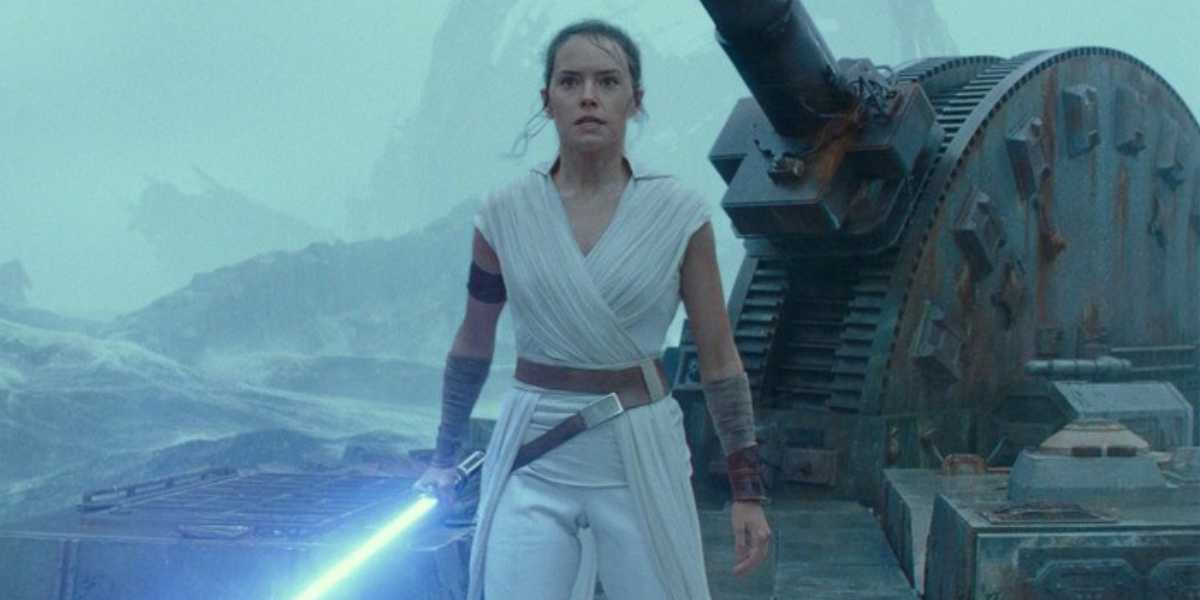
The trilogy began with The Force Awakens in 2015, which quickly became a box office phenomenon. The film introduced audiences to characters like Rey, Finn, and Kylo Ren while leaning heavily on the familiar framework established by George Lucas' original films.
The conversation surrounding the franchise shifted significantly with the release of The Last Jedi two years later. Director Rian Johnson took the story in unexpected directions, creating one of the most fiercely debated entries in Star Wars history. While some praised its willingness to challenge convention, others felt it departed too sharply from what they expected the franchise to be.
When The Rise of Skywalker arrived in 2019, Lucasfilm faced the difficult task of concluding the trilogy while addressing years of fan debate. J. J. Abrams returned to direct, but the final chapter struggled to unite audiences. The trilogy remained commercially successful, yet the discussion surrounding it often centered on missed opportunities and competing creative visions.

Those issues were not unique to Star Wars. Universal's Jurassic World franchise experienced a comparable journey. Launched in 2015 as a continuation of the Jurassic Park saga, the series generated enormous excitement and delivered blockbuster grosses around the world.
As the trilogy expanded, Universal increasingly leaned on nostalgia, eventually bringing back stars from the original Jurassic Park films. Audiences continued showing up, but the critical reception became less enthusiastic. By the time Jurassic World Dominion premiered in 2022, many critics viewed it as an example of a franchise struggling under the weight of its own ambitions.
Now, Dominion has earned another distinction—one tied not to dinosaurs, but to dollars.
According to a new report from Fortune, Jurassic World Dominion has become the most expensive film ever made. The production reportedly cost $658.8 million, pushing it ahead of Star Wars: The Force Awakens and its reported $638.9 million budget.

The figure places Dominion above every other entry in the Jurassic World series. Jurassic World: Fallen Kingdom reached $606.3 million, while the more recent Jurassic World: Rebirth came in at a comparatively modest $254.2 million.
The circumstances surrounding Dominion‘s production help explain the staggering total. The movie was filmed during the COVID-19 pandemic, requiring extensive health measures, repeated delays, and long-term accommodations for cast members. Reports indicate performers remained quarantined at a luxury hotel in England, where rooms cost more than $600 per night.
Even with those expenses, Universal benefited from filming in the United Kingdom. Through the country's Audio-Visual Expenditure Credit program, the studio reportedly received $127.8 million in reimbursements, lowering its net expenditure to roughly $531 million.
The economics behind the film reveal a striking reality about modern franchise filmmaking. Although Dominion earned close to $1 billion globally, its theatrical performance reportedly resulted in only a slim loss once production costs were factored in. Universal remained profitable across the trilogy overall, but the margin was far narrower than many might assume for a franchise of its scale.

That reality appears to be influencing future decisions at both Universal and Lucasfilm. Lucasfilm's recent theatrical release, The Mandalorian and Grogu, represents a sharp contrast to the spending associated with the sequel trilogy. Produced for approximately $165 million, the film reflects a more measured approach to blockbuster budgeting.
The project also carries symbolic importance for Star Wars. Din Djarin and Grogu became fan favorites through Disney+, helping reestablish enthusiasm for the franchise during a period of uncertainty. Their move to theaters places some of Lucasfilm's most successful recent characters at the forefront of the brand's next chapter.
Beyond that film, Star Wars: Starfighter is scheduled for 2027 and is expected to introduce audiences to new characters and stories. Rather than revisiting the past, the project suggests Lucasfilm is focusing on expanding the universe in new directions.
Universal has adopted a similar strategy. Jurassic World: Rebirth reduced costs dramatically and shifted attention away from franchise veterans Chris Pratt and Bryce Dallas Howard. The film's performance indicated that dinosaurs remain a compelling draw, even without familiar leads.
With another installment already in development, Universal appears committed to building on that foundation. Given the studio's history with UK-based productions and government incentives, Britain may once again play a major role in the franchise's future.
For Hollywood, the broader lesson may be difficult but necessary. Massive budgets and recognizable brands can generate attention, but they cannot guarantee lasting success. Whether the franchise involves Jedi or genetically engineered dinosaurs, audiences ultimately respond to stories, characters, and creative direction. The biggest challenge facing studios may not be spending more money—it may be figuring out how to spend less while delivering something worth returning for.
What is your favorite movie franchise? Let us know in the comments down below!