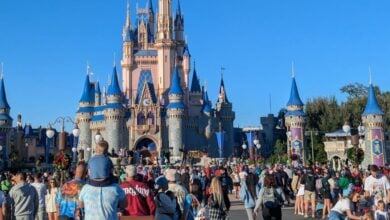

Magic Kingdom's Happily Ever After fireworks spectacular represents the culmination of countless guests' park days, offering a visually stunning and emotionally resonant conclusion to their Disney World experience.
The show combines traditional pyrotechnics with projection mapping technology on Cinderella Castle, creating moments that frequently move audiences to tears and generate the kinds of memories that define family vacations. However, an increasingly common pattern has emerged in recent guest reports suggesting that the magical conclusion provided by Happily Ever After is immediately undermined by chaotic, time-consuming, and potentially unsafe conditions as thousands of guests simultaneously attempt to exit the park and board limited transportation options.
A recent discussion on Reddit has brought renewed attention to this operational challenge, with a first-time visitor in five years describing a nearly two-hour wait for monorail transportation accompanied by physical crowding severe enough to include trampling, shoving, and aggressive physical contact. The visitor's experience prompted questions about whether such conditions represent normal operations or an unusually problematic evening, with responses from other guests revealing that extended wait times and uncomfortable crowding have become increasingly common aspects of the Magic Kingdom post-fireworks experience.
First-Timer's Shocking Transportation Experience

A Reddit user returned to Magic Kingdom after a five-year absence and encountered exit conditions that differed dramatically from their previous visits. Their detailed account describes their first day back at Disney World parks:
“Exiting MK – We are visiting the parks for the first time in 5 years. First day today and went to AK for half the day, MK for a few hours at the end. Watched Happily Ever After to end an incredible day at the parks and then sat in the line for the monorails for nearly 2 hours. I have truly never seen the closing of a park be THAT unorganized. My group was being trampled, shoved, elbows being smashed into my back. I guess my question is has it truly just become that bad, or is that an out of the ordinary thing?”
Several elements of this account warrant examination. The nearly two-hour wait specifically for monorail transportation represents a substantial time commitment that extends the effective park day significantly without providing any additional entertainment or attraction experiences. For guests who may have already spent twelve or more hours walking through parks and waiting in attraction queues, adding two additional hours of standing in crowded transportation lines creates fatigue that can affect the overall vacation experience.
The descriptions of physical contact during this wait period raise more serious concerns. References to trampling, shoving, and aggressive elbow contact suggest crowding conditions that exceed typical theme park density and potentially create unsafe environments, particularly for vulnerable guests including children, elderly visitors, or individuals with mobility limitations. Such physical interactions indicate either inadequate crowd control measures or insufficient capacity to handle post-fireworks guest volumes through existing exit procedures.
The poster's specific question about whether conditions have deteriorated or whether they experienced an anomaly reveals their surprise at encountering operational standards that contrasted sharply with their memories from five years prior. Their characterization of the situation as “THAT unorganized” (emphasis original) suggests they perceived fundamental failures in Disney's crowd management systems rather than simply experiencing unfortunate but well-managed crowding.
Community Responses Reveal Widespread Pattern

Reddit responses to the original post provided valuable context from other Magic Kingdom visitors, revealing that the described experience, while perhaps particularly severe, represents part of a broader pattern of deteriorating post-fireworks exit conditions. These responses came from guests with varying levels of Disney World experience, offering multiple perspectives on the problem.
One commenter offered tactical advice: “Pro tip: the ferries move many more people per hour than the monorails.” This suggestion implies that transportation choice significantly affects wait times, with ferry boats potentially offering superior throughput compared to monorail trains. However, other responses suggest even ferry transportation involves substantial waits during peak post-fireworks periods.
Another visitor attempted to contextualize the experience while acknowledging ongoing problems: “This sounds a little out of the ordinary, but the crowds post-fireworks have definitely gotten worse and also a little more jostling lately. Sorry you had to experience the worst of it 🙁 I always linger in the park for an hour after fireworks and, if there's still a monorail line, take the ferry or one of the launch boats. Always have a pretty carefree experience – I just can't deal with the crowds ruining such a magical evening.”
This response acknowledges both that the original poster may have encountered particularly bad conditions while confirming that overall trends have moved toward increased crowding and more aggressive physical contact. The commenter's strategy of remaining in Magic Kingdom for a full hour after Happily Ever After concludes specifically to avoid transportation crowds demonstrates how significantly this issue affects guest behavior and trip planning. The characterization of crowds as “ruining such a magical evening” indicates that operational problems are directly undermining the intended emotional impact of the nighttime spectacular.
A particularly concerning account described actual injuries and family separation during post-fireworks exits: “100%. I have left after fireworks and it's chaos. My elderly MIL was knocked over, my wife and her mother got separated from me and the kids. Just anxiety and a long slow burn to get out, plus long waits. It is so much more enjoyable to stay in the park, ride a few rides, and enjoy the quiet evening stroll in the park. Sure, it makes for a longer day and the kiddos are usually bushed, but it far exceeds the alternative. We just plan that if we're doing fireworks, we're not getting back to the resort until two hours after fireworks. If that's close to midnight, we have to be good with that or we don't do fireworks.”
An elderly family member being knocked over during exit procedures represents exactly the type of safety incident that Disney's operational standards should prevent. Family groups becoming separated in dense crowds similarly indicates inadequate crowd management given that maintaining group cohesion is particularly important for families with young children. This commenter's adaptation strategy involves either accepting two-hour post-fireworks delays or foregoing the show entirely, suggesting the problem has become severe enough to fundamentally alter vacation planning decisions.
Another response recommended waiting for initial crowds to disperse: “Frankly, the best approach to me is to let the crowd empty out for a half hour or so, then head to the ferry.” This waiting strategy appears consistently throughout the discussion, indicating experienced guests have collectively developed similar coping mechanisms that involve delaying their departures specifically to avoid the worst crowding.
One commenter suggested the problem has existed historically: “I feel like it's always been a madhouse if you try to leave after fireworks. I usually don't go near main street towards fireworks time.” However, other responses indicate conditions have worsened substantially in recent years rather than remaining static.
A detailed analysis traced potential causes: “It's been a giant clusterfudge as long as I can remember, but it definitely got worse after they integrated the projection show into the fireworks show (which pushed everyone into the arrears where you can see the front of the castle). I went awhile where I just refused to watch the fireworks from anywhere between the castle and the exit (the overlook space at the exit of Big Thunder Mountain, the balcony at Enchanted Rose in Grand Floridian, one of the resort beaches, or the DVC lounge at Bay Lake Tower were my spots). This is how I actually never saw the Happily Ever After projections during the original run, even though I was going to WDW at least 2-3 times a year the whole time.”
This analysis suggests that adding projection mapping to Happily Ever After concentrated viewing crowds in specific castle-facing locations where projections remain visible, creating more severe bottlenecks than existed when guests could watch traditional fireworks from dispersed viewing areas throughout the park. The commenter's decision to specifically avoid prime viewing locations for years despite frequent park visits demonstrates how operational problems can drive guest behavior modifications that sacrifice intended experiences.
The commenter also proposed infrastructure improvements: “I think it would be very efficient if they were to create another exit from Tomorrowland that directed people out to the busses and Contemporary/BLT. It might take a few weeks, but word would get out quickly and a LOT of people would use it. It wouldn't even take a lot of staffing for an exit-only situation.” This suggestion indicates that current exit infrastructure may be fundamentally inadequate for handling post-fireworks guest volumes.
A final response indicated severe enough problems to alter fundamental park visitation patterns: “We will not stay at MK until closing anymore because of this. I've seen other posts here over the last few weeks talking about how unsafe it is leaving MK at night and I've experienced it myself. Even if you don't have people pushing and shoving the whole time it's still a 1-2 hour wait for the monorail or boat it's just a terrible experience.”
When guests specifically avoid remaining at Magic Kingdom through closing time due to safety concerns and poor exit experiences, Disney faces a significant operational problem that directly affects guest satisfaction, park capacity utilization, and potentially revenue from evening dining and shopping opportunities.
Operational and Safety Implications
The consistent reports of extended wait times, uncomfortable crowding, and unsafe physical conditions during post-fireworks exits raise several concerns about Magic Kingdom's operational procedures and capacity management.
Safety considerations represent the most immediate concern. Theme park operators maintain fundamental responsibilities for guest safety that extend through all phases of the park experience including exit procedures. When elderly guests sustain injuries from falls during crowded exits, when families become separated in dense crowds, when guests describe being trampled or experiencing aggressive physical contact, these incidents indicate operational failures requiring attention regardless of whether they occur during attraction experiences or exit procedures.
Capacity management questions emerge from these reports. Magic Kingdom accommodates tens of thousands of guests daily, with significant portions of that population remaining through Happily Ever After. The transportation infrastructure serving Magic Kingdom includes monorail trains, ferry boats, and buses, each with specific capacity limitations and operational constraints. If current transportation capacity proves insufficient to handle post-fireworks guest volumes without creating two-hour waits and unsafe crowding conditions, Disney faces questions about whether operational adjustments, infrastructure improvements, or crowd distribution strategies could address the problem.
Guest experience implications affect how visitors remember and evaluate their Magic Kingdom visits. Ending magical park days with stressful, uncomfortable, potentially unsafe transportation experiences creates negative final impressions that can overshadow positive experiences earlier in the day. When guests must choose between watching signature shows and avoiding terrible exit experiences, operational problems are directly interfering with guests' ability to enjoy advertised park offerings.
Guest Adaptation Strategies
The Reddit discussion reveals various strategies guests have developed to avoid or minimize post-fireworks exit problems, though all involve significant compromises or alterations to intended park experiences.
Some guests depart before Happily Ever After concludes or skip the show entirely, sacrificing Magic Kingdom's signature nighttime spectacular to avoid exit complications. Others watch from alternative locations including resort hotel balconies, beaches, or other off-property viewing areas, foregoing prime castle-facing views to avoid park exit procedures. Many experienced visitors plan to remain in Magic Kingdom for substantial periods after fireworks conclude, accepting very late nights while hoping delayed departures will allow them to avoid peak transportation demand. Some families have modified their overall park strategies to avoid staying at Magic Kingdom through closing time, limiting their park hours specifically because of exit concerns.
These adaptation strategies demonstrate how operational problems drive guest behavior modifications, though they shouldn't be necessary if exit procedures functioned effectively. When substantial numbers of guests fundamentally alter their park plans specifically to work around operational problems, those problems warrant systematic attention rather than acceptance as unavoidable inconveniences.
Addressing the Challenge
Resolving Magic Kingdom's post-fireworks exit challenges likely requires multi-faceted approaches addressing both immediate crowding issues and longer-term capacity questions. Potential short-term interventions might include enhanced crowd management procedures, clearer communication about transportation options and relative wait times, or operational adjustments that better distribute guests among available transportation methods.
Longer-term solutions could involve infrastructure improvements expanding transportation capacity, creating additional exit pathways that reduce bottlenecks, or implementing crowd distribution strategies that encourage guests to disperse more evenly throughout available transportation options. Some solutions might involve encouraging guests to remain in Magic Kingdom longer through enhanced evening offerings that reduce the concentration of departures immediately following Happily Ever After.
Whatever approaches Disney pursues, addressing this problem appears increasingly necessary given consistent guest reports of unsafe conditions and poor experiences that directly undermine the magical conclusions intended through nighttime spectaculars.
Share your Magic Kingdom post-fireworks exit experiences in the comments. What strategies have worked for you in avoiding extended wait times and uncomfortable crowding?