Disney's Decision-Making Dynamics
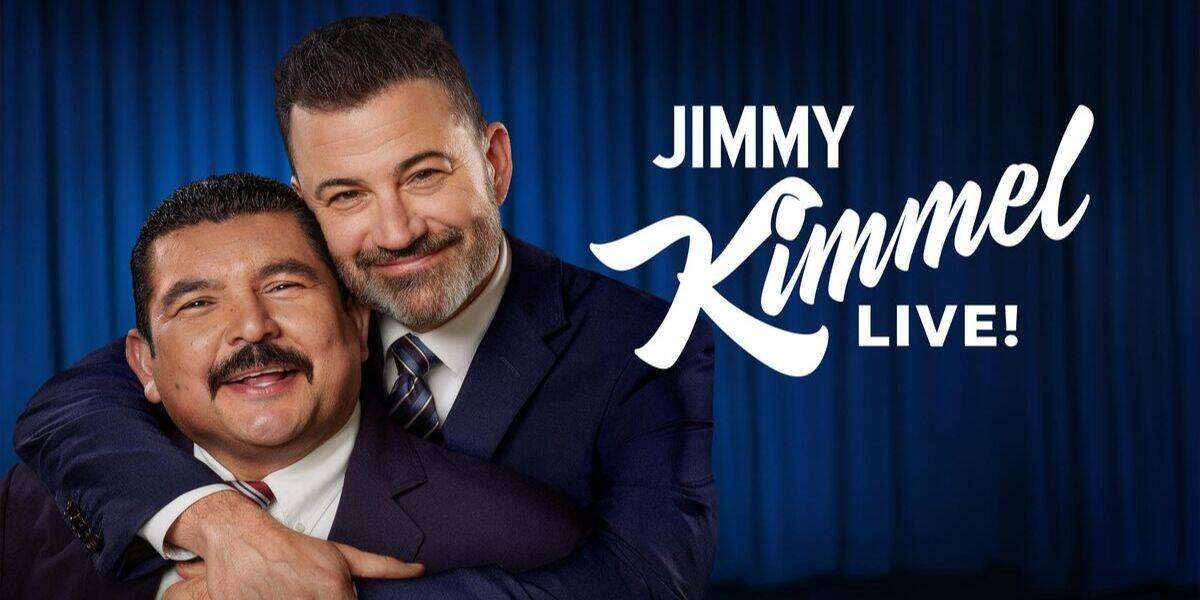
Recently, The Walt Disney Company acknowledged that its decision to suspend late-night host Jimmy Kimmel briefly stemmed from pressures exerted by right-leaning affiliate owners. In a filing to the Federal Communications Commission (FCC), Disney outlined the complexities surrounding its affiliations with local broadcasters, emphasizing the influence these affiliates maintain over programming decisions.
Sources indicate that affiliates, particularly those owned by Nexstar and Sinclair Broadcasting, significantly impacted the decision to suspend Kimmel, citing his controversial remarks regarding Charlie Kirk.
Disney's internal deliberations revealed a divide among its executives. Many believed Kimmel's suspension was unwarranted and felt that the remarks in question did not justify such a drastic response. However, the looming threat from local affiliates to preempt “Jimmy Kimmel Live!” placed the network in a precarious situation. Fearing backlash and disruption to their broadcast schedules, Disney executives ultimately decided to suspend Kimmel, illustrating the tension between creative autonomy and operational realities.
The FCC is currently investigating the dynamics between major broadcasting networks, such as Disney, and their affiliates. This scrutiny aims to determine the extent of influence affiliate owners have over broadcasts and whether this overreach affects local communities and viewer choice. Disney’s filing indicates an effort to assure the FCC that the existing mechanisms governing affiliate relationships function appropriately, thereby avoiding further regulatory intervention.
The Incident of Kimmel's Suspension
The incident prompting Kimmel's suspension occurred when he made comments interpreted as unfavorable about Charlie Kirk. The fallout after these remarks was swift, with FCC Chairman Brendan Carr publicly suggesting broadcasters reconsider airing Kimmel’s show. His comments sparked a chain reaction, prompting affiliates to reassess their relationship with the late-night show.
Following Carr’s remarks, Nexstar, the largest station owner in the U.S., indicated its intention to withdraw Kimmel's show from its circuit. This preemptive action reflected a growing trend among affiliates to exert control over content, responding to perceived threats to their operational integrity. Other affiliates quickly aligned with Nexstar’s stance, placing additional pressure on Disney to act.
In an effort to maintain relations with right-leaning affiliate owners and avoid losing significant airtime, Disney made the contentious decision to suspend Kimmel. This decision was seen as a capitulation to affiliate interests over the network's commitment to its creators. The situation underlined the precarious balance Disney must maintain between appeasing affiliates and supporting its programming.
Public Reaction and Aftermath
Public reaction to Kimmel's suspension was overwhelmingly mixed. While some audience members and media critics expressed outrage over the silencing of a popular late-night host due to external pressures, others supported the decision based on Kimmel's remarks. The incident sparked wider discussions about censorship and the pressures that major networks face from affiliate owners.

Kimmel's suspension lasted less than a week. Faced with escalating protests and viewer dissatisfaction, Disney opted to reinstate him, albeit initially with some limitations on Nexstar and Sinclair stations. Ultimately, both affiliates reinstated Kimmel's show in their lineups, but only after substantial public pushback and an internal reassessment at Disney.
The entire episode surrounding Kimmel's suspension raises significant questions about broadcasting standards and the influence of affiliate owners. The mixed reactions indicate that audiences are increasingly aware of the dynamics between media creators and distributors, with potential implications for future programming decisions.
Future Broadcasting Landscape
As the FCC continues its investigation into the relationships between broadcasters and their affiliates, Disney faces potential implications for its operations and content strategy. The current scrutiny examines whether these relationships compromise content fairness and viewer choice, particularly in the context of evolving media landscapes.
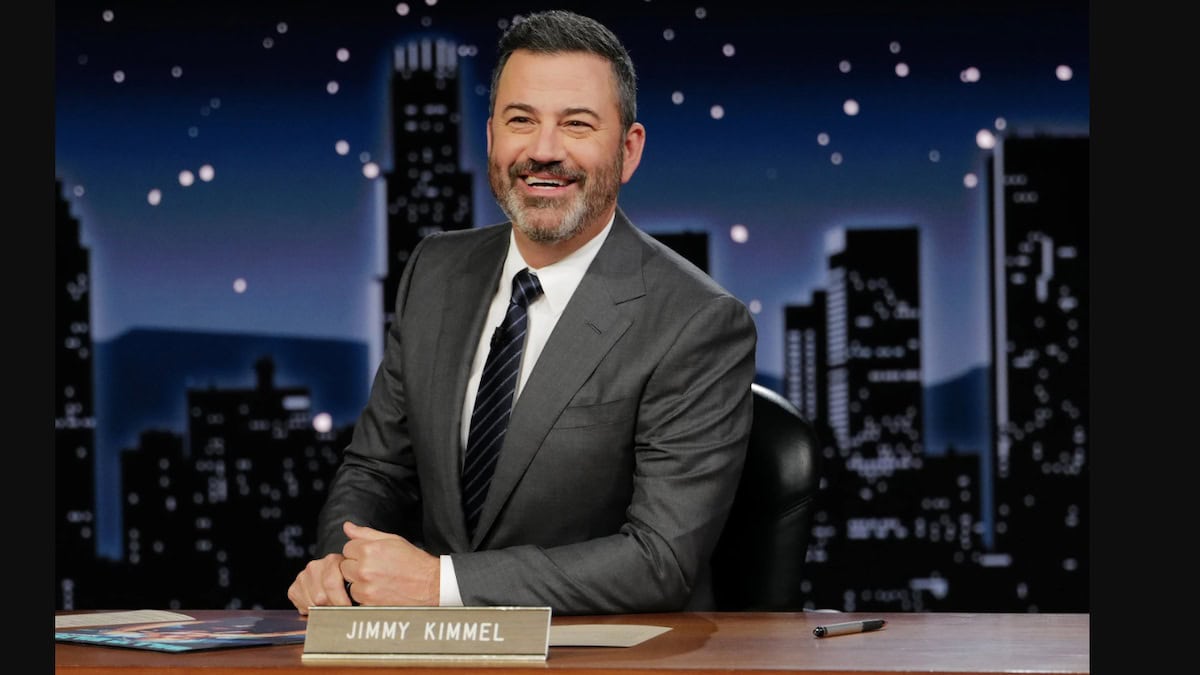
The findings of the FCC's inquiry may prompt changes in how broadcasting networks, such as Disney, engage with their affiliates. If the investigation yields regulatory recommendations, it could redefine the power dynamics at play, encouraging networks to reevaluate their affiliations and reliance on traditional broadcast models.
In light of the evolving scenario, Disney may need to contemplate strategic changes to its programming approach, possibly focusing on direct partnerships and alternative distribution models that reduce dependence on traditional affiliates. The Kimmel incident serves as a cautionary tale for other networks navigating affiliate pressure, highlighting the intricate web of relationships that shape modern broadcasting. As the industry evolves, the balance between creative expression and affiliate influence may increasingly define the future of broadcasting.