Disney's Strategic Shift in Late-Night Programming
Disney's recent decision to suspend Jimmy Kimmel Live! is significant in the late-night television landscape. The suspension follows Kimmel's controversial remarks, which Disney executives deemed inappropriate. The host's comments, particularly regarding political figures, sparked backlash that prompted Disney to act swiftly in addressing public sentiment. Consequently, Kimmel will be off-air indefinitely, which signals Disney’s willingness to prioritize its perceived corporate responsibility over programming consistency.
The pressures leading to Kimmel's suspension originated from public backlash and political ramifications. Recent statements from Federal Communications Commission Chairman Brendan Carr suggested broadcasters should cease airing Kimmel's show, linking its content to broader public decency and accountability issues. Carr's comments, many interpreted as veiled threats, created immediate concerns within Disney regarding potential fallout. While the executives gathered to discuss these matters and expressed disbelief in Kimmel's remarks, the growing call for action made it increasingly difficult for Disney to maintain their programming without a response.
This decision potentially impacts Disney’s brand image significantly. Shelving Kimmel's show serves as a strong signal to partners and audiences alike, illustrating Disney's sensitivity to controversies surrounding its content. By removing Kimmel, Disney aims to ensure its relationships with key broadcasting partners remain intact, particularly as it faces scrutiny from regulators and its audience. The implications extend beyond late-night television; they involve strategic positioning in a competitive media landscape where public opinion is increasingly crucial to brand integrity.
The Political Landscape and Media Decisions
The FCC's influence underscores the complexities of media decision-making today. With the agency's increasing intervention in content regulation, Disney finds itself navigating a finely balanced line between creative expression and regulatory compliance. The chairman's directive to stop airing Kimmel's show has created a climate of heightened sensitivity, forcing network executives to reconsider the long-term viability of airing politically charged content.

Disney's history of aligning with political pressures has contributed to its decision-making processes. This trend reflects a broader need to maintain favorable relationships with regulatory bodies. By responding to the pressures surrounding Kimmel’s comments, Disney demonstrates an adaptive strategy to safeguard its interests amid evolving political landscapes, especially those impacting media companies.
Kimmel's comments not only had immediate repercussions for the host but highlighted the fragility of free expression within entertainment. Disney's rapid response displays how media entities may prioritize corporate and regulatory alignment over individual creativity, raising questions about accountability versus censorship in the industry.
Financial Implications of Content Changes
Kimmel’s removal is intricately tied to broader corporate maneuvers in the media sector, notably the ongoing merger between Nexstar and Tegna. The FCC is intensely scrutinizing this multi-billion-dollar deal, which seeks to create the largest station owner in the United States. Therefore, Nexstar's motivations to withdraw Kimmel's show are not merely reactionary; they reflect a strategic decision to align with regulatory expectations necessary for deal approval.
As Nexstar seeks to navigate the regulatory landscape, its interests align with Disney's. Disney faces ongoing challenges regarding its NFL deal, necessitating a robust public relations strategy to mitigate any concerns from regulatory agencies. Thus, Disney's compliance with pressures surrounding Kimmel underscores a broader strategy to ensure both companies present a united front for FCC approval.
Disney's dealings with various stakeholders affect its future business relationships. By addressing the concerns of affiliates such as Nexstar and Sinclair Broadcasting, Disney aims to foster goodwill and secure its partnerships. However, this move highlights the precarious nature of entertainment programming in a politically charged environment.
Evolution of Late-Night Television Dynamics
Kimmel’s future remains uncertain, with speculation on whether his hiatus will lead to a permanent exit or simply a temporary pause. The industry watches closely to gauge the lasting effects of this moment, particularly as it relates to Kimmel's brand and career as a late-night host. If it comes, his eventual return may redefine how late-night formats address controversial topics.
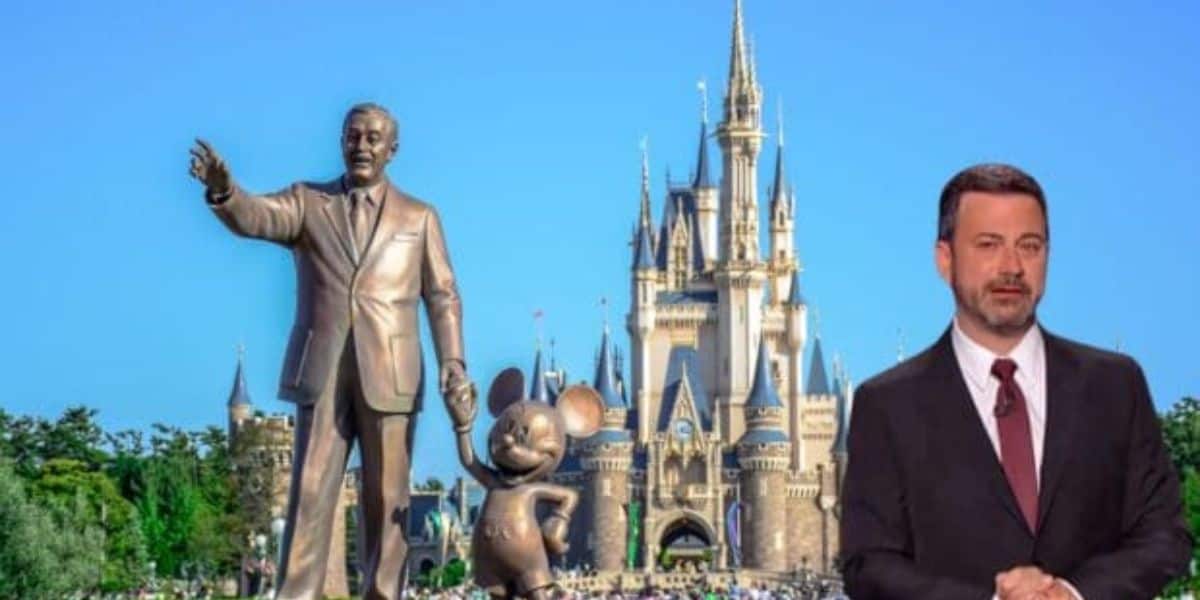
The suspension also provokes discussions about cultural accountability among media programmers. Moving forward, late-night hosts may reconsider their approach to political commentary, adapting their content to align with perceived expectations of audience sensitivities. This newfound caution could influence the creative landscape of late-night television, impacting how humor and commentary are presented.
The decision to remove Jimmy Kimmel creates a challenging atmosphere regarding free speech and creativity within the media landscape. As historical precedents suggest, the boundaries of entertainment may continue to shift under the weight of political influences. Kimmel’s suspension serves as a reminder of the intricate balance media companies must maintain between artistic expression and corporate accountability, highlighting the consequences of public and political pressures in shaping cultural discourse.