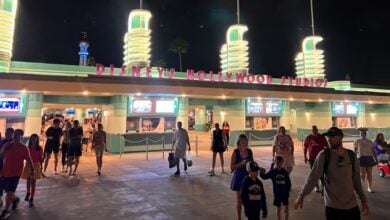
When Josh D’Amaro ascended to the position of Chief Executive Officer at The Walt Disney Company, Hollywood and Wall Street expected a soft landing. D’Amaro, universally liked and widely recognized for his successful tenure leading the company's theme parks, brought a professional reputation built on consumer-facing charm and immaculate brand management.
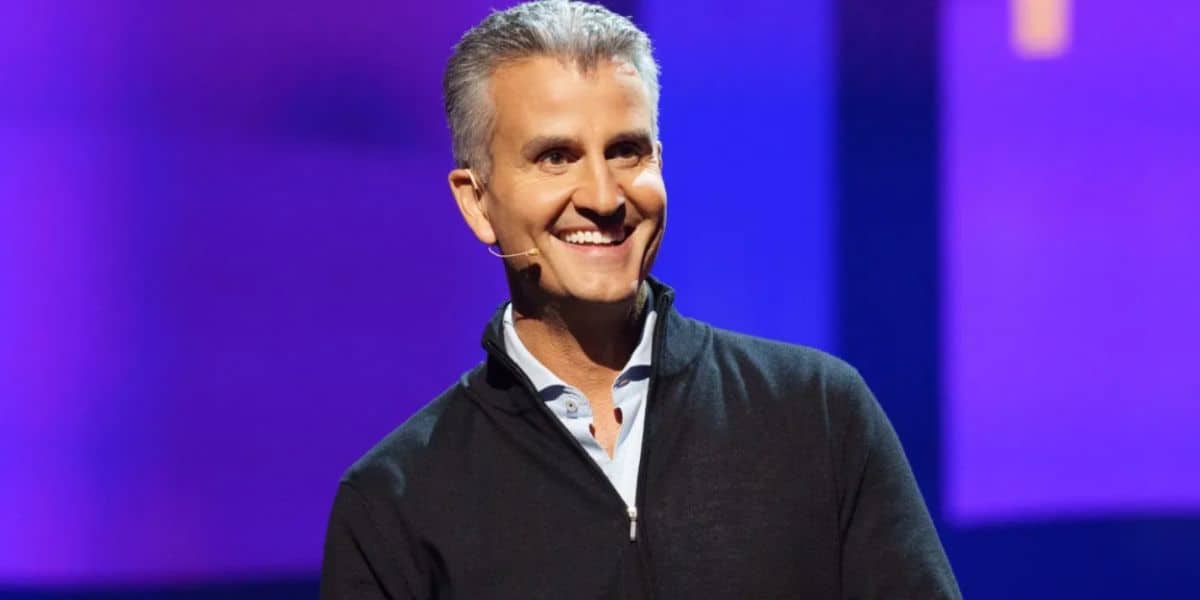
Many industry analysts assumed he would act as a peacetime executive, leaning heavily into brand nostalgia while navigating the complex realities of an entertainment giant. Instead, D’Amaro’s first 100 days have shattered that safe narrative, proving that behind the pristine public relations smile lies a battle-ready media mogul.
The Illusion of Inertia: Protecting Disney's Internal Engine
From an administrative standpoint, D'Amaro's opening act has been surprisingly quiet. Traditionally, a newly minted CEO signals their arrival by initiating sweeping executive restructurings, revising organizational charts, and abandoning their predecessors' core projects. D’Amaro has done none of this. He inherited a corporate infrastructure heavily reshaped by Bob Iger’s second tenure, and he quickly recognized that further institutional disruption would inflict severe whiplash on an already fatigued corporate culture.

Instead, D'Amaro prioritized execution over reinvention. He maintained Iger's executive framework, preserving complete creative sovereignty for Disney Entertainment co-chairs Alan Bergman and Dana Walden over the studio and streaming pipelines. His internal directives have focused strictly on driving consistent profitability across Disney+ and Hulu while stabilizing core subscriber metrics. In the Parks division—his former domain—the historic $60 billion capital expansion plan remains firmly in place, with major construction accelerating on schedule. This intentional status quo sent a strong wave of reassurance to Wall Street, proving the new CEO could stabilize a multi-faceted global media conglomerate without breaking the underlying machinery.
The Political Flashpoint: Trump’s FCC Takes Aim at ABC
However, while peace held inside the Burbank headquarters, an existential threat was rapidly intensifying on the political horizon. Following a highly polarized political landscape, the Trump administration converted its anti-media rhetoric into targeted regulatory hostility, placing Disney-owned ABC News squarely in its crosshairs.

The administration began leveraging a highly politicized Federal Communications Commission (FCC) to actively challenge and delay the renewal of over-the-air broadcasting licenses for ABC’s owned-and-operated local television stations. These local operations in powerhouse major metropolitan markets like New York, Los Angeles, and Chicago form the financial and structural bedrock of the entire broadcast network. A successful challenge to these credentials wouldn’t just result in standard administrative fines; it would structurally destabilize the reach, advertising power, and asset valuation of Disney’s linear media business.
Historically, corporate leaders caught in a severe regulatory crossfire adopt a passive playbook: behind-the-scenes diplomacy, public neutrality, or minor editorial concessions designed to pacify Washington and protect short-term stock performance. Given D'Amaro's non-partisan background in guest hospitality, many political analysts expected him to seek a quiet compromise.
Standing the Ground: A First Amendment Showdown
They miscalculated. In his first major external crisis as chief executive, D’Amaro discarded the passive playbook and chose to stand his ground. Recognizing that an attack on ABC’s broadcasting licenses threatened the fundamental institutional autonomy of Disney’s media portfolio, he launched an immediate, aggressive counter-offensive.
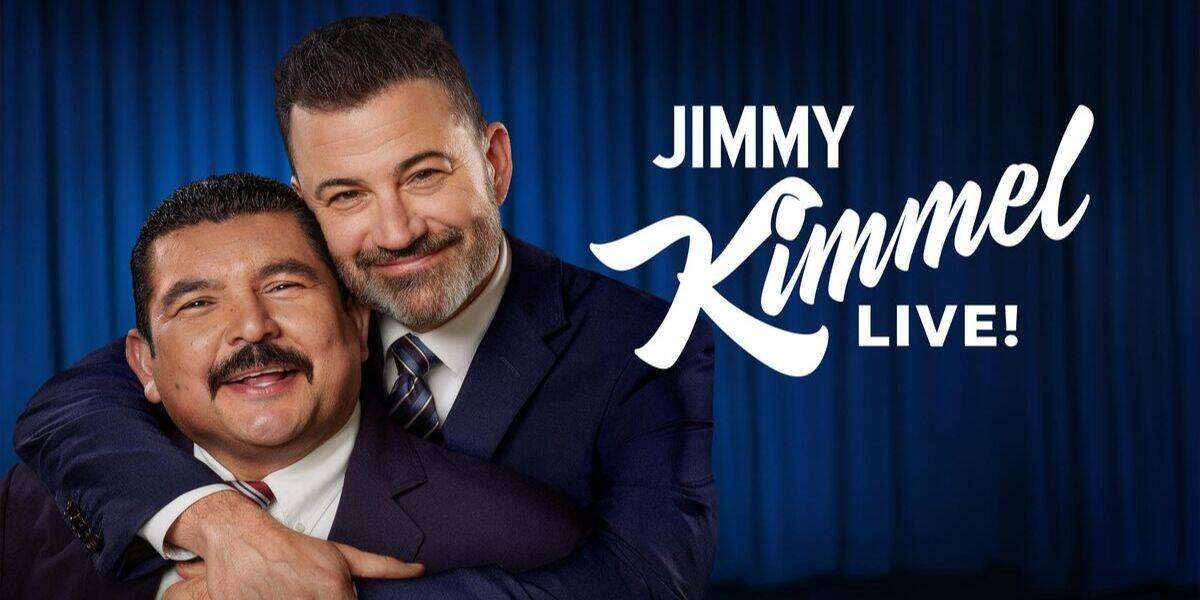
Behind closed doors, D’Amaro mobilized Disney's elite legal divisions, coordinating a massive defense strategy led by prominent First Amendment attorneys to block any formal FCC interference. Publicly, he altered his tone from a polite executive to a fierce defender of constitutional norms. In direct memos to staff and strategic press briefings, D’Amaro framed the dispute as a fundamental defense of the free press, asserting that Disney would not allow its journalism to be compromised or used as political leverage.
By refusing to blink under intense federal pressure, D’Amaro fundamentally upended the prevailing narrative surrounding his leadership capabilities. He proved to activist investors and political regulators alike that the House of Mouse would not be intimidated. Josh D’Amaro is no longer just the charismatic executive protecting the theme parks—he is a battle-tested CEO armed with an unyielding will to fight for the future and the independence of his corporate empire.