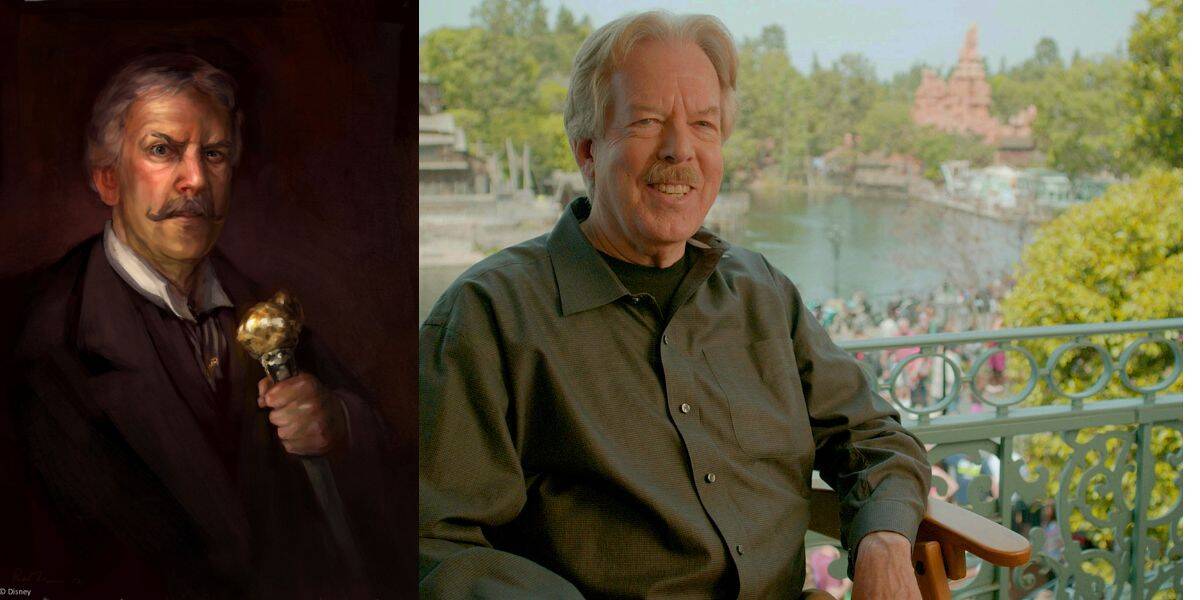
In the world of Disney Imagineering, few names carry as much weight as Tony Baxter. As the creative force behind the “Mountain Range”—Big Thunder Mountain Railroad, Star Tours, and the original Splash Mountain—Baxter is often viewed as the bridge between Walt’s original vision and the modern era. On April 4, 2026, that bridge became a platform for some of the most candid critiques the Disney community has heard in years.

Speaking at a Walt Disney Family Museum event in San Francisco to celebrate the 31st anniversary of the Indiana Jones Adventure, Baxter moved beyond simple nostalgia. Instead, he addressed the current “identity crisis” facing Disney Parks, revealing which fan-favorite ride he’d personally dismantle and why he believes the “soul” of Imagineering is in jeopardy.
The “Digital Crutch”: Why Physicality Matters
The primary theme of Baxter’s discussion was the importance of “place-making.” For Baxter, a theme park attraction isn't just a vehicle moving past visuals; it’s a physical, tactile world that a guest inhabits. He expressed concern that modern Imagineering has become increasingly reliant on “digital crutches”—specifically the heavy use of screens and projections found in 2026’s newest attractions.

While modern technology allows for incredible visuals, Baxter argued that it often lacks the “weight” and permanence of a physical set. He pointed to the Indiana Jones Adventure as the gold standard, where the “ozonic” atmosphere, crumbling stone, and massive physical sets create a sense of reality that a screen simply cannot replicate. In his view, the magic of a Disney park is found in the physical geometry of the space—the ability to touch and feel the world around you.
The Bombshell: Trashing Buzz Lightyear’s Space Ranger Spin
The most surprising moment of the event came when Baxter was asked which current attraction he would “trash” to make room for a new experience. While many expected him to target the long-suffering Journey Into Imagination (a ride he famously co-created), he instead set his sights on Tomorrowland’s Buzz Lightyear’s Space Ranger Spin.
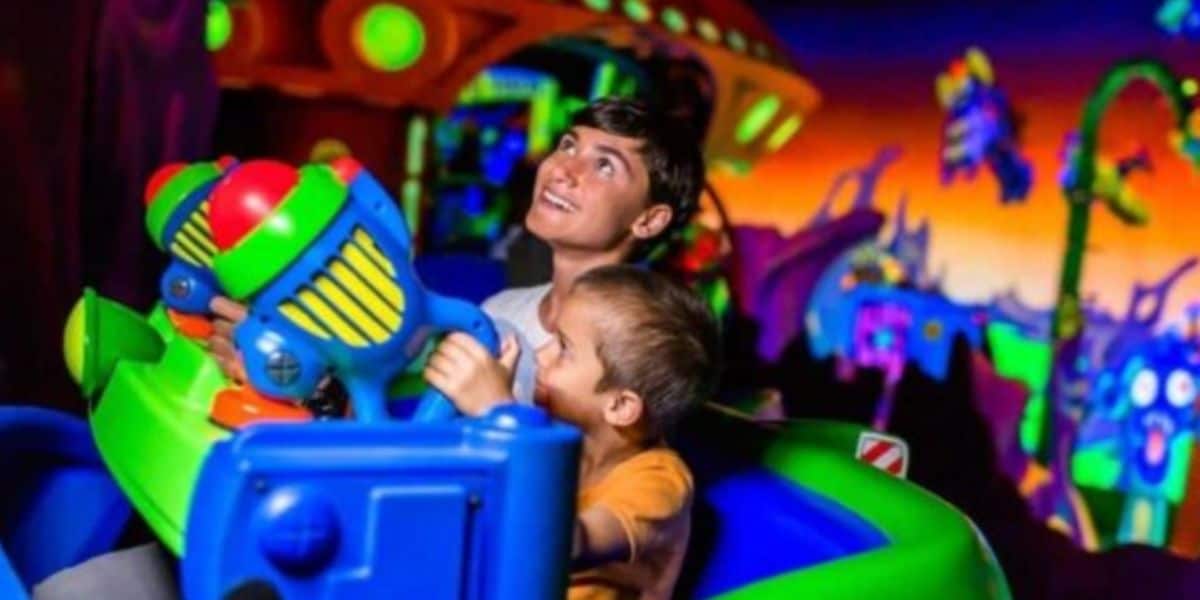
Baxter’s critique of the attraction is rooted in fundamental design philosophy:
- The Distraction Factor: He believes that “shooting gallery” attractions are fundamentally flawed because they distract the guest from the artistry of the ride. When a guest is hyper-focused on a laser pointer and a digital scoreboard, they stop looking at the sets, the lighting, and the character work.
- Thematic Erosion: Buzz Lightyear famously replaced Delta Dreamflight, an Omnimover that celebrated the wonder of travel and the “great big beautiful tomorrow.” Baxter feels that replacing a grand, optimistic narrative with a competitive video game was a step backward for Tomorrowland's identity.
For Baxter, Tomorrowland should be about the mystery and optimism of the future, not a distracting “shooter” that blinds the guest to the environment around them.
Splash Mountain and the “Zip-A-Dee” Spirit
No discussion with Tony Baxter in 2026 is complete without mentioning Splash Mountain. With Tiana’s Bayou Adventure now a permanent fixture in the parks, Baxter—who served as an advisor on the retheme—spoke about the transition with a mix of professional pride and deep nostalgia.

He addressed the ongoing fan passion for the original 1989 flume by focusing on its “emotional architecture.” Splash Mountain was designed to bring life to a quiet corner of the park with a sense of whimsy and musical joy that Baxter calls the “Zip-A-Dee spirit.” He acknowledged that while characters and IPs (Intellectual Properties) inevitably change, the core memory of that specific musical journey remains a pillar of the Disney experience. He encouraged the current generation of Imagineers to remember that the “soul” of a ride is what keeps a guest coming back for decades, not just a flashy new screen.
Conclusion: A Roadmap for the Future
Tony Baxter’s appearance at the Walt Disney Family Museum event wasn't just a critique; it was a call to action. As Disney embarks on massive “Blue Sky” expansions and new land developments in late 2026 and 2027, its philosophy serves as a guardian of the company’s creative legacy.
By advocating for a return to physical “place-making” and suggesting the removal of “distractive” attractions like Buzz Lightyear, Baxter is reminding Disney leadership that the magic isn't in a leaderboard—it’s in the heart.