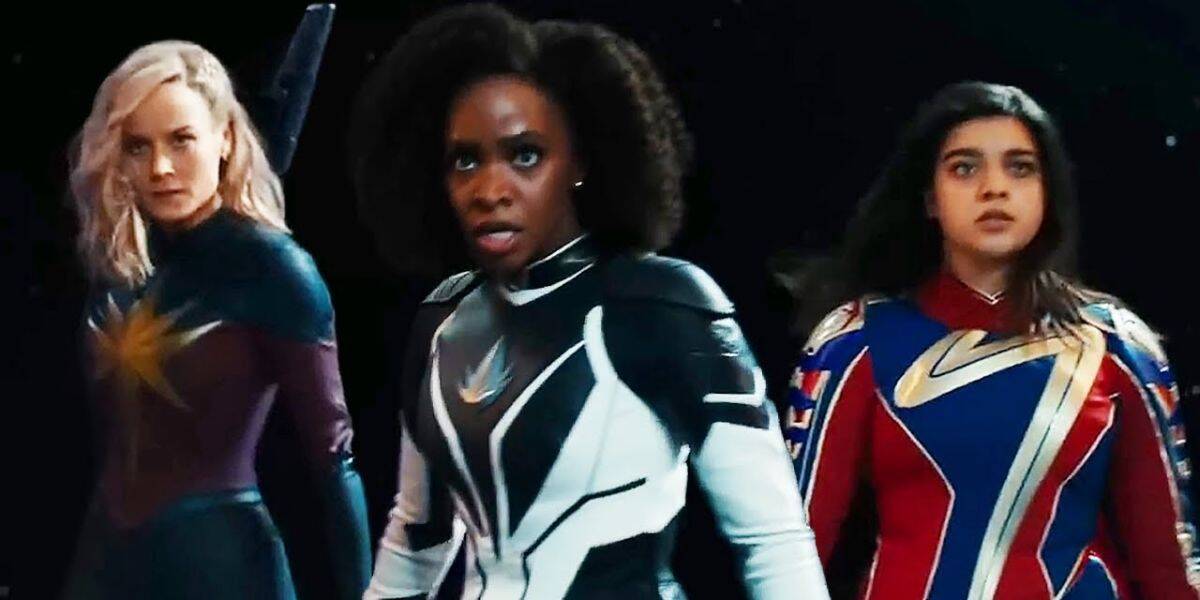
As Marvel Studios continues to reshape its cinematic roadmap, Avengers: Doomsday (2026) is emerging as a film that could either steady the franchise or send it into uncharted territory.
Recent speculation cast doubt on the project’s status, but new information suggests those concerns may have been premature. Not only is the film still moving forward, but early industry expectations are placing it among the most formidable box office players of 2026.
Questions began circulating after Avengers: Doomsday appeared to undergo subtle changes in Marvel’s release materials. For fans already tracking the studio’s evolving slate, the shift raised immediate concerns about possible delays or behind-the-scenes restructuring—especially with Dune: Part Three (2026) positioned as a major competitor.
However, updated reports indicate that the film has not been pushed back. Instead, Marvel has been adjusting its broader strategy, focusing on spacing out projects and refining its long-term storytelling approach. The shift reflects an effort to recalibrate after a period of mixed reception for some of its recent releases.

Within Marvel’s larger narrative, Avengers: Doomsday is expected to serve as a major turning point. The film is being developed as a large-scale crossover, bringing together multiple characters while advancing the overarching storyline that has been unfolding across several phases.
The stakes are heightened by ongoing discussions around audience fatigue with superhero films. While the MCU once dominated both critical and commercial conversations, recent entries have faced more varied responses. Doomsday is widely seen as an opportunity to reset that narrative.
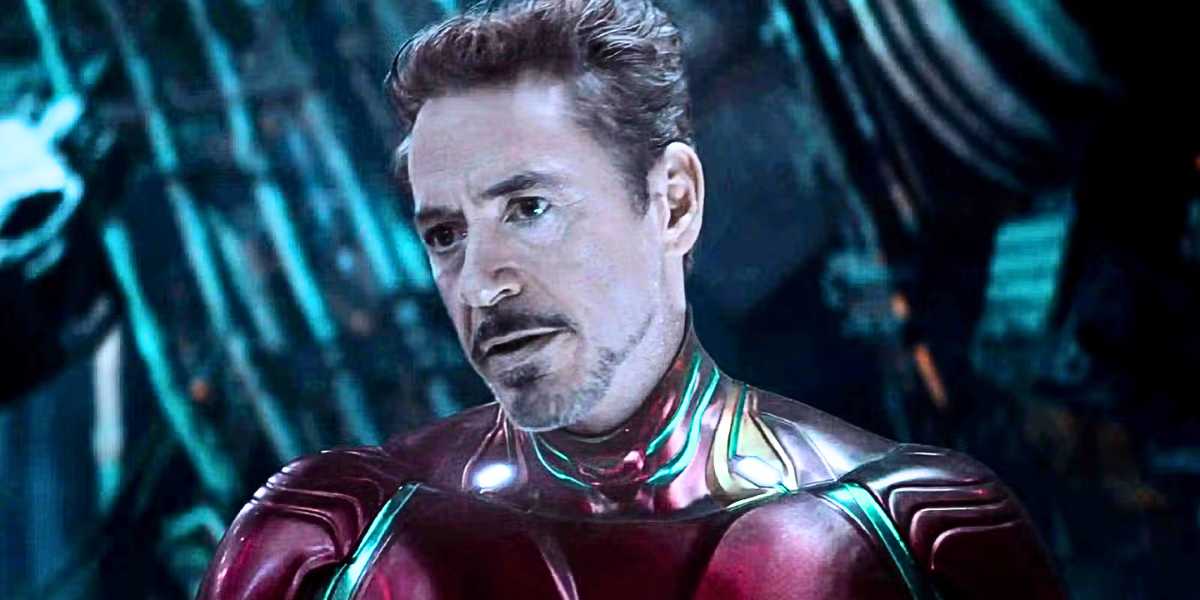
Adding to the intrigue is the return of Robert Downey Jr., not as Tony Stark but as Victor Von Doom—a casting choice that signals a significant shift in the franchise’s direction and has already generated considerable attention.

Even as debates about the MCU’s future continue, insiders appear confident in Doomsday’s commercial prospects. Reports suggest that studios across the industry are already viewing it as a likely frontrunner for the year’s top-grossing film.
That confidence is rooted in the enduring appeal of the Avengers brand. Past installments such as Avengers: Infinity War (2018) and Avengers: Endgame (2019) delivered record-breaking results, and the return of the Russo Brothers for Doomsday and Avengers: Secret Wars (2027) has strengthened expectations.
If those projections hold, the film could outperform its competition and reaffirm Marvel’s ability to deliver large-scale cinematic events that resonate globally.

At the same time, Avengers: Doomsday faces a significant hurdle: the increasing complexity of the MCU. With interconnected storylines spanning multiple films and Disney+ series, keeping up with the full narrative has become more demanding for casual audiences.
That dynamic could shape how the film is received. Entertainment insider Alex Perez offered a candid take on the potential audience reaction:
“General moviegoers are going to love the cameos and fan service to pop culture references, but are mainly going to be confused if they haven’t kept up with a lot of the characters in the movies,” Perez wrote on The Cosmic Circus. “Fans are going to be left with jaws on the floor, weeping, probably pissed at Marvel, citing ‘multiple character assassinations,’ only to say that they loved it after the initial shock.”
“Overall, the main question I see everyone asking is, ‘Uh… aren’t they supposed to be good guys?’” the reporter concluded.
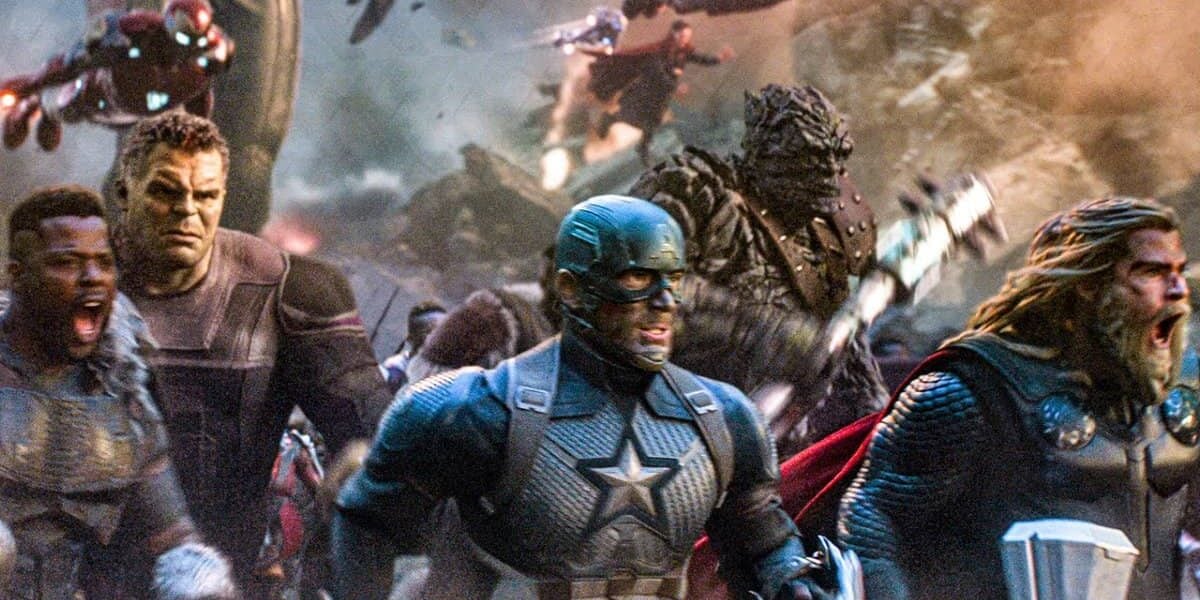
The remarks point to a film that may lean into unexpected narrative choices, potentially challenging the traditional hero archetype that has defined much of the MCU. If early insights are accurate, Doomsday may prioritize ambitious storytelling over safe, familiar beats. That could involve dramatic character shifts, emotional storylines, and moments designed to spark strong reactions.
Such an approach carries both opportunity and risk. While bold decisions can lead to memorable cinematic experiences, they can also divide audiences if they stray too far from established expectations.
Marvel has historically succeeded by balancing spectacle with character-driven storytelling. The key question is whether Doomsday can maintain that balance while pushing the franchise forward in meaningful ways. Beyond the film itself, Avengers: Doomsday sits at the center of Marvel’s evolving strategy. The studio is moving toward a more measured release schedule, with an emphasis on quality and narrative cohesion.
The film is expected to help shape the MCU’s future, potentially setting up new storylines and crossover events. As such, its success—or lack thereof—could influence the direction of the franchise for years to come. Initially intended to be the continuation of Kang's (Jonathan Majors) story, the original Avengers 5—Avengers: The Kang Dynasty–was replaced by Doomsday in 2024.
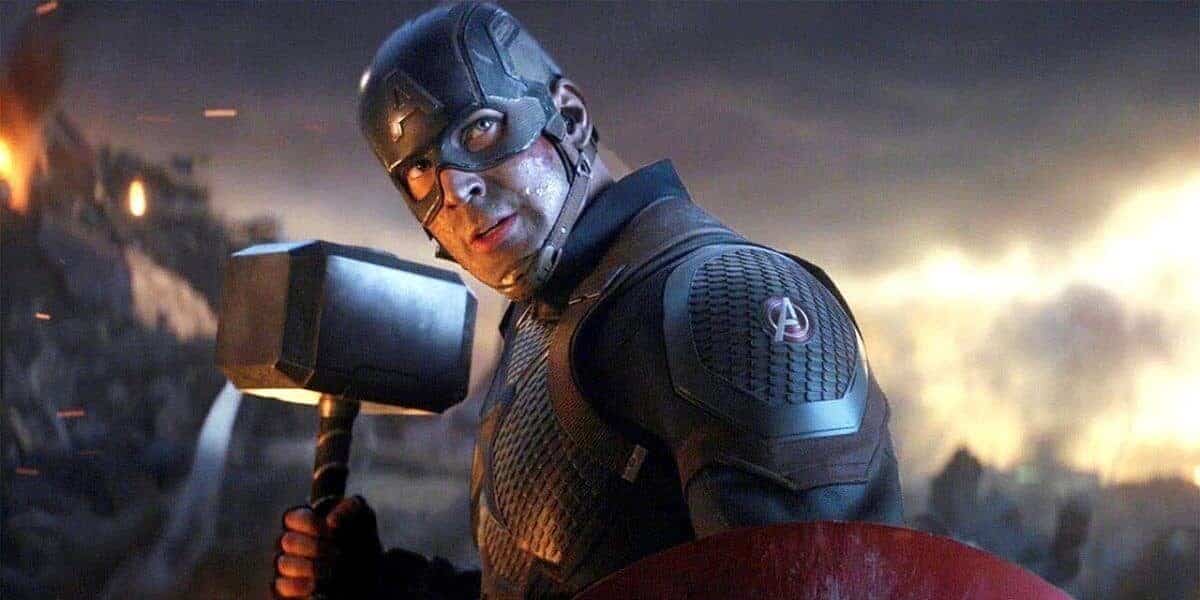
For now, Avengers: Doomsday remains a key part of Marvel’s upcoming slate, even as speculation continues to circulate. Industry projections suggest it could dominate the box office and become one of the year’s most talked-about releases.
Whether it ultimately delivers on that promise will depend on its ability to connect with both longtime fans and newcomers. Either way, it’s clear that when Doomsday arrives, it will be a major moment for the Marvel Cinematic Universe.
Are you looking forward to Avengers: Doomsday? Let us know in the comments down below!