Marvel Studios is preparing what studio leadership and its returning directors describe as a foundational reset for the Marvel Cinematic Universe, nearly 17 years after Iron Man (2008) established the franchise. The comments coincide with the studio's positioning of Avengers: Doomsday (2026) and Avengers: Secret Wars (2027) not as another installment in an ongoing crossover cycle, but as a deliberate course correction following two phases of uneven critical and commercial performance.

Context: A Franchise Under Strain
The recalibration follows a period of visible difficulty for the MCU. Captain America: Brave New World (2025), released as a marquee Phase Five theatrical title, underperformed at the box office, a result that came to represent broader concerns about the franchise's trajectory. Both Phase Four and Phase Five drew sustained criticism for insufficient narrative continuity across films, heavy reliance on Disney+ series to carry story weight, and an output strategy that prioritized volume over cohesion.
Bob Iger, then chief executive of The Walt Disney Company, had previously acknowledged the issue directly, stating that Marvel had oversaturated its own release slate in ways that diminished audience engagement. That admission from Disney's top executive lent institutional weight to criticism that had circulated among audiences for several years.

Assessing Phase Four and Phase Five
Phase Four launched during the COVID-19 pandemic, a circumstance that shaped the era's early rollout. Notable successes included Spider-Man: No Way Home (2021), which became one of the highest-grossing films in franchise history, and the debut of Disney+ original series beginning with WandaVision. Despite these results, audience engagement declined as the volume of releases made it increasingly difficult to track material relevant to the franchise's central narrative.
Phase Five brought additional theatrical setbacks, including Ant-Man and the Wasp: Quantumania (2023) and The Marvels (2023), both of which underperformed with audiences. Deadpool & Wolverine (2024) emerged as a clear commercial success, while Thunderbolts* (2025) exceeded expectations.
Phase Six and the Return of Robert Downey Jr.
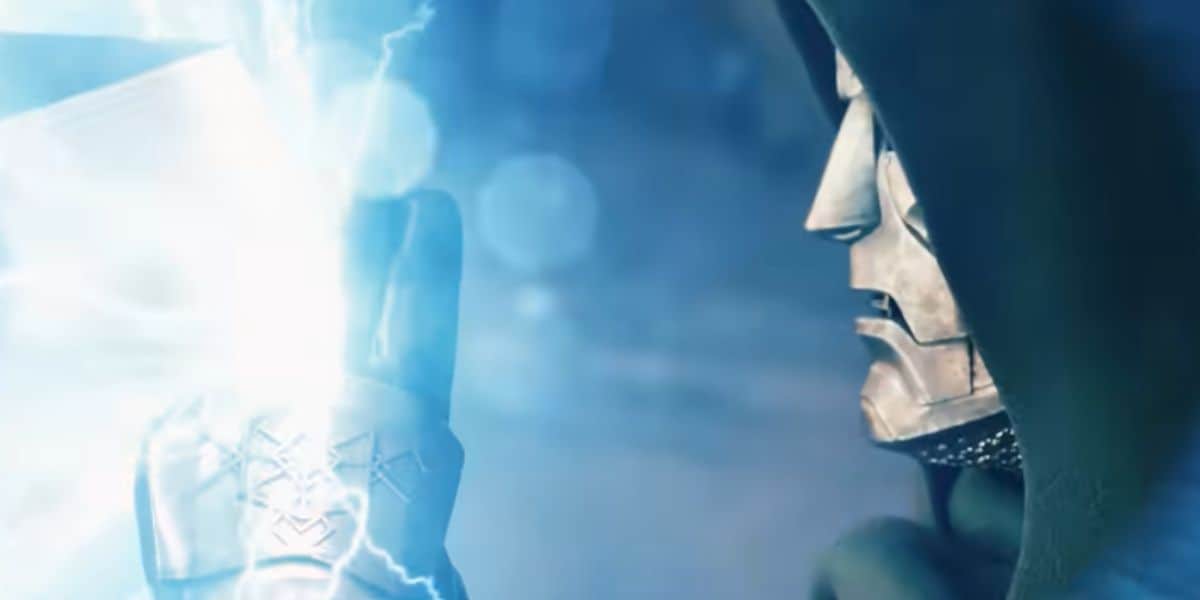
The Fantastic Four: First Steps (2025) marked the start of Phase Six, though Avengers: Doomsday represents the more significant inflection point. The film brings Robert Downey Jr. (Tony Stark/Iron Man) back into the franchise in the role of Victor von Doom/Doctor Doom, rather than reprising his original character. The Russo Brothers, who previously directed Avengers: Infinity War (2018) and Avengers: Endgame (2019), are returning to direct.
In an interview with Omelete, the Russo Brothers characterized the upcoming films as distinct from the narrative they closed out with Avengers: Endgame.
“It's a beginning,” the Russo Brothers told Omelete, drawing a clear distinction between the new Avengers films and the sense of closure delivered by Avengers: Endgame.
The directors have also stated that their decision to return was contingent on identifying a story they considered worth telling, a point that speaks to broader industry scrutiny of legacy filmmakers returning to established franchises.
Feige Outlines the Studio's Long-Term Strategy
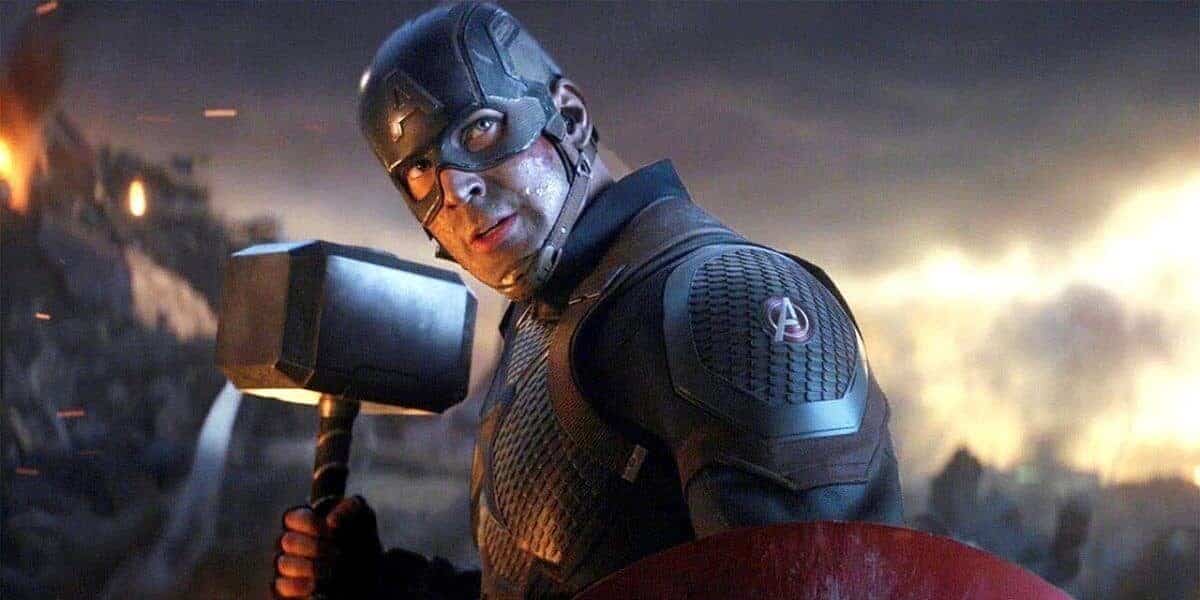
Marvel Studios president Kevin Feige has provided the clearest articulation yet of the studio's intent for Avengers: Secret Wars, describing it as both a resolution and a foundation. Speaking to the Chinese press, as reported by Comic Book Movie, Feige outlined a dual objective for the next two Avengers films.
“We want to do two things,” Feige told reporters. “First, to bring some storylines to a close, those that started long before Iron Man, including the original X-Men characters. Second, to simultaneously set the stage for the future.”
Feige further characterized Secret Wars as the beginning of a new phase for the franchise, distinct from the Multiverse-driven structure of recent years.
“Avengers: Endgame was truly an end, and since then, we've tried and experimented with many new things. But Avengers: Secret Wars is a beginning,” he said. “It will establish a streamlined, simplified, single universe that we can keep up with. Some things will be familiar, but many, many things will be entirely new.”
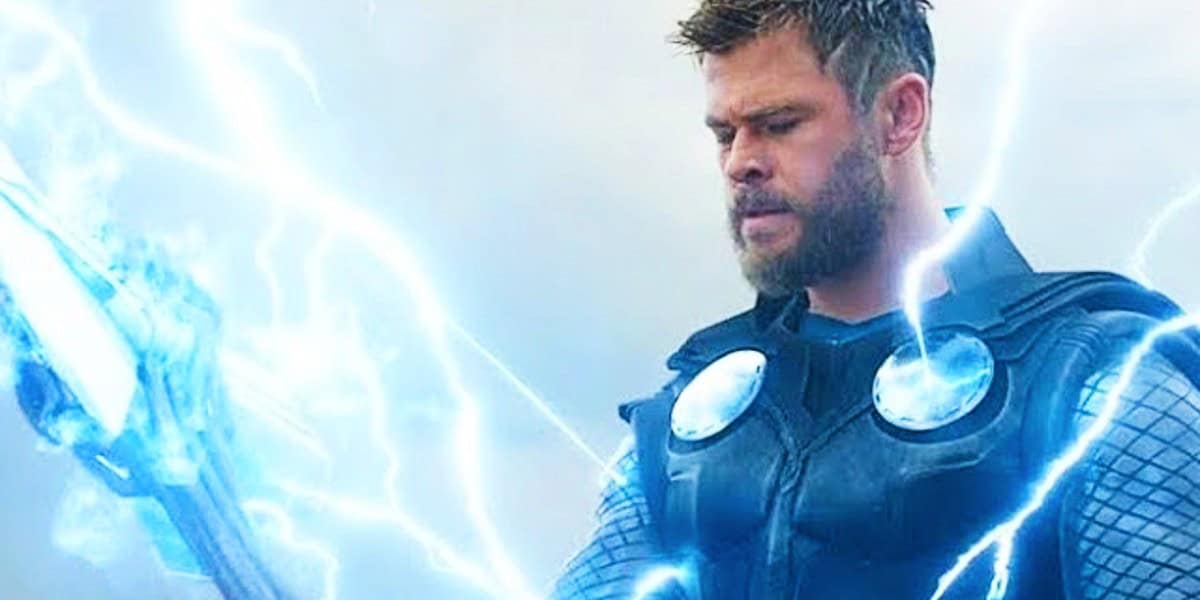
“Going back to what we mentioned earlier about attracting young people and connecting with a new generation of audiences, that's exactly what the next universe will be about.”
Notwithstanding ongoing industry discussion of superhero-genre fatigue, Feige indicated that Marvel Studios has no plans to reduce output, citing long-range planning already underway.
“We were just in a Marvel Studios meeting room, planning movies all the way up to 2042,” Feige said. “Whether we can make it to 2042? Who knows? Will it be those movies? Who knows? But this is how we approach and plan the vast amount of potential stories in the comics.”

A Parallel Reset for Spider-Man
The studio's “new beginning” framing extends to its Spider-Man properties. Tom Holland (Peter Parker/Spider-Man) is set to open a new chapter for the character in his next solo film, directed by Destin Daniel Cretton, following the narrative conclusion delivered in Spider-Man: No Way Home. That direction is consistent with prior remarks from Jon Watts, director of Holland's original trilogy, who has described those three films as a single, now-completed origin arc.
Taken together, Marvel's positioning suggests that Phase Six is intended to function not as a continuation of the post-Endgame era, but as the launch point for the franchise's next narrative structure — a strategic pivot the studio has signaled will define its output for years to come.
What are your feelings towards how the MCU has been handled in recent years? Let us know in the comments down below!